


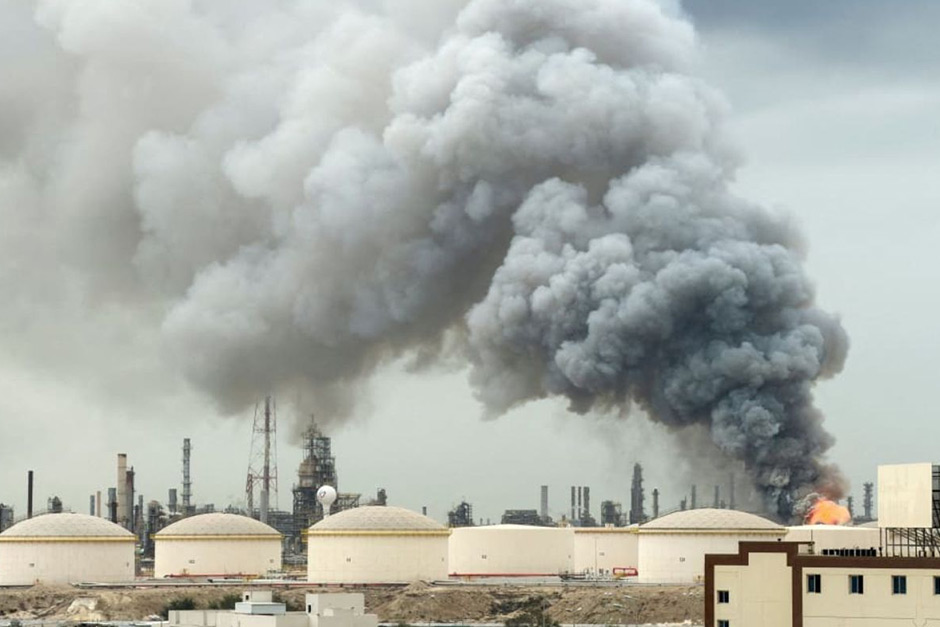
The global energy market just sent another jolt through our collective consciousness. News of strikes disrupting a vital Iranian gas field has once again sent oil prices soaring, reminding us just how fragile and interconnected our world truly is. It’s not just about distant geopolitical maneuvering; it’s about the ripple effect that reaches every corner of our lives, from the price at the pump to the cost of our daily bread.
The Domino Effect: From Field to Fuel Tank
When an incident like this occurs in a major energy-producing region, the market doesn’t just shrug it off. Even if the immediate target is a gas field, the implications for oil prices are profound. Iran is a significant player in the global energy landscape, and any instability that compromises its ability to produce or export signals a broader risk to global supply. Traders and investors, driven by the instinct to protect against future shortages and price hikes, react swiftly.
The immediate surge we’re seeing isn’t solely about lost output from a single field. It’s about market sentiment, the geopolitical risk premium that gets added to every barrel when tensions escalate in a vital region. Supply chains are already stretched, and the energy market is acutely sensitive to anything that suggests further tightening. Futures contracts surge, and that upward trajectory quickly translates into higher wholesale prices, which then trickle down to consumers.
As one energy analyst aptly put it, “When a major player like Iran experiences such disruption, the market doesn’t just see a gas field offline; it sees an increased risk to global oil supply, prompting an immediate surge in speculative buying and a palpable geopolitical risk premium being added to every barrel. It’s a knee-jerk reaction, yes, but one rooted in very real concerns about energy security.”
Beyond the Barrel: Ripple Effects on Our Wallets
While the headlines focus on the price per barrel, the real story unfolds in our daily lives. Higher oil prices are a direct pathway to increased inflation. Consider the cost of transportation: virtually every good we consume, from food to electronics, relies on fuel to reach its destination. When gasoline and diesel prices climb, so do the operating costs for businesses, from trucking companies to local grocers.
This isn’t a minor inconvenience; it’s a significant economic headwind. Consumers face higher prices at the pump, squeezing household budgets that are already under pressure. Businesses, grappling with elevated input costs, may be forced to pass those costs onto customers, further fueling inflationary spirals, or absorb them, potentially impacting profits and investment. This can lead to reduced consumer spending on non-essentials, slowing economic growth, and even contributing to fears of recession.
The ripple effect doesn’t stop there. Energy is fundamental to manufacturing, agriculture, and nearly every sector of the economy. A sustained period of high energy costs can stifle innovation, deter investment, and ultimately affect job markets. It’s a stark reminder that events thousands of miles away can directly influence the economic stability and quality of life for communities worldwide.
The Ever-Present Vulnerability
These latest events underscore a profound global vulnerability: our deep reliance on stable and affordable energy supplies. As geopolitical tensions simmer and vital energy infrastructure becomes targets, the price we all pay for our interconnectedness becomes painfully clear. The jumps in oil prices are more than just numbers on a screen; they are a barometer of global stability and a potent reminder of how quickly distant conflicts can translate into tangible economic challenges right at our doorstep. Until we find more diverse and resilient energy solutions, the world will continue to hold its breath every time a key energy hub is disrupted.

