


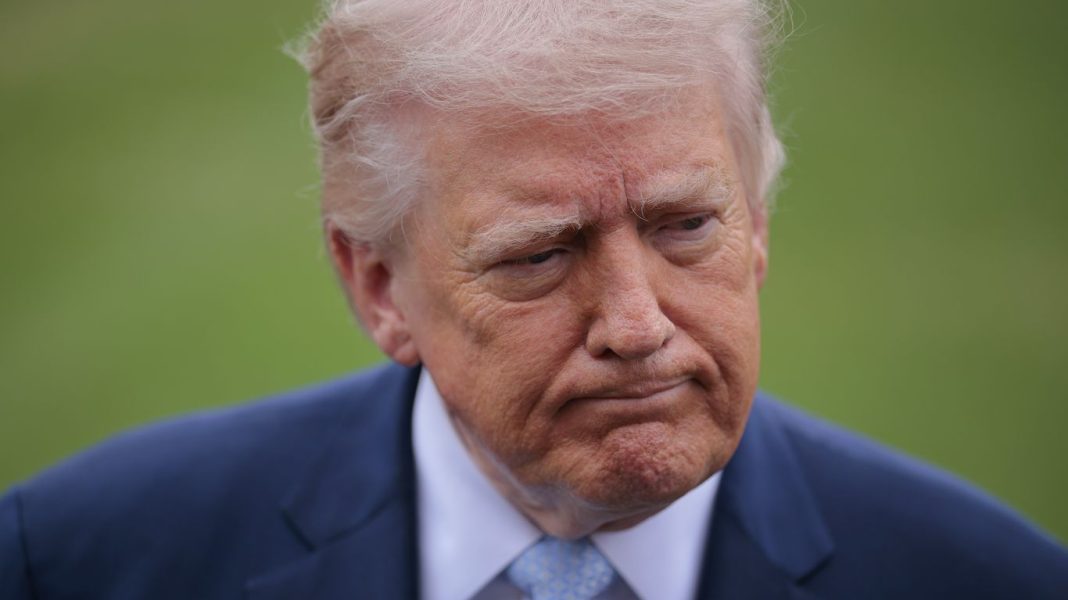
The global oil market is a complex beast, often dancing to the tune of geopolitical rhythms as much as it does to supply and demand fundamentals. Lately, that dance has been less of a waltz and more of a frenetic jig, with prices jumping around like nervous energy. The recent rhetoric surrounding the Strait of Hormuz, specifically pointed remarks from former President Trump, has once again injected a hefty dose of volatility into the veins of the black gold economy, leaving everyone from investors to everyday commuters wondering what comes next.
The Geopolitical Chessboard and Black Gold
At the heart of this latest tremor lies the Strait of Hormuz, a narrow maritime choke point through which a significant portion of the world’s oil supply traverses daily. It’s a geographical reality that makes the region incredibly sensitive to political posturing. When a figure like Trump, known for his direct and often provocative statements, makes pronouncements about the Strait, even if rhetorical, the market listens – and often reacts with a jolt.
The threat, real or perceived, of disruption in such a crucial waterway instantly triggers a “risk premium” on oil prices. This isn’t necessarily about actual barrels being held up; it’s about the possibility of it. Traders and investors, driven by the fear of future scarcity, begin pricing in that risk. The market remembers historical flare-ups and understands the immense implications of any blockade or conflict in the area. It’s a classic case of perception shaping reality, at least in the short term, as algorithms and human sentiment alike factor in the elevated geopolitical tension.
Beyond the Headlines: What This Means for Your Wallet
For most of us, the jumping oil prices aren’t just abstract numbers on a screen; they translate directly to tangible impacts on our daily lives. The ripple effect starts almost immediately. Higher crude prices mean higher costs at the gas pump. This hits household budgets, but the impact doesn’t stop there.
Consider the myriad industries that rely on oil for transportation, manufacturing, and raw materials. Airlines see their fuel costs surge, potentially leading to higher ticket prices. Goods become more expensive to transport, affecting supply chains and consumer prices for everything from groceries to electronics. This inflationary pressure can squeeze businesses and consumers alike, making economic planning incredibly difficult. As one analyst recently put it, “Every time the rhetoric heats up, we see the market react, adding a layer of unpredictable risk that businesses and consumers ultimately pay for.” The uncertainty itself can deter investment and slow economic growth, creating a domino effect that extends far beyond the oil fields.
Navigating the Uncertain Waters Ahead
So, what does the future hold? The oil market’s sensitivity to geopolitical events, especially those involving critical transit points like the Strait of Hormuz, means continued volatility is highly probable. While other factors like global demand, OPEC+ production decisions, and the rise of alternative energy sources play significant roles, the specter of regional instability remains a powerful market driver.
Market participants will be closely watching for any de-escalation of rhetoric, but also for concrete policy signals from key global players. The ability of major oil producers to increase supply, or strategic petroleum reserves to be tapped, could cushion the blow of future price spikes. However, until a more stable geopolitical environment emerges, the price of oil will likely continue its nervous dance, reminding us all of the intricate connection between global politics and our everyday economics.
It’s a testament to how quickly a shift in political discourse can translate into market unrest, demonstrating that in the world of oil, a single powerful voice can indeed move mountains – or at least, the price of a barrel.

