


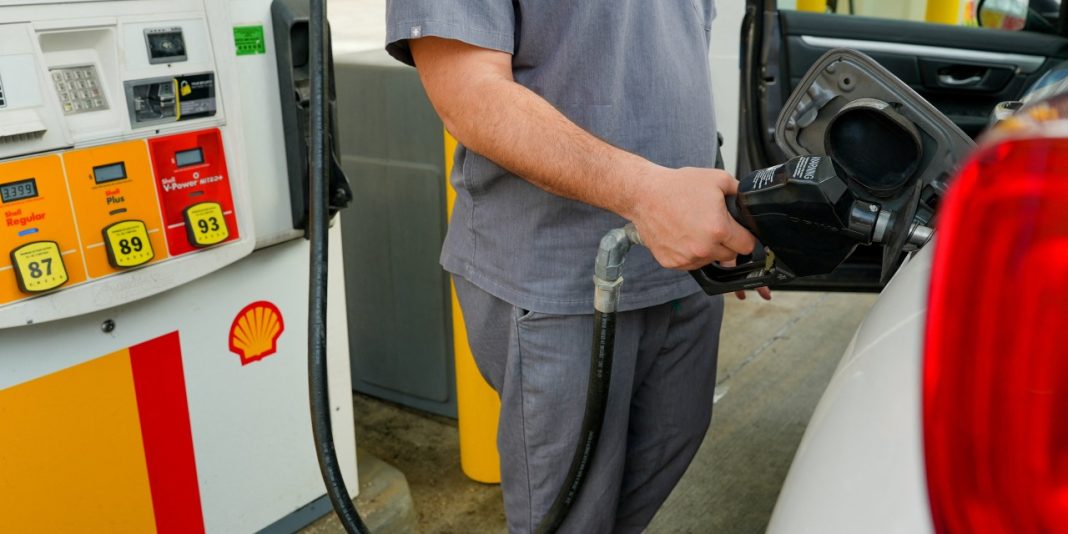
There’s a familiar knot tightening in our stomachs every time we pull up to the gas pump, isn’t there? That moment of dread as the numbers tick higher and higher, often feeling like a personal affront to our hard-earned cash. But what if that familiar sting is actually a harbinger of something much larger, a signal that oil prices are creeping towards a threshold that could inflict significant pain on the broader economy?
The Invisible Hand, Heavy and Oily
When crude oil surges, it’s not just about the cost of filling up your tank. Think of it as an invisible, pervasive tax on nearly everything we consume. From the food on our tables to the clothes on our backs, almost every good and service relies on transportation powered by fossil fuels. Farmers pay more to run their tractors and transport their produce. Manufacturers face higher costs to ship raw materials and finished products. These elevated expenses invariably trickle down the supply chain, eventually landing on the consumer’s lap in the form of higher prices. We call this inflation, and it’s particularly insidious when driven by energy costs, as it impacts essential goods we can’t easily do without.
Businesses, too, feel the brunt. Small businesses, often operating on tighter margins, find their profits squeezed. Larger corporations might absorb some costs initially, but persistent high energy prices will force them to make difficult decisions: raise prices, cut back on investments, or even scale down operations. This dynamic can stifle growth and lead to a general sense of economic apprehension, making everyone more cautious with their spending and investment decisions.
Squeezed Budgets and Shifting Priorities
For individuals and families, the impact of soaring oil prices is immediate and tangible. Every extra dollar spent at the pump or on inflated utility bills is a dollar that can’t be used elsewhere. This leads to a tightening of discretionary spending. That weekend getaway? Postponed. Dining out? Less frequent. A new gadget? Held off for now. This shift in consumer behavior directly impacts a vast array of industries, from hospitality and retail to entertainment and tourism.
Consider the cumulative effect: when millions of households start tightening their belts, the ripple effect throughout the economy can be substantial. Businesses that rely on consumer spending see revenues dip, potentially leading to job freezes or even layoffs. “My neighbor, who runs a small bakery, told me just last week, ‘Every dollar extra I spend on delivery fuel means one less dollar I can invest in new equipment or even pay my staff a little more. It’s a constant squeeze, and customers aren’t exactly thrilled about my bread getting pricier either!'” This sentiment encapsulates the challenge faced by countless enterprises and individuals alike – a direct hit to both purchasing power and the ability to grow.
Conclusion: Navigating the High-Price Headwind
The current trajectory of oil prices is more than just a passing concern; it’s a potent economic headwind that could slow growth, fuel inflation, and erode consumer confidence. Understanding these interconnected pressures is crucial. While the global energy market is complex and influenced by numerous factors, recognizing the potential impact on our daily lives and the broader economy allows us to better prepare and adapt. It’s a reminder that beneath the calm surface of our daily routines, powerful economic currents are always at play, and sometimes, those currents can make even the simplest journey feel like an uphill battle.
We are entering a period where vigilance and adaptability will be key, for both policymakers and everyday citizens, as we navigate the challenging waters of high oil prices.

