


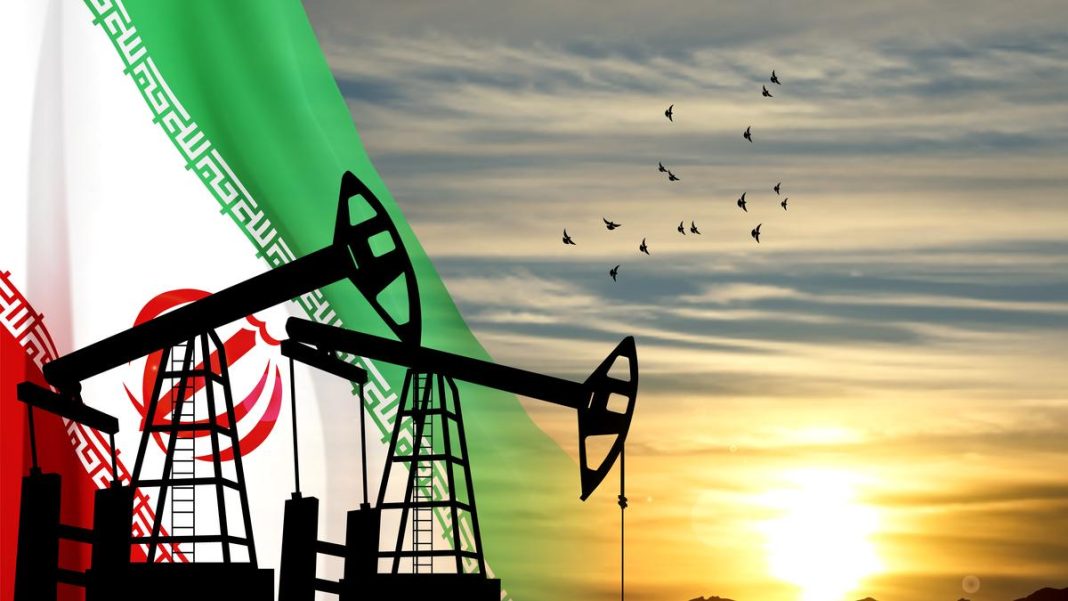
New Delhi recently saw the Ministry of Petroleum and Natural Gas confirm its continued procurement of crude oil from Iran, simultaneously and emphatically rejecting speculative reports that tankers carrying Iranian crude were diverted due to payment-related issues. This official clarification comes amidst ongoing global scrutiny of crude oil trade routes and payment mechanisms, particularly concerning nations under international sanctions. For India, a major energy consumer, the confirmation underscores its commitment to diversifying energy sources while navigating complex geopolitical landscapes.
India’s Enduring Energy Ties with Iran
India has historically maintained strong energy ties with Iran, a relationship rooted in geographical proximity, the suitable quality of Iranian crude for Indian refineries, and often competitive pricing. Despite various geopolitical pressures and international sanctions imposed on Iran, India has consistently sought to balance its energy security needs with its foreign policy objectives. The Ministry’s recent statement reaffirms that these purchases are ongoing and conducted within established frameworks.
For a nation whose economic growth is intrinsically linked to its energy consumption, securing a stable and diversified supply of crude oil is paramount. Iranian crude, known for its heavy and sour characteristics, is a valuable component in the feedstock mix for several Indian refineries, which are configured to process a variety of crude grades. The ability to source crude from multiple regions, including the Middle East, Russia, and the Americas, allows India to hedge against supply disruptions and price volatility, thereby bolstering its energy resilience.
The Ministry did not elaborate on the specific payment mechanisms currently in use for Iranian crude, but it is widely understood that India has previously explored various rupee-based payment systems or barter trade arrangements to circumvent international banking restrictions. The confirmation of ongoing purchases suggests that effective and approved channels are in place, enabling smooth transactions without contravening international compliance norms.
Debunking the Diversion Narrative
Perhaps the most critical aspect of the Ministry’s recent announcement was its outright rejection of claims suggesting tanker diversions occurred due to payment defaults or issues. Such allegations, often surfacing in market intelligence reports or from unnamed sources, can create unnecessary market jitters and misrepresent a nation’s trade practices.
The Ministry categorically stated that any instances of tankers altering their course were purely operational decisions, influenced by factors unrelated to payment. These factors could include, but are not limited to, port congestion, changes in refining schedules, adverse weather conditions, vessel maintenance, or strategic adjustments made by shipping companies or buyers for logistical efficiency. It asserted that all financial obligations related to Iranian crude purchases are being met punctually and through legitimate channels.
A senior official from the Ministry of Petroleum and Natural Gas, speaking on condition of anonymity due to the sensitivity of trade specifics, reiterated this stance: “Our energy procurement strategy is robust and conducted through established channels, ensuring timely payments and smooth logistical operations. Any claims of payment-related diversions are baseless and misrepresent the operational realities of global crude shipping.” This quote highlights the government’s confidence in its procurement and payment systems, aiming to dispel any doubts about India’s integrity as a trade partner.
Navigating Global Geopolitics and Energy Security
India’s strategy concerning Iranian oil is a delicate balancing act. While the nation prioritizes its energy security and the economic well-being of its citizens, it also maintains robust diplomatic relations with global powers, including those that advocate for stricter sanctions against Iran. The government’s transparent confirmation of purchases, coupled with its firm rebuttal of payment-related issues, reflects this nuanced approach.
By publicly clarifying its position, India aims to ensure market stability and prevent misinformation from influencing global oil markets or its bilateral relationships. The incident underscores the complexities faced by major energy importers in a volatile geopolitical environment, where energy decisions are not merely economic but also carry significant strategic weight.
In conclusion, the Indian Oil Ministry’s recent statements provide much-needed clarity on its Iranian crude procurement. By confirming ongoing purchases and firmly rejecting claims of payment-led tanker diversions, India reinforces its commitment to securing its energy needs through established and compliant channels. This proactive communication serves to reassure domestic and international stakeholders about India’s transparent and responsible approach to its energy trade, emphasizing operational realities over speculative narratives in the intricate world of global crude oil logistics.

