


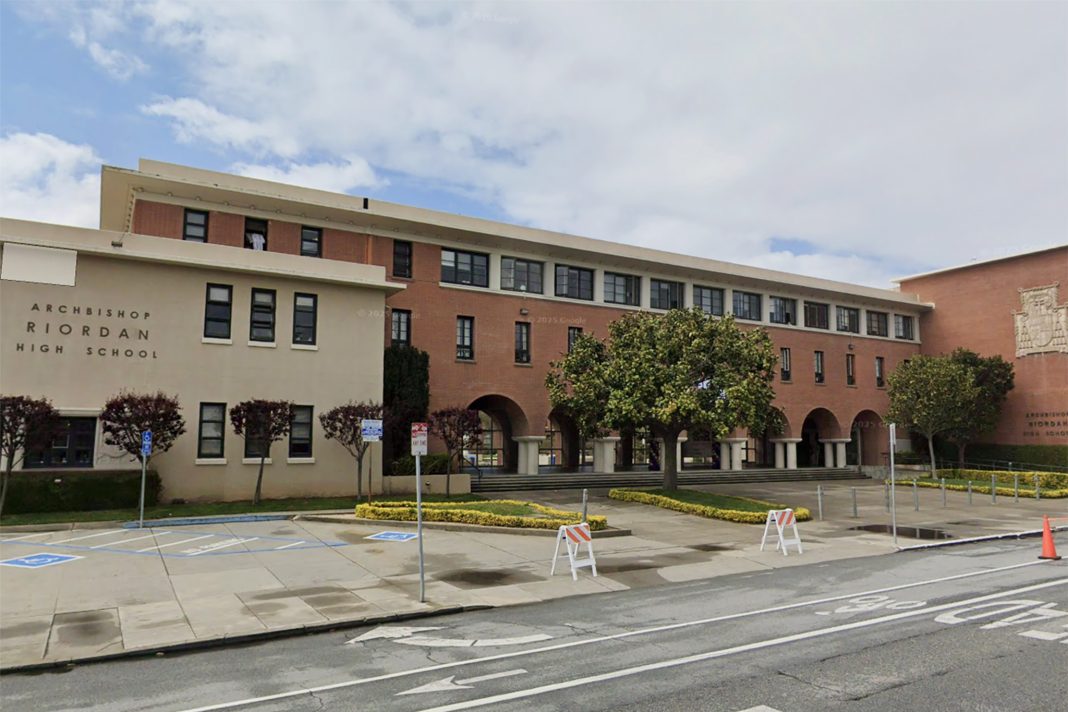
The hum of daily life in San Francisco’s vibrant high schools is usually punctuated by the chatter of students, the ringing of bells, and the occasional spirited debate. But recently, a different kind of buzz has entered the conversation – a sobering one. Officials are now issuing warnings of a “moderate” risk following a confirmed TB outbreak at one of the city’s beloved high schools. It’s a phrase that can send a shiver down any parent or student’s spine, yet it also carries a nuanced message that deserves our careful attention.
The Unseen Invader: Understanding TB’s Whisper
Tuberculosis, often shortened to TB, might sound like a relic of the past, a disease confined to history books. Yet, it persists, a quiet, tenacious bacterial infection primarily affecting the lungs. The recent news from an SF high school serves as a stark reminder of its continued presence in our modern world. What makes TB particularly tricky in a close-knit environment like a school is its method of transmission: tiny airborne droplets expelled when someone with active TB coughs, sneezes, or even speaks. And here’s the kicker – many people can carry the latent form of TB, where the bacteria are present but not active, for years without ever knowing it. It’s this silent phase, coupled with the potential for progression to active disease, that makes tracing and containment a delicate dance. When a diagnosis surfaces in a school, it isn’t just about one individual; it’s about potentially countless interactions, shared spaces, and the invisible pathways the disease might have taken. The insidious nature of TB means vigilance is key, especially in communities where close contact is part of daily life.
Decoding ‘Moderate Risk’: Vigilance, Not Panic
The term “moderate risk” is crucial here, and understanding it is key to navigating the current situation without succumbing to unnecessary fear. It’s not an alarm bell for widespread panic, but rather a call for heightened awareness and proactive measures. Public health officials use such language to convey a serious situation that requires diligent follow-up, but one that is also manageable with existing protocols. In essence, it means there’s a recognized potential for further transmission if steps aren’t taken, but those steps are well-defined and effective. This typically involves extensive contact tracing – identifying everyone who might have been in close, prolonged contact with the infected individual – and then offering testing, primarily skin tests or blood tests, to detect exposure. Those who test positive for latent TB are often offered preventative treatment to stop the disease from becoming active. “It’s about striking a balance,” explains Dr. Anya Sharma, a simulated public health expert. “We want to inform the community, empower them with knowledge, and ensure everyone who needs testing gets it, without creating an environment of fear that could hinder cooperation. Our goal is always containment and care.” The school administration, in conjunction with health authorities, is likely implementing rigorous protocols for communication, sanitation, and supporting affected students and staff, demonstrating a coordinated effort to safeguard everyone.
Ultimately, this situation at an SF high school is a vivid illustration of how public health isn’t a distant concept, but an intricate part of our daily lives and community well-being. The official warning of “moderate risk” is a testament to the ongoing vigilance required to protect our collective health. It underscores the importance of trusting public health guidance, participating in screening efforts when advised, and maintaining open lines of communication within our communities. While the news can feel unsettling, it also highlights the strength of our public health infrastructure and the commitment to keeping our students, educators, and families safe. By staying informed and cooperating, we ensure that the high school community, and indeed the entire city, can move forward with confidence and resilience, turning a moment of concern into a testament to collective care.

