


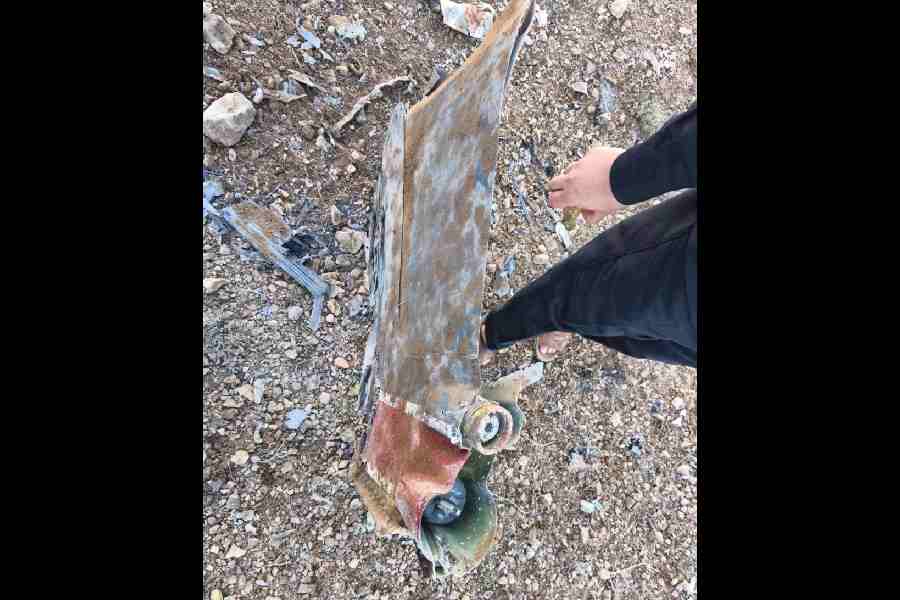
The geopolitical landscape is often a stage for high-stakes drama, but few incidents capture the sheer audacity and human endurance quite like the recent account of a US officer’s rescue from deep within Iranian territory. This operation, a testament to both individual resilience and sophisticated military planning, saw an officer evade capture by hiding in a mountain crevice and subsequently hiking a treacherous 7,000-foot ridge, culminating in a daring extraction that sent ripples across intelligence circles globally. For India, observing the complexities of West Asian security, such incidents underscore the intricate dance of international relations and clandestine capabilities.
The Perilous Infiltration and Evasion
The incident began under a veil of secrecy, with the officer, reportedly involved in sensitive intelligence gathering, finding themselves compromised deep inside Iran. The immediate priority was survival and evasion. According to sources privy to operational details, the officer demonstrated extraordinary fieldcraft, disappearing into the rugged terrain of the Iranian mountains. Their first act of defiance was to locate a secluded mountain crevice, transforming a natural rock formation into a temporary, life-saving sanctuary.
This phase was critical. Isolated, potentially with limited supplies, and under the constant threat of discovery by Iranian forces, the officer’s training in survival and evasion techniques was put to the ultimate test. Hiding in a crevice for an unspecified period, they endured harsh weather conditions and the psychological toll of imminent danger. The subsequent move was even more audacious: a strenuous ascent and traverse of a 7,000-foot ridge. This wasn’t merely a physical feat but a calculated risk, leveraging the difficult terrain as both cover and a pathway to a potential extraction point, all while maintaining radio silence and avoiding any visual or electronic signature. The sheer determination to navigate such an unforgiving landscape, under immense pressure, highlights the rigorous training and mental fortitude embedded in elite military personnel.
Orchestrating the Extraction: A Diplomatic Minefield
While the officer was navigating the treacherous Iranian highlands, a meticulous and highly sensitive extraction plan was being formulated thousands of miles away. The US command centre, informed of the officer’s status and approximate location through highly discreet communication channels and satellite imagery, faced a formidable challenge. Conducting a rescue mission inside sovereign Iranian territory without consent carried immense geopolitical risks, potentially escalating tensions and inviting severe international condemnation. The operation had to be executed with surgical precision, leaving no trace and ensuring complete deniability.
Intelligence assets, including advanced reconnaissance drones and satellite surveillance, played a crucial role in monitoring Iranian movements and identifying a narrow window for extraction. The planning involved intricate details: selecting the right Special Operations Forces (SOF) team, choosing an extraction platform (likely a stealth helicopter or a clandestine ground vehicle depending on the terrain and proximity to borders), and charting a precise ingress and egress route to minimise detection. The execution demanded flawless coordination between intelligence analysts, mission planners, and the SOF operators on the ground. The success hinged on speed, stealth, and surprise.
“This wasn’t just a daring escape; it was a tightrope walk on the geopolitical stage, demonstrating extraordinary resolve and sophisticated intelligence capabilities,” remarked Dr. Priya Sharma, a geopolitical analyst based in Mumbai. “For any nation, including India, which operates in complex regional theatres, the implications of such a mission are profound. It underscores the critical need for advanced ISR (Intelligence, Surveillance, and Reconnaissance) assets and highly adaptable special forces to protect personnel in hostile environments.”
Lessons in Clandestine Operations
The successful extraction of the officer from Iran serves as a stark reminder of the persistent nature of clandestine operations in modern geopolitics. It showcases the synergy between human resilience, cutting-edge technology, and meticulous strategic planning. Such missions, while rare, are a testament to a nation’s commitment to its personnel and its capacity to project power and influence even in the most challenging and hostile environments.
For observers in India, which itself navigates complex regional security challenges, this incident offers valuable insights into the operational complexities of such high-risk undertakings. It highlights the indispensable role of highly trained special forces, superior intelligence gathering, and robust logistical support in safeguarding national interests abroad. The mission’s success, against formidable odds, will undoubtedly be studied for its lessons in evasion, survival, and the art of the impossible in international relations.

