


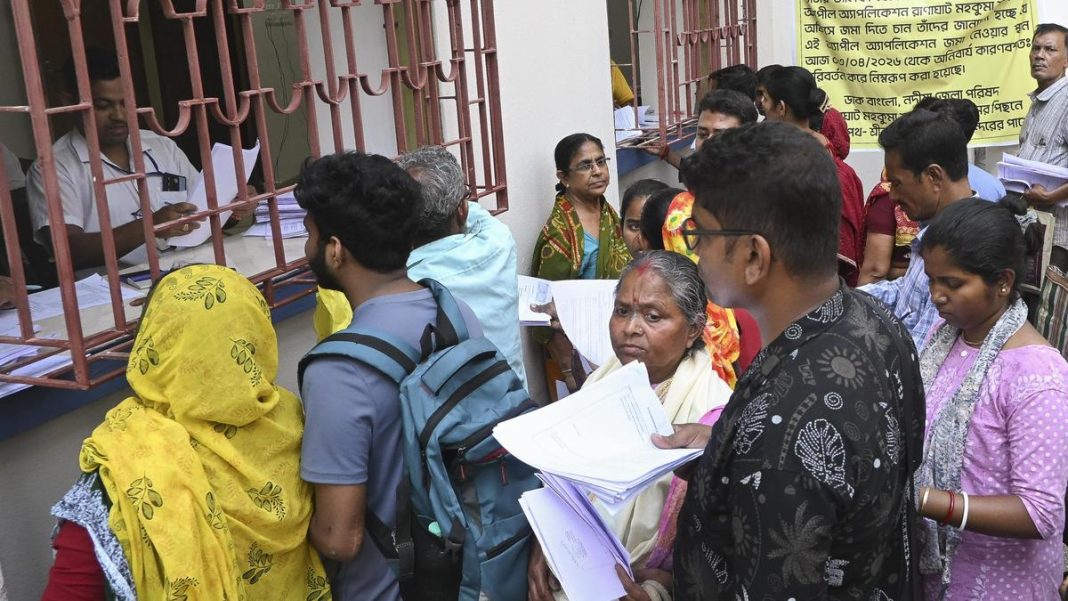
The integrity of electoral rolls forms the bedrock of any democratic process. In West Bengal, a recent comprehensive Summary Revision of Electoral Rolls (SIR) has brought to light significant exclusions, sparking discussions across the political and social spectrum. The exercise, aimed at purifying voter lists, has resulted in the exclusion of a staggering 90 lakh voters (9 million). A detailed analysis of this substantial number reveals a specific demographic breakdown: approximately 63% of the excluded voters are from the Hindu community, while 34% belong to the Muslim community.
Understanding West Bengal’s Electoral Roll Revision
The Summary Revision of Electoral Rolls is a routine, yet crucial, exercise undertaken by the Election Commission of India (ECI) nationwide. Its primary objective is to update voter lists by adding new eligible voters, deleting deceased individuals, removing duplicate entries, and correcting any errors. In West Bengal, the recent SIR process involved meticulous verification at booth levels, leading to the identification of 90 lakh individuals whose names were subsequently removed from the rolls.
Reasons for exclusion can vary widely. Common grounds include the death of a voter, relocation outside the constituency, multiple registrations, or failure to respond to verification notices. While the process is designed to ensure accurate and clean electoral rolls, the sheer scale of deletions in West Bengal has drawn considerable attention. Election officials typically emphasize that such revisions are vital for preventing electoral malpractices and ensuring that only eligible citizens cast their votes, thereby upholding the fairness of the democratic exercise.
The Demographic Split: Hindus and Muslims Affected
The most striking aspect of this revision in West Bengal is the demographic composition of the excluded voters. According to reports and analyses, out of the 90 lakh individuals removed from the voter lists, a significant 63% are Hindus, and 34% are Muslims. The remaining 3% fall into other categories or are unspecified. These figures are particularly noteworthy in a state like West Bengal, which has a substantial population from both communities and a politically vibrant, often polarized, electoral landscape.
The data suggests that the exclusion process has impacted both major communities, though Hindus constitute a larger proportion of those removed. It’s crucial to understand that these statistics reflect the outcome of an administrative process rather than necessarily implying any targeted action. However, such demographic breakdowns invariably invite scrutiny and debate, especially from political parties and civil society groups keen on understanding the implications for future elections.
Addressing concerns about the transparency and fairness of the process, an official from the Election Commission of India, speaking on condition of anonymity due to protocol, stated, “The electoral revision process is meticulously designed to ensure the integrity of voter rolls. Every deletion follows a prescribed procedure, offering opportunities for verification and appeals to ensure no eligible voter is inadvertently disenfranchised.” This underscores the ECI’s commitment to procedural rectitude, even as the scale of exclusions draws public interest.
Ensuring Electoral Integrity and Citizen Recourse
The integrity of voter lists is paramount for free and fair elections. While the deletion of ineligible voters is a necessary step towards maintaining clean rolls, it is equally important to ensure that no eligible citizen is wrongly deprived of their right to vote. The ECI provides a robust mechanism for citizens to check their voter status and, if excluded erroneously, to file objections or appeals to be re-included.
For individuals whose names have been removed, understanding the process for re-registration or appeal is critical. Public awareness campaigns and accessible grievance redressal mechanisms are vital to empower citizens to verify their electoral status and take corrective action if needed. In a state where voter turnout is typically high and every vote counts, the implications of such large-scale exclusions, irrespective of demographic patterns, necessitate continuous oversight and public engagement to strengthen democratic participation.
The ongoing challenge for electoral bodies in India remains balancing the imperative for accurate voter rolls with the commitment to inclusive participation. The West Bengal experience highlights the dynamic nature of this task and the importance of transparent processes that uphold the constitutional right to vote for all eligible citizens.
—

