


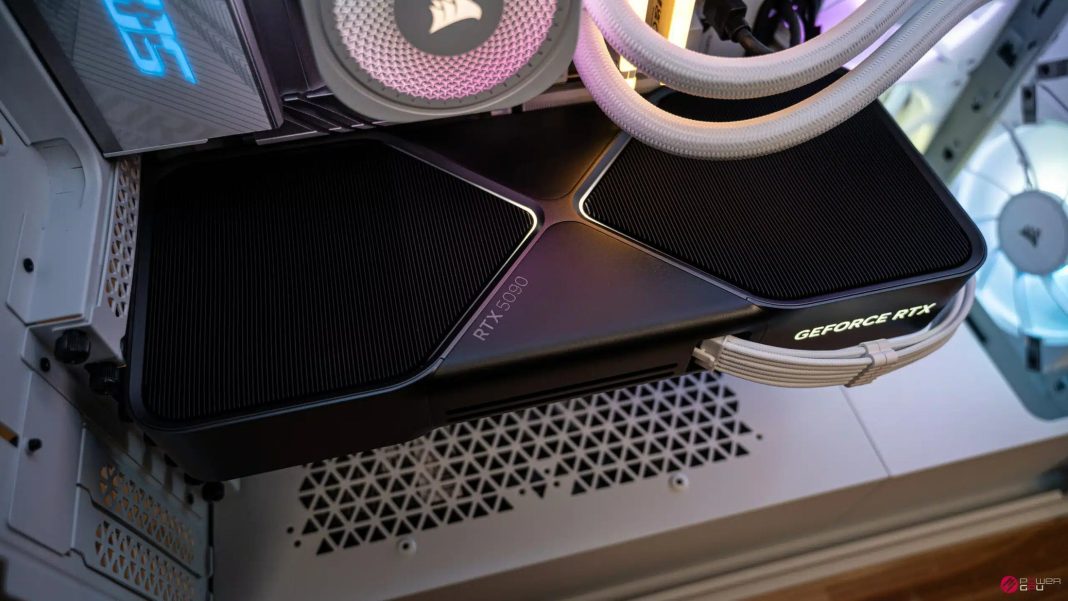
NVIDIA, a name synonymous with cutting-edge graphics processing units (GPUs) and increasingly, artificial intelligence (AI) innovation, has traditionally maintained a brisk refresh cycle for its hardware. From powering the most demanding PC games to accelerating complex scientific simulations, its GPUs are foundational to modern computing. However, a significant rumour swirling through industry circles suggests a radical strategic shift: NVIDIA might not release a single consumer or enterprise GPU in the calendar year 2026. If true, this unprecedented move could send ripples across the global tech landscape, especially impacting India’s rapidly expanding gaming, AI, and professional computing sectors.
The Strategic Pivot: AI Over Conventional GPUs?
The whispers of a 2026 GPU hiatus are not born out of manufacturing woes, but rather a perceived strategic pivot by NVIDIA. Industry analysts point towards the company’s laser-sharp focus on the burgeoning Artificial Intelligence market. With its Hopper and upcoming Blackwell architectures dominating the data centre and AI accelerator space, NVIDIA’s resources — both R&D and manufacturing capacity, particularly at key foundries like TSMC — are reportedly being overwhelmingly directed towards these high-margin, high-demand enterprise solutions.
This potential pause in GPU releases for 2026 could signify NVIDIA’s confidence in its current consumer lineups, like the Ada Lovelace architecture (RTX 40 series), and any potential refresh or new architecture slated for late 2024 or 2025. By consolidating its engineering and production efforts, NVIDIA could be aiming to cement its unassailable lead in AI hardware, a market projected to grow exponentially. This would allow them to fine-tune existing architectures for longevity on the consumer side, while dedicating their cutting-edge advancements solely to the enterprise AI segment for a period.
Implications for the Indian Tech Ecosystem
For India, a country witnessing a rapid ascent in both its digital economy and tech-savvy population, the implications of NVIDIA’s potential strategy are multifaceted. The Indian gaming market, which has seen explosive growth in recent years, relies heavily on accessible and updated GPU technology. Indian gamers, especially those eyeing upgrades from older generations, might find their upgrade paths constrained. While AMD and Intel would undoubtedly vie to fill any perceived void, NVIDIA’s absence from the 2026 release cycle could lead to price stability for existing cards or, conversely, inflated prices if demand outstrips supply for popular models.
Beyond gaming, the professional segment – including content creators, animators, architects, and data scientists – would also feel the impact. Many Indian studios and freelance professionals depend on NVIDIA’s CUDA platform for accelerated rendering, simulation, and machine learning tasks. A lack of new hardware releases in 2026 could mean relying on 2025 technology for an extended period, potentially slowing down advancements in specific fields that thrive on incremental hardware improvements. Moreover, for India’s burgeoning AI startup ecosystem, while the focus is largely on enterprise-grade accelerators, the ecosystem benefits from a vibrant research and development landscape, part of which is fueled by advancements in consumer-grade AI-capable GPUs.
Industry Reaction and The Road Ahead
The market’s reaction to such a monumental shift is bound to be significant. Competitors like AMD and Intel would likely seize the opportunity to push their own GPU offerings, intensifying competition in a segment NVIDIA has largely dominated. However, NVIDIA’s long-term play appears to be a calculated gamble on AI becoming the paramount driver of future technological growth, potentially making consumer GPU cycles a secondary concern.
As Anil Sharma, a leading tech analyst based in Bengaluru, puts it, “NVIDIA’s potential 2026 hiatus isn’t about weakness, but a radical re-prioritisation. They are betting the farm on AI’s exponential growth, and if that gamble pays off, the conventional GPU market might just become a side act to their data centre dominance. For India, this means a pivotal moment to watch how local players adapt and if competitors can truly capitalise on the consumer void.” This perspective underscores the strategic importance of AI in NVIDIA’s corporate vision.
Ultimately, while the rumour remains unconfirmed, it highlights a profound shift in the tech industry. As AI increasingly permeates every facet of technology, the traditional metrics of success and product cycles for companies like NVIDIA are being redefined. For India, keeping an eye on these developments is crucial, as the choices made by global tech giants today will undoubtedly shape our digital landscape tomorrow.

