


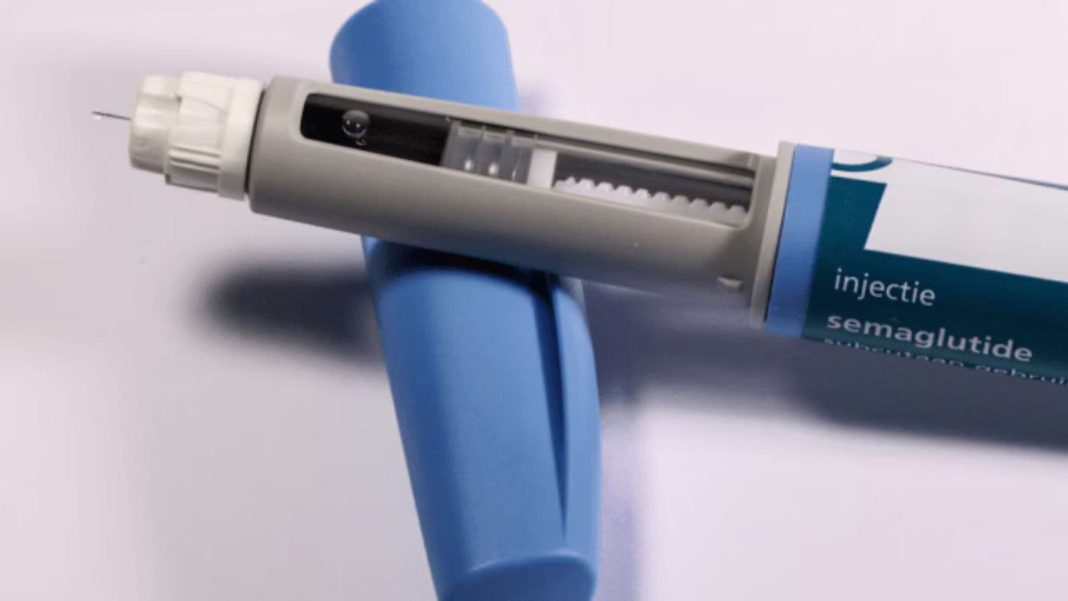
The landscape of weight management in India is witnessing a significant shift with Novo Nordisk, a global pharmaceutical leader, introducing its weekly 0.25 mg weight-loss injection. This new offering, poised to enter the Indian market with an initial price point starting at Rs 2,200, marks a pivotal moment for individuals struggling with obesity and medical professionals alike. The introduction of such a therapeutic option provides a new avenue in the ongoing battle against a growing public health challenge in the nation.
Understanding the New Weekly Weight-Loss Injection
Novo Nordisk’s latest offering is a weekly injectable medication, with the 0.25 mg dose typically serving as the starting point for patients. While the specific brand name for this particular formulation and dosage in India is yet to be widely announced or fully established, the underlying active ingredient is anticipated to be a GLP-1 (Glucagon-Like Peptide-1) receptor agonist, similar to compounds that have shown efficacy in weight management globally. These medications work by mimicking a natural gut hormone, GLP-1, which regulates appetite and food intake. By activating these receptors, the drug helps in reducing hunger, increasing feelings of fullness, and slowing down gastric emptying, leading to reduced calorie intake and subsequent weight loss.
The starting price of Rs 2,200 for a weekly dose is a critical factor for the Indian market. While this might appear substantial to some, it positions the therapy at a relatively more accessible point compared to similar treatments available in Western markets. However, it is imperative for potential users to understand that this is likely the cost for the initial, lowest dose. Doses for sustained weight loss management often escalate over time, and the long-term financial commitment could be a significant consideration for many Indian households. This medication is strictly a prescription drug, underscoring the necessity of medical consultation and supervision for its safe and effective use.
The Evolving Landscape of Obesity Management in India
India is grappling with a rapidly escalating obesity epidemic. Lifestyle changes, dietary shifts towards processed foods, and reduced physical activity have contributed to a worrying rise in overweight and obese populations across urban and increasingly, rural areas. Obesity is not merely a cosmetic concern; it is a complex chronic disease that significantly increases the risk of numerous comorbidities, including type 2 diabetes, cardiovascular diseases, hypertension, certain cancers, and musculoskeletal disorders. Current management strategies predominantly revolve around diet and exercise, and in more severe cases, bariatric surgery. However, adherence to lifestyle modifications can be challenging, and surgery is not suitable or desired by everyone.
The arrival of a pharmaceutical intervention like Novo Nordisk’s weekly injection offers a new, evidence-based tool for medical practitioners in India. It broadens the spectrum of treatment options available, potentially offering a medically supervised pathway for individuals who have struggled to achieve significant or sustainable weight loss through conventional methods alone. This introduction could also spur greater discussion and awareness about obesity as a treatable medical condition rather than solely a personal failing.
“While medications like this offer a significant new pathway for many struggling with obesity, it’s crucial to remember they are most effective when integrated into a holistic management plan,” states Dr. Rohan Sharma, a leading endocrinologist based in Mumbai. “Patients must understand that this is not a magic bullet but a powerful tool to be used under strict medical supervision, alongside dedicated lifestyle modifications including diet and exercise. The initial low dose is key for tolerance, and careful titration by a doctor is essential.”
Navigating Expectations and Responsible Use
It is paramount that the introduction of this weight-loss injection is met with informed and responsible uptake. Patients considering this therapy must engage in thorough discussions with their healthcare providers to understand the benefits, potential side effects (which commonly include nausea, vomiting, diarrhea, or constipation, especially during the initial phase), and the long-term commitment required. The drug is intended to be an adjunct to a reduced-calorie diet and increased physical activity, not a substitute for them. A comprehensive weight management plan that addresses nutritional counseling, exercise regimens, and behavioral therapy alongside medication is often the most effective approach.
The starting price of Rs 2,200, while relatively competitive, still places it as a significant recurring expense for many. The long-term cost implications and the need for continuous supply are factors that will influence its widespread adoption and the eventual market dynamics in India. Furthermore, regulatory bodies and healthcare providers will play a crucial role in educating the public and ensuring that the medication is prescribed judiciously to appropriate candidates, based on established clinical guidelines for obesity and overweight conditions.
Novo Nordisk’s latest weekly weight-loss injection represents a notable addition to India’s therapeutic arsenal against obesity. It offers a promising option for many, yet its success and impact will hinge on responsible medical practice, patient education, and a holistic approach to health and well-being. As India continues to address its public health challenges, such pharmaceutical innovations, when used judiciously, can play an important role in improving outcomes for millions.

