


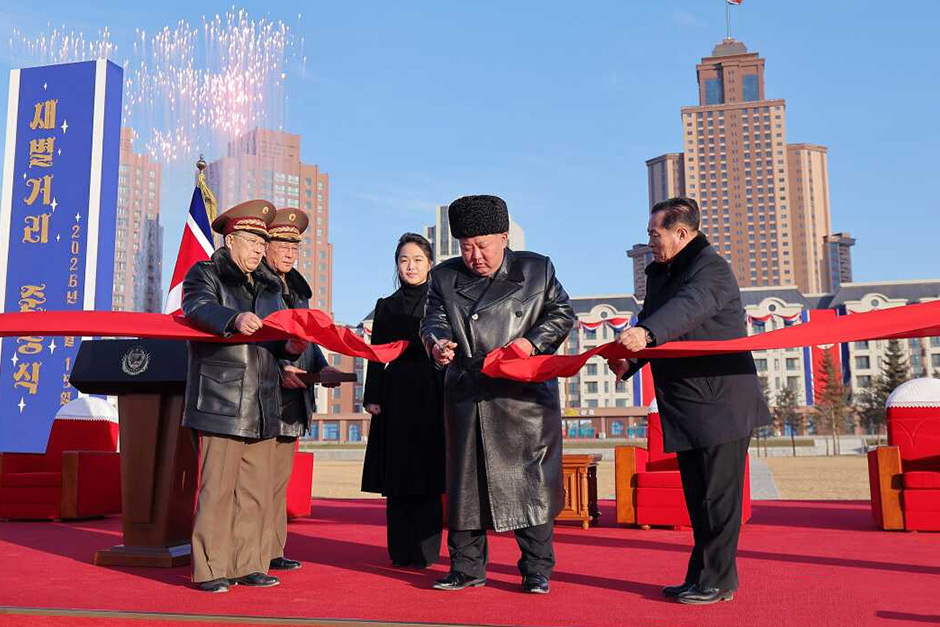
In a move that has garnered international attention, North Korea has reportedly initiated significant housing projects, specifically allocating new homes to the families of soldiers who have died while serving the nation. While official statements from Pyongyang frame these efforts as a demonstration of state care for its military personnel, external observers and intelligence reports suggest a compelling link to the ongoing conflict in Ukraine, prompting a closer look at the initiative’s broader implications.
The Housing Initiative: A Glimpse into State Welfare
North Korean state media has consistently highlighted the completion and allocation of new residences, often depicting festive ceremonies attended by high-ranking officials and the beneficiary families. These homes are presented as a token of gratitude and a commitment to the welfare of those who have made the ultimate sacrifice in service to the nation. The projects are typically large-scale, featuring modern amenities by local standards, and are often situated in newly developed districts.
The beneficiaries are identified as families of “heroes of the state” or “national defense martyrs.” While the specific circumstances of their loved ones’ deaths are rarely detailed in public announcements, the emphasis on national sacrifice and military service is consistent. This initiative aligns with a broader pattern of North Korea using significant construction projects to demonstrate the state’s capacity and care for its citizens, particularly those deemed vital to national interests.
Connecting the Dots: Geopolitical Alignments and Reports from Abroad
The timing and nature of these housing allocations have led many international analysts to connect them with North Korea’s alleged involvement in the Russia-Ukraine conflict. While Pyongyang officially denies sending its troops to fight in Ukraine, numerous reports from various intelligence agencies and independent sources suggest that North Korean personnel, potentially including soldiers or paramilitary forces, may be operating in conflict zones, providing support or direct involvement. This forms the basis of the unofficial linkage.
If these reports are accurate, the housing projects could serve multiple purposes. Domestically, they offer tangible support to bereaved families, potentially bolstering morale within the armed forces and reinforcing loyalty to the leadership. Internationally, they subtly acknowledge the sacrifices made, even without explicitly detailing the context, while maintaining the official narrative of non-involvement in external conflicts. “This isn’t just about providing shelter; it’s a powerful symbolic gesture that validates sacrifice and reinforces the state’s narrative of protection and care, especially when official channels are silent on specific deployments,” observes one analyst specializing in East Asian affairs.
The construction of new homes for military families in North Korea represents a multifaceted initiative. On one hand, it addresses a genuine need for housing and provides a form of state-sponsored welfare to those who have lost loved ones in service. On the other, it functions as a potent tool for domestic messaging, affirming the value of military sacrifice and reinforcing the leadership’s image as a caring provider. For the international community, these projects serve as a quiet indicator, offering further data points in the complex tapestry of North Korea’s foreign policy and its reported, though officially unacknowledged, role in global conflicts.

