


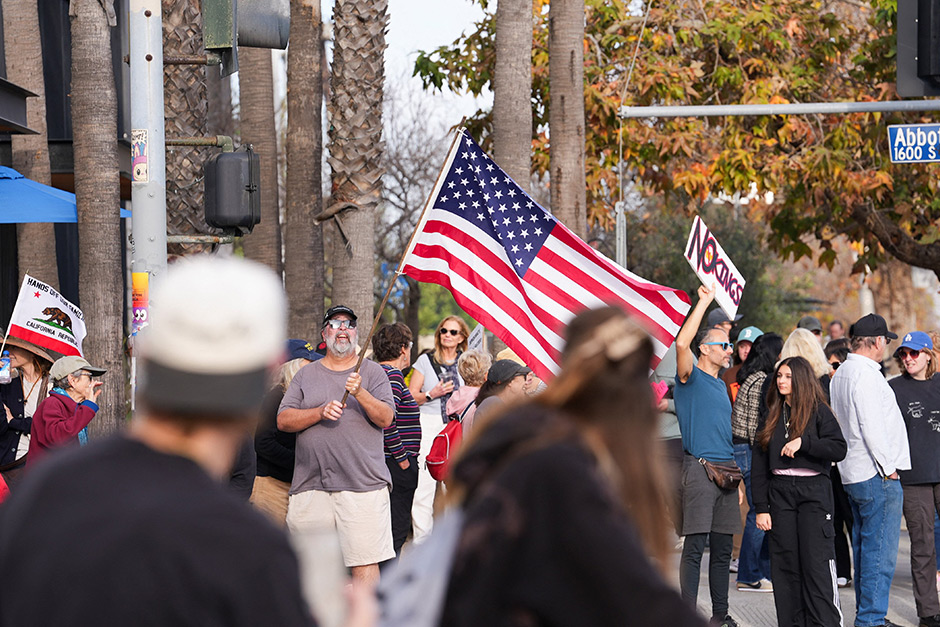
In a powerful display of collective dissent, immigrant communities and their allies across the United States recently took to the streets, not just to march, but to vanish. Under the banner of “‘No work, no school, no shopping’,” these widespread protests aimed to underscore the indispensable role immigrants play in American society, challenging the Trump administration’s stringent immigration policies. From bustling metropolises to agricultural heartlands, the nation witnessed a tangible silence as millions withheld their labour, their presence, and their purchasing power, demanding an end to what they describe as a relentless crackdown on undocumented immigrants and a climate of fear.
A Day Without Immigrants: Highlighting an Economic Backbone
The call for a “Day Without Immigrants” or a similar general strike resonated deeply, manifesting in various forms across different states. Restaurants, construction sites, farms, and small businesses found themselves short-staffed or entirely shut down as workers opted to join rallies or simply stay home. The protest strategy was clear: to demonstrate the profound economic vacuum that would be created if immigrants were suddenly removed from the U.S. workforce.
In major cities like Los Angeles, New York, and Chicago, schools reported significant absenteeism, while numerous shops and eateries displayed signs announcing temporary closures in solidarity or due to lack of staff. Agricultural regions, heavily reliant on immigrant labour, also felt the pinch, with reports of unpicked produce and halted operations. Organisers emphasised that this was not merely a symbolic gesture, but a practical demonstration of economic interdependence, forcing a conversation about the contributions often taken for granted.
The impact was felt across diverse sectors, from the service industry to manufacturing, illuminating how integral immigrant workers are to the daily functioning and economic prosperity of the United States. This collective action sought to disrupt the narrative that often demonises undocumented immigrants, replacing it with a stark reminder of their essential contributions.
Fear, Solidarity, and a Plea for Humanity
Behind the economic boycott lies a deep-seated fear permeating immigrant communities. The Trump administration’s aggressive immigration enforcement, including increased raids by Immigration and Customs Enforcement (ICE) and stricter asylum policies, has created an atmosphere of uncertainty and anxiety. Families live in constant apprehension of separation, with many choosing to remain indoors to avoid potential encounters with authorities. These protests are, at their core, a desperate plea for recognition, protection, and humane treatment.
The movement has also seen remarkable solidarity from various quarters. Legal residents, U.S. citizens, advocacy groups, labour unions, and religious organisations have joined forces, underscoring that the fight for immigrant rights is a broader human rights issue. Rallies featured a diverse tapestry of supporters, all united against policies they view as discriminatory and harmful to the fabric of American society.
“The crackdown has created an atmosphere of pervasive fear, pushing families further into the shadows,” states Maria Rodriguez, an immigration activist in Los Angeles, whose family emigrated from Mexico decades ago. “These protests are not just about showing our economic power; they are a desperate plea for our humanity to be recognised. We are here, we contribute, and we deserve dignity and respect. We are not disposable.”
Organisers have highlighted the detrimental effects of family separations, the plight of DACA recipients (Deferred Action for Childhood Arrivals) living in limbo, and the challenges faced by asylum seekers at the border. The protests aim to put a human face on these complex issues, urging lawmakers to consider comprehensive immigration reform that prioritises compassion alongside security.
Beyond a Single Day: The Future of Immigration Activism
While the “Day Without Immigrants” event may conclude, its ripple effects are expected to endure. The widespread participation and visibility have reignited the debate surrounding immigration in the U.S., forcing it back into the national consciousness. Activists hope these demonstrations serve as a catalyst for sustained engagement, pushing for policy changes that offer pathways to citizenship, safeguard existing protections, and reform enforcement practices.
The Trump administration, however, has consistently maintained its stance that strict immigration enforcement is vital for national security and the rule of law. The protests, therefore, represent a significant clash of ideologies and priorities, highlighting the deep divisions within American society on this contentious issue. As the U.S. continues to grapple with its identity as a nation of immigrants, the sustained pressure from these grassroots movements will undoubtedly play a crucial role in shaping future policy discussions and potentially influencing upcoming elections.
These protests underscore a fundamental truth: the strength and resilience of communities standing together to demand their rights. As the world watches, the outcome of this struggle in the United States will have far-reaching implications, not just for its own citizens and residents, but for the global discourse on human rights and immigration.

