


The relentless pace of modern work, exacerbated by the blurring lines of remote and hybrid models, has brought the conversation around work-life balance to a critical juncture. For many Indian professionals, the expectation of being ‘always on’ has become an unwelcome norm, extending working hours well beyond the traditional nine-to-five. Addressing this pervasive issue, a significant Private Member’s Bill has been introduced in the Lok Sabha, advocating for employees’ right to disconnect from work-related communications outside of office hours.
The Proposed Legislation and Global Footprints
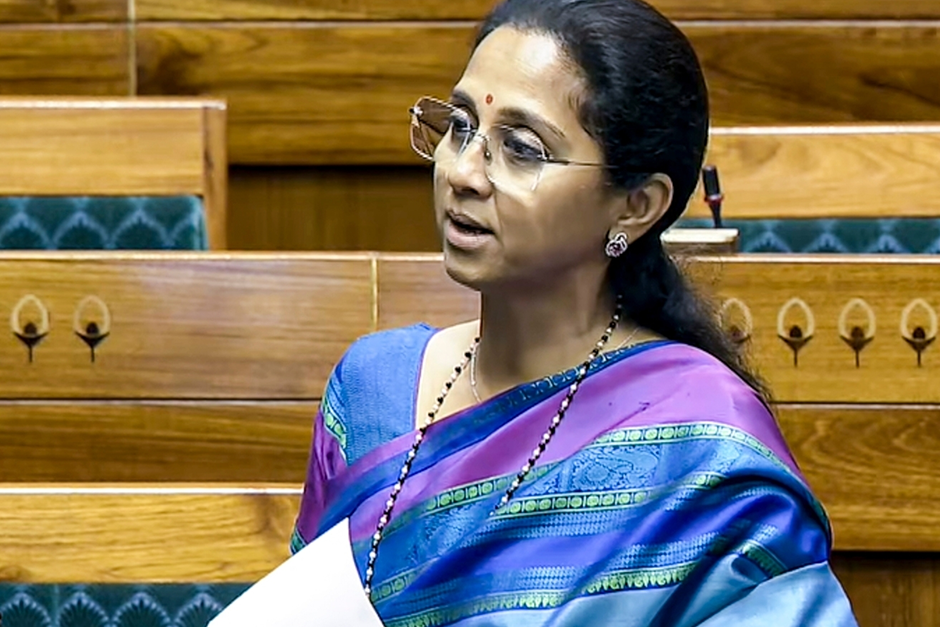
Introduced by Nationalist Congress Party (NCP) MP Supriya Sule, the ‘Right to Disconnect Bill, 2021’ seeks to amend the Industrial Employment (Standing Orders) Act, 1946. The core premise of the bill is to empower employees with the legal right to ignore work calls, emails, and messages after their designated working hours, effectively preventing employers from penalising them for doing so. This aims to create a healthier distinction between professional and personal spheres, a boundary often eroded in today’s hyper-connected world.
The concept of a ‘right to disconnect’ is not entirely new on the global stage. Countries like France pioneered such legislation in 2017, requiring companies with over 50 employees to negotiate charters defining employees’ rights to ignore work emails outside of office hours. Similar laws and initiatives have since emerged in Spain, Ireland, Belgium, and Portugal, reflecting a growing international recognition of the importance of employee well-being and mental health. These global precedents offer a blueprint, albeit with varied nuances, for how such a policy could be implemented and enforced in India.
Addressing India’s Work-Life Imbalance
India’s dynamic economy, particularly its thriving IT and services sectors, is often characterised by demanding work cultures and prolonged working hours. The advent of remote work during the pandemic further blurred the lines, with many professionals reporting increased work hours and difficulty switching off. This ‘always-on’ expectation has led to heightened stress, burnout, and a decline in overall mental and physical well-being among the workforce.
The proposed bill directly confronts these challenges, aiming to foster a more sustainable and humane work environment. By legally safeguarding an employee’s right to disconnect, it seeks to reduce work-related stress, improve mental health outcomes, and enhance overall quality of life. For many, it represents a crucial step towards reclaiming personal time and fostering better family and social relationships.
“In an increasingly interconnected world, establishing clear boundaries between professional and personal life is crucial for employee well-being and long-term productivity. This bill, while still nascent, brings to the forefront a much-needed conversation about sustainable work practices in the Indian corporate landscape, especially given the demands placed on our workforce,” observes Dr. Priya Singh, a leading HR policy expert.
Beyond individual benefits, a healthier workforce could also translate into improved productivity during official hours, reduced absenteeism, and higher employee retention rates for companies. It encourages employers to re-evaluate their operational strategies and potentially invest in more efficient work processes rather than relying on constant employee availability.
Navigating Implementation: Hopes and Hurdles
While the intent behind the Right to Disconnect Bill is widely appreciated, its practical implementation in India presents several complexities. One of the primary concerns revolves around defining what constitutes an ‘urgent’ or ‘critical’ work communication that might necessitate after-hours response, especially for sectors like healthcare, emergency services, or those dealing with international clients across different time zones. Clarity on such exceptions will be paramount to prevent misinterpretations and ensure operational continuity for businesses.
Small and medium-sized enterprises (SMEs) and startups, which often operate with leaner teams and tighter deadlines, might also face significant challenges in adapting to such regulations. There is a need for detailed guidelines and perhaps a phased implementation approach to ensure that the bill does not inadvertently stifle innovation or economic growth. Furthermore, effective enforcement mechanisms would be crucial to ensure compliance and protect employees from subtle forms of pressure or retaliation.
The bill’s journey through Parliament will undoubtedly involve extensive debate and consultations with various stakeholders, including employer associations, trade unions, and legal experts. The outcome could shape the future of work-life balance in India, moving it from a mere HR buzzword to a legally enshrined right. The discussion ignited by this Private Member’s Bill is a vital one, reflecting a global shift towards valuing employee well-being as much as productivity.
As India continues its economic growth trajectory, balancing the demands of a competitive global market with the fundamental human need for rest and personal time will be a defining challenge. The ‘Right to Disconnect’ bill marks an important legislative step in acknowledging and addressing this critical balance, urging both employers and employees to rethink the boundaries of work in the digital age.

