


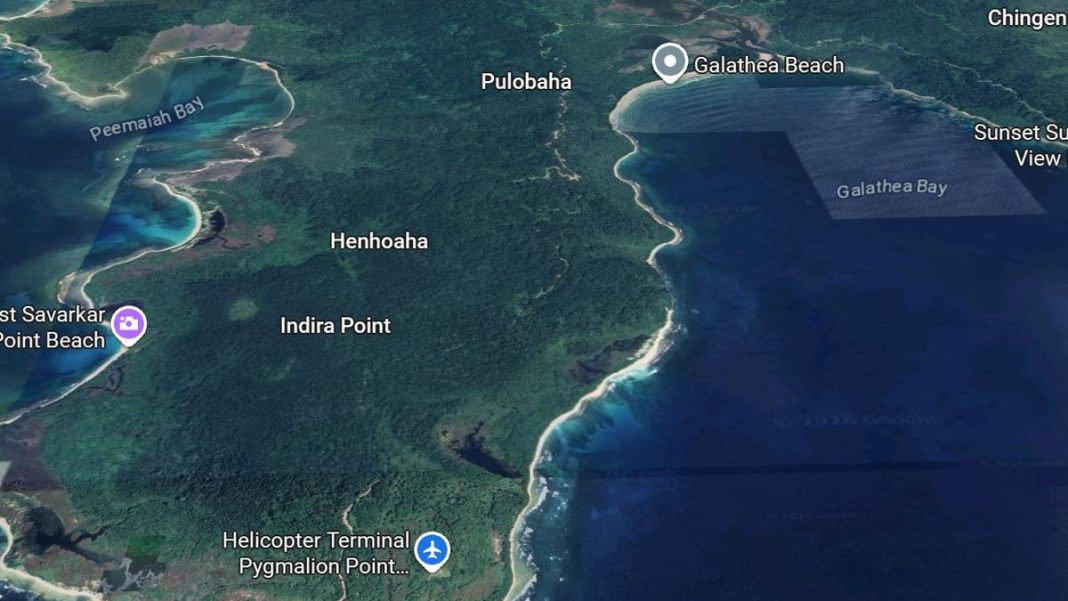
The remote, ecologically fragile Nicobar Islands, nestled in the Bay of Bengal, are home to several indigenous communities whose way of life is deeply intertwined with their ancestral lands. These islands, part of the Andaman and Nicobar archipelago, have long been a beacon of unique biodiversity and cultural heritage. However, recent assertions by the Nicobar Tribal Council (NTC) have cast a spotlight on a brewing controversy, with the council alleging persistent pressure to sign a ‘surrender certificate’ for their traditional territories. This development raises significant questions about tribal rights, land acquisition, and the delicate balance between development and conservation in one of India’s most sensitive regions.
The Nicobar Islands: A Cradle of Indigenous Culture
The Nicobar Islands comprise 22 islands, of which only 12 are inhabited. They are home to the Nicobarese, Shompen, and other indigenous groups, recognised as Particularly Vulnerable Tribal Groups (PVTGs). The Nicobarese, the largest among these, have a robust customary governance system and a deep spiritual and economic connection to their land and natural resources. Their ancestral domains are not merely parcels of land; they are integral to their identity, cultural practices, livelihoods, and history, passed down through generations. Indian law, particularly the Andaman and Nicobar Islands (Protection of Aboriginal Tribes) Regulation, 1956, provides specific safeguards aimed at protecting these communities from exploitation and alienation of their land.
The Nicobar Tribal Council, an elected body representing the Nicobarese community, serves as the primary custodian of their interests and traditions. It plays a crucial role in safeguarding tribal customary laws and land rights. It is against this backdrop of cultural significance and legal protection that the council’s recent claims have garnered serious attention.
The ‘Surrender Certificate’: A Threat to Ancestral Lands?
The crux of the controversy lies in the alleged demand for the NTC to sign a ‘surrender certificate’. Such a document would ostensibly formalise the relinquishment of ancestral land rights, potentially paving the way for large-scale development projects. While specific project details are often shrouded in official discretion, the broader context points towards ambitions for infrastructure development, tourism, and strategic installations on the islands. The NTC has, however, categorically stated its opposition to any such move, arguing that it undermines their constitutional rights and their traditional way of life.
Senior members of the council have voiced concerns over what they describe as a sustained campaign of persuasion and subtle pressure. These tactics, they allege, bypass the spirit of Free, Prior, and Informed Consent (FPIC), a globally recognised principle for engaging with indigenous communities on projects affecting their lands and resources. “We are being told that signing this certificate is inevitable for the region’s progress, but progress at what cost?” asked a senior member of the Nicobar Tribal Council, speaking anonymously to preserve ongoing dialogue. “Our land is our life. To surrender it is to surrender our very identity. We have a right to decide our future, and that includes protecting what is rightfully ours.”
The fear among the Nicobarese is that once the certificate is signed, it would be an irreversible step, leading to displacement, loss of cultural heritage, and potential ecological degradation in an area renowned for its unique flora and fauna. The council maintains that proper consultation and recognition of their existing land rights must precede any developmental endeavour.
Navigating Development and Rights: The Path Forward
The situation in the Nicobar Islands underscores a perennial challenge in India: balancing the imperatives of national development and strategic interests with the fundamental rights and preservation of indigenous communities. While infrastructure and connectivity are often cited as essential for the welfare of the islanders and national security, critics argue that such development must be sustainable, inclusive, and respect the unique socio-cultural fabric of the region.
For the Nicobar Tribal Council, the path forward involves upholding their constitutional and customary rights, seeking transparent dialogue with the authorities, and ensuring that any development proposal undergoes rigorous environmental and social impact assessments with the full participation of the affected communities. The onus lies on the administration to engage with the NTC in a manner that builds trust, respects self-governance, and adheres to the principles of tribal protection enshrined in Indian law. A resolution that safeguards the cultural integrity and land rights of the Nicobarese, while enabling responsible development, is crucial for the future of these pristine islands and their inhabitants.
*

