


In a significant stride for medical science and a beacon of hope for patients in India and worldwide, a new investigational monoclonal antibody has demonstrated remarkable safety and efficacy in treating Primary Biliary Cholangitis (PBC), a rare and chronic autoimmune liver disease. This breakthrough holds the potential to transform the lives of individuals grappling with a condition that progressively damages the liver, often leading to cirrhosis and liver failure if left unchecked.
For years, therapeutic options for PBC have been limited, leaving many patients facing an uncertain future. The emergence of this novel treatment signals a new era in the management of rare liver disorders, promising improved quality of life and potentially slowing disease progression. As India continues to grapple with a rising burden of liver diseases, the potential availability of such advanced therapies is a crucial development.
Understanding Primary Biliary Cholangitis (PBC)
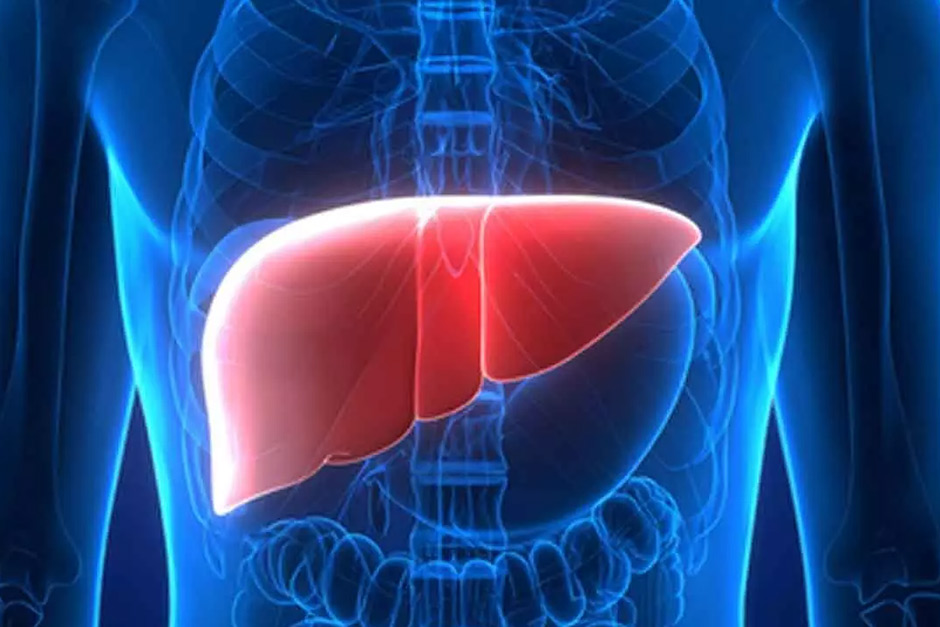
Primary Biliary Cholangitis, formerly known as Primary Biliary Cirrhosis, is an autoimmune condition where the body’s immune system mistakenly attacks the small bile ducts in the liver. These ducts are responsible for transporting bile, a digestive fluid, out of the liver. When they are damaged, bile builds up in the liver, leading to inflammation, scarring (fibrosis), and eventually, cirrhosis and liver failure.
Symptoms of PBC can range from debilitating fatigue and severe itching (pruritus) to jaundice, dry eyes, and joint pain. While rare, PBC disproportionately affects women, typically between the ages of 40 and 60. Current standard treatments, primarily ursodeoxycholic acid (UDCA) and obeticholic acid (OCA) for those with an inadequate response to UDCA, aim to slow disease progression and manage symptoms. However, a significant subset of patients either doesn’t respond sufficiently to these therapies or experiences intolerable side effects, underscoring the urgent need for alternative and more effective treatments.
Retacopumab: A New Hope on the Horizon
The investigational drug, named Retacopumab, is a monoclonal antibody that targets a specific pathway implicated in the autoimmune inflammation characteristic of PBC. Unlike existing treatments that broadly modify bile acid composition or improve bile flow, Retacopumab works by neutralizing specific immune mediators, thereby directly addressing the underlying inflammatory process that damages bile ducts. This targeted approach is a hallmark of modern immunology and precision medicine.
Recent clinical trials have highlighted Retacopumab’s impressive profile. Participants receiving the monoclonal antibody showed significant improvements in key markers of liver health, including alkaline phosphatase (ALP) and bilirubin levels, which are critical indicators of bile duct damage and liver function. Beyond biochemical improvements, many patients also reported a marked reduction in debilitating symptoms such as fatigue and pruritus, significantly enhancing their daily lives.
Studies indicated that Retacopumab was generally well-tolerated, with a favorable safety profile. The most commonly reported side effects were mild to moderate and manageable, such as headache, nausea, and minor injection site reactions – typical for biologics. Crucially, there were no new or unexpected safety signals that raised significant concerns, paving the way for further regulatory evaluation.
Impact for Indian Patients
The implications of this development for India are profound. While PBC is considered a rare disease, the sheer population size means that a substantial number of individuals could benefit from advanced therapies. Furthermore, timely diagnosis and access to effective treatments remain significant challenges in many parts of the country. A new, effective drug like Retacopumab could offer a lifeline where existing treatments fall short.
Dr. Sanjeev Gupta, a leading hepatologist and researcher at the Institute of Liver and Biliary Sciences (ILBS) in New Delhi, expressed cautious optimism. “This new monoclonal antibody represents a critical step forward for PBC patients globally, and especially in India. For those who don’t respond to current therapies, it offers renewed hope. The challenge will now be to ensure equitable access and affordability once approved by regulatory bodies like the DCGI, making sure this innovative treatment reaches every patient who needs it across our diverse healthcare landscape.”
Looking Ahead: Accessibility and Integration in India
The journey for Retacopumab doesn’t end with successful clinical trials. The next crucial steps involve regulatory approvals from bodies like the Drugs Controller General of India (DCGI). Once approved, considerations of manufacturing, distribution, and pricing will be paramount to ensure the drug’s accessibility to Indian patients. Integrating such advanced therapies into India’s healthcare system will require collaboration between pharmaceutical companies, healthcare providers, and policymakers to establish robust diagnostic pathways and ensure specialist care.
The advent of Retacopumab underscores the relentless progress in medical research and the growing understanding of complex autoimmune conditions. For individuals living with Primary Biliary Cholangitis, this new monoclonal antibody is not just another drug; it represents a tangible promise of improved health, reduced suffering, and a brighter future. As the global medical community celebrates this achievement, the focus now shifts to making this life-changing therapy available to those who need it most, truly living up to the promise of innovation.
—

