


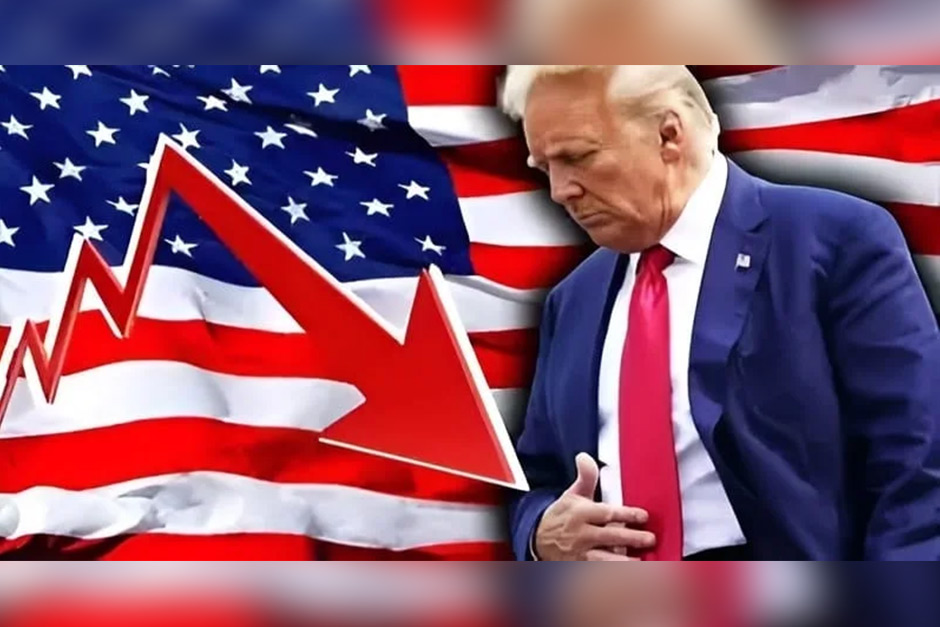
The economic landscape is rarely a smooth, predictable journey. Right now, on the global stage, whispers are turning into more audible conversations about the health of the U.S. economy. New figures are painting a picture that has some seasoned experts raising an eyebrow, warning that America might just be in for a rough patch. It’s not a call to panic, but certainly a cue to pay closer attention to the economic signals flashing around us.
Cracks in the Foundation?
For a while now, headlines have been dominated by inflation, interest rate hikes, and a surprisingly resilient job market. However, recent data points suggest a shift in momentum. We’re seeing a cooling in certain sectors, a slight tightening in consumer spending, and a continued battle against sticky price increases. It’s these underlying shifts that are prompting a more cautious outlook from economic analysts.
One financial analyst recently noted, “The data points we’re seeing, from persistent inflation to shifting consumer behavior, suggest a need for caution. It’s not a cliff edge, but certainly a bumpier road ahead for the U.S. economy.” This sentiment encapsulates the current mood: a recognition that while things aren’t dire, they’re not entirely stable either. The concern isn’t about an immediate collapse, but rather a slow-motion deceleration that could impact various facets of life and business.
Navigating the Headwinds
So, what exactly are these headwinds experts are watching? Several factors are contributing to this more conservative forecast. High interest rates, while intended to curb inflation, also make borrowing more expensive for businesses and consumers, potentially slowing down investment and big-ticket purchases. Global economic uncertainty, from geopolitical tensions to ongoing supply chain recalibrations, also casts a long shadow, making it harder for businesses to plan and grow.
Additionally, while the job market has been robust, some indicators suggest it might be starting to soften, with fewer new openings and a slight increase in unemployment claims. These aren’t alarming spikes, but rather subtle shifts that, when combined, create a mosaic of a potentially less vibrant economy. The challenge lies in managing these forces to achieve a “soft landing” – bringing inflation down without triggering a full-blown recession.
What This Means for You
For the average person, talk of economic rough patches can sound abstract and distant. However, the ripple effects can touch daily life. A cooling economy might mean a tougher job market, more modest wage growth, or an environment where securing loans or mortgages becomes more challenging. Businesses might face tighter margins, leading to less expansion or hiring.
It’s a time when understanding your personal finances becomes even more crucial. Think about building a stronger emergency fund, reviewing your spending habits, and perhaps being a bit more conservative with new investments or large purchases. While the warnings are about a “rough patch” rather than a full-blown crisis, vigilance and thoughtful planning can make a significant difference in navigating any potential turbulence.
The U.S. economy is a dynamic entity, constantly shifting and evolving. While some experts are warning of a choppier ride ahead, it’s also a reminder that economies are resilient and adaptive. Staying informed and preparing for various scenarios are key. Let’s keep an eye on these trends, understand the potential impacts, and be ready to adapt as the economic story unfolds.

