


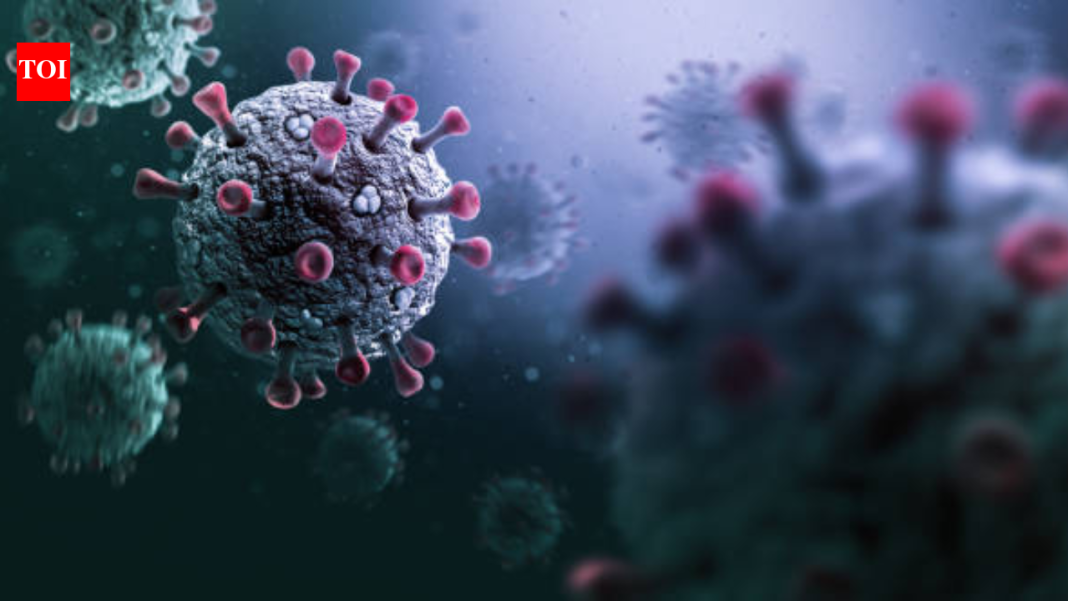
The global health landscape is once again buzzing with discussions about COVID-19, as reports emerge of a new variant identified with an unprecedented 75 mutations. This significant number has naturally sparked concern among the public and the scientific community alike. While the detection of new variants is not uncommon, the sheer volume of genetic changes in this particular strain warrants careful observation. Public health officials and medical professionals in India are closely monitoring the situation, urging citizens to remain vigilant but to avoid succumbing to panic.
Understanding the New Variant and its Genetic Landscape
The novel variant, currently under intense scrutiny by global health bodies, boasts approximately 75 mutations, a substantially higher number compared to previously dominant strains. Mutations are natural occurrences in viruses as they replicate and evolve. While most mutations are inconsequential, some can alter a virus’s characteristics, affecting its transmissibility, virulence, or ability to evade immune responses.
Scientists are particularly focused on mutations in the spike protein, which the virus uses to enter human cells and is the primary target for most vaccines and antibody therapies. A high number of mutations in this critical region could potentially lead to increased transmissibility, making the variant spread faster, or confer immune escape properties, allowing it to bypass existing immunity from vaccination or prior infection. Genomic surveillance efforts across the globe, including India, are ramping up to track its spread and understand its biological implications. Initial observations suggest that while it carries numerous changes, its real-world impact on disease severity and vaccine effectiveness is still being thoroughly assessed.
Doctor’s Advice: Stay Alert, Do Not Panic
In response to the emerging variant, medical experts are advocating for a balanced approach: informed vigilance without alarm. Dr. Priya Sharma, a leading pulmonologist at Apollo Hospitals, Chennai, underscores this sentiment. “The emergence of a new variant with many mutations is certainly something we must take seriously. However, it’s crucial not to panic. Panic leads to misinformation and poor decisions,” she stated. “Our experience with previous waves has equipped us with valuable knowledge and infrastructure. The key is to stay alert, follow public health guidelines, and trust scientific consensus.”
Dr. Sharma advises individuals to reinforce established COVID-appropriate behaviours. This includes diligent hand hygiene, wearing masks in crowded or poorly ventilated indoor spaces, and ensuring good ventilation at home and work. For those eligible, staying up-to-date with vaccinations and booster shots remains a critical line of defence, as existing vaccines are still expected to offer protection against severe disease, even if their efficacy against infection wanes slightly.
The healthcare system in India, having navigated multiple waves, has developed robust protocols for testing, tracing, and treatment. Genomic sequencing facilities are actively monitoring circulating strains to detect any concerning patterns early. This proactive surveillance is vital in understanding the variant’s trajectory and informing timely public health interventions.
India’s Preparedness and Public Responsibility
India’s journey through the pandemic has been marked by both immense challenges and significant learning. The nation has a high vaccination coverage, and a large proportion of the population has likely gained some form of hybrid immunity from past infections and vaccinations. This collective immunity could potentially offer a protective buffer against new variants, though its extent against this specific highly mutated strain is still under investigation.
The government and health agencies are emphasising the importance of continuous monitoring and a flexible response strategy. This involves not only scientific vigilance but also effective communication to prevent public anxiety and ensure that citizens receive accurate, timely information. It also highlights the role of individual responsibility – by adhering to basic health precautions, seeking medical advice when unwell, and avoiding self-diagnosis or reliance on unverified information, every citizen contributes to safeguarding public health.
As the scientific community races to understand the full implications of this new COVID-19 variant with 75 mutations, the message for the Indian populace remains clear: vigilance, not fear. By staying informed, adhering to health advisories, and leveraging the lessons learned from previous pandemic experiences, India can collectively navigate this new challenge with resilience and responsibility.

