


“`html
The geopolitical landscape of South Asia and the Middle East remains a mosaic of intricate alliances and simmering tensions. Recently, the delicate balance between Iran and Pakistan, two significant regional powers, has been put to the test. Following a period of escalating cross-border military actions and subsequent efforts at de-escalation, ceasefire talks reportedly reached an impasse. However, a glimmer of hope has emerged from Tehran, with Iranian officials stating, “Never refused to go to Pakistan,” signalling an open door for diplomacy despite the setbacks.
This statement, made amidst the backdrop of strained relations, underscores the complex dance between asserting national security interests and maintaining regional stability. For India, a nation with significant strategic stakes in the region, observing these developments is crucial, as any major escalation could reverberate across its own security and economic interests.
Escalating Tensions and Diplomatic Stalemate
The recent spike in tensions between Iran and Pakistan can be traced back to early 2024, when Iran launched missile and drone strikes on alleged militant targets within Pakistan’s Balochistan province, claiming to target the Jaish al-Adl group. Pakistan swiftly condemned the strikes as an “unprovoked violation” of its airspace and sovereignty, retaliating with its own strikes on alleged terrorist hideouts within Iranian territory, specifically in the Sistan-Baluchestan province. These actions marked an unprecedented military exchange between the two neighbours, raising serious concerns globally about a potential wider conflict.
Following the initial exchange, both nations moved to de-escalate, recalling their ambassadors but quickly agreeing to send them back. Dialogue was initiated, aimed at calming the situation and establishing mechanisms to prevent future flare-ups. However, reports from regional observers and diplomatic sources suggest that these initial ceasefire talks have struggled to yield concrete, lasting agreements, hitting what many described as a “dead end.” The core issue revolves around differing perceptions of cross-border militant threats and each nation’s right to act against groups it deems a threat to its security, often operating in the porous border regions inhabited by ethnic Baloch communities.
The Balochistan Factor
The shared, restive Balochistan region has historically been a flashpoint. Both Iran and Pakistan grapple with Baloch separatist movements and militant groups operating across the thinly guarded border. Tehran accuses Pakistan of harbouring elements of Jaish al-Adl, an Iran-based Sunni extremist group. Conversely, Islamabad points to various Baloch insurgent groups finding refuge on the Iranian side. This mutual suspicion and the difficulty of controlling vast, rugged terrains make finding a permanent solution incredibly challenging, often leading to unilateral actions that risk broader confrontation.
Iran’s Diplomatic Overture: A Strategic Gambit?
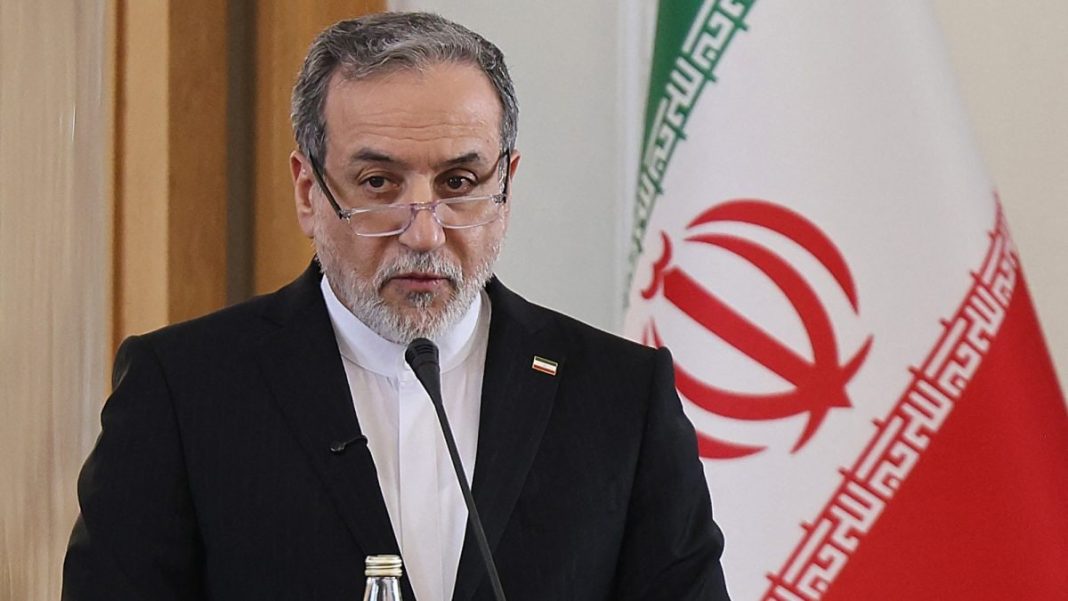
It is against this tense backdrop that Iran’s recent statement, affirming its readiness for direct engagement in Pakistan, takes on significant weight. The declaration from Iranian Foreign Minister Hossein Amir-Abdollahian, asserting that Iran “never refused to go to Pakistan to manage and control the border,” suggests a willingness to move beyond the current deadlock in negotiations. This isn’t merely a polite diplomatic gesture; it signals a potential shift towards higher-level, more direct talks that could circumvent bureaucratic hurdles or stalled technical discussions.
Such an overture could be interpreted in several ways. It might be a genuine attempt to de-escalate tensions and seek a pragmatic solution, acknowledging that sustained hostilities serve neither nation’s long-term interests. Alternatively, it could be a strategic move to project Iran as the reasonable party, open to dialogue even as talks falter, thereby subtly placing pressure on Pakistan to reciprocate with similar enthusiasm. Given the complex internal dynamics of both countries and their relations with other global powers, every diplomatic utterance is carefully weighed.
“While the initial military exchanges were alarming, Iran’s public readiness for direct engagement is a crucial step towards fostering trust and stability,” notes Dr. Kavita Sharma, a Delhi-based geopolitical analyst. “It shows that despite the rhetoric, both sides understand the imperative of dialogue to avoid a full-blown crisis, which neither capital can afford at this juncture. The onus now is on both nations to convert this verbal commitment into actionable diplomacy.”
Regional Implications and India’s Stake
The stability of Iran-Pakistan relations holds significant ramifications for the wider region, and particularly for India. As a major regional player, India has consistently advocated for peaceful resolutions to disputes and de-escalation of tensions in its extended neighbourhood. Any prolonged conflict between Iran and Pakistan would have profound implications for regional trade routes, energy security, and counter-terrorism efforts.
India’s strategic investment in Chabahar Port in Iran, vital for bypassing Pakistan to access Afghanistan and Central Asia, makes the stability of the Iran-Pakistan border region a direct concern. Instability could disrupt logistical chains and impede India’s connectivity projects. Moreover, an escalation of cross-border militancy could embolden various non-state actors, potentially creating a more volatile security environment that could spill over into India’s own western borders. For New Delhi, a stable, cooperative relationship between its western neighbours is preferable to a volatile one that demands constant vigilance.
The path forward remains fraught with challenges. While Iran’s readiness for direct talks offers a diplomatic lifeline, the underlying issues of border security, militant groups, and mutual distrust require sustained, high-level engagement. The international community, including India, will be closely watching whether this diplomatic overture translates into a tangible reduction of tensions and a framework for enduring peace between two pivotal nations.

