


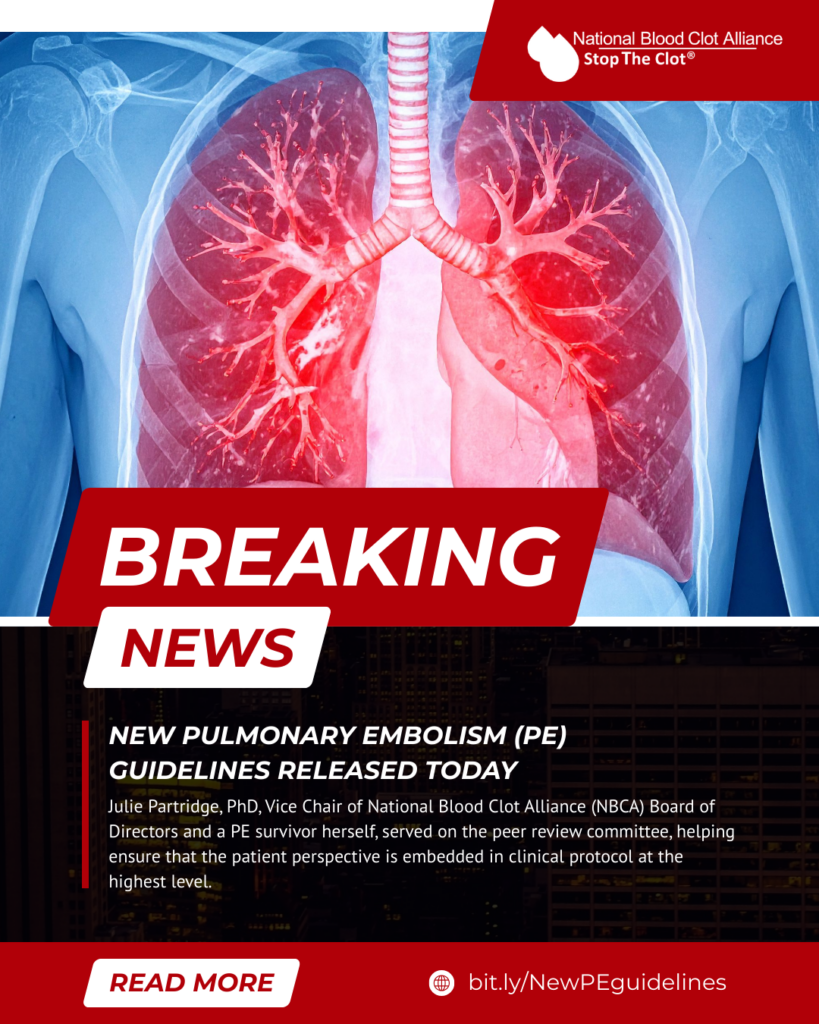
Acute Pulmonary Embolism (PE), a life-threatening condition where blood clots block arteries in the lungs, remains a significant global health challenge. Its swift and accurate diagnosis, followed by appropriate treatment, is paramount to patient survival and quality of life. In a move poised to revolutionize care pathways, a new set of multi-society clinical guidelines for acute pulmonary embolism has been released. This comprehensive framework has garnered significant praise, notably from the National Blood Clot Alliance (NBCA), highlighting its potential to standardize and elevate patient care worldwide, including in India’s diverse healthcare landscape.
Understanding the Critical Need for Unified Guidelines
Pulmonary Embolism often originates from deep vein thrombosis (DVT), a clot typically forming in the legs that then travels to the lungs. The symptoms can be subtle and non-specific, ranging from sudden shortness of breath and chest pain to dizziness and rapid heartbeat, making diagnosis challenging. In a country like India, where healthcare access and diagnostic capabilities can vary widely, early detection is even more critical. Historically, treatment protocols for PE have sometimes lacked uniformity, leading to inconsistencies in patient management based on regional practices or individual physician preferences.
The absence of universally accepted, evidence-based guidelines can lead to suboptimal outcomes, including unnecessary complications, prolonged hospital stays, and increased mortality rates. For a condition as time-sensitive as PE, a unified approach ensures that every patient, regardless of their location, receives the highest standard of care based on the latest scientific evidence. This is particularly crucial in India, where the burden of thrombotic diseases, though often underdiagnosed, is substantial and growing due to lifestyle changes and an aging population.
Key Advancements and Global Impact of the New Guidelines
The new multi-society clinical guidelines bring together a wealth of research and expert consensus, offering a holistic approach to managing acute PE. They emphasize risk stratification, allowing clinicians to tailor treatment plans based on the individual patient’s risk profile, rather than a one-size-fits-all strategy. This includes detailed recommendations on diagnostic imaging, anticoagulation therapy, thrombolysis (clot-busting drugs), and mechanical thrombectomy for high-risk patients.
One of the most significant advancements is the focus on personalized care pathways. The guidelines advocate for shared decision-making between physicians and patients, considering factors like comorbidities, patient preferences, and the availability of resources. This comprehensive approach is expected to lead to more effective treatments, reduced recurrence rates, and improved long-term outcomes for survivors of PE.
The National Blood Clot Alliance, a leading patient advocacy organization dedicated to preventing, diagnosing, and treating blood clots, has been particularly vocal in its support. “These comprehensive guidelines represent a monumental step forward in the management of acute pulmonary embolism,” said Ms. Rina Sharma, Director of Patient Advocacy at the National Blood Clot Alliance (NBCA). “They consolidate decades of research into actionable recommendations, promising more consistent, evidence-based care and ultimately, better outcomes for patients worldwide, including those in India. We believe this will significantly reduce the burden of PE-related morbidity and mortality.”
Implications for Indian Healthcare: A Path to Enhanced Patient Care
For India, the adoption and dissemination of these new guidelines hold immense promise. While the immediate focus might be on developed healthcare systems, the principles outlined are universally applicable and highly beneficial for a country grappling with healthcare disparities and a large patient population. Indian medical associations and hospitals can leverage these guidelines to standardize protocols, conduct training programs for healthcare professionals, and enhance diagnostic capabilities.
The emphasis on risk stratification and personalized treatment can empower doctors in both urban and rural settings to make more informed decisions, potentially reducing unnecessary interventions and optimizing resource utilization. Furthermore, the guidelines can serve as a powerful tool for patient education, helping individuals understand their risks, symptoms, and the importance of timely medical attention. Promoting awareness about PE and DVT in India is crucial, as many cases go undiagnosed until advanced stages.
Implementing these guidelines will require a concerted effort from government bodies, medical institutions, and healthcare providers to ensure equitable access to the recommended diagnostics and treatments. It’s an opportunity to elevate the standard of care for pulmonary embolism across the nation, fostering a more informed and capable healthcare workforce ready to tackle this critical condition.
The applause from the National Blood Clot Alliance underscores the profound impact these new guidelines are expected to have. By offering a unified, evidence-based framework, they pave the way for a future where acute pulmonary embolism is diagnosed earlier, treated more effectively, and managed with greater consistency, ultimately saving lives and improving health outcomes for millions globally, including in India.

