


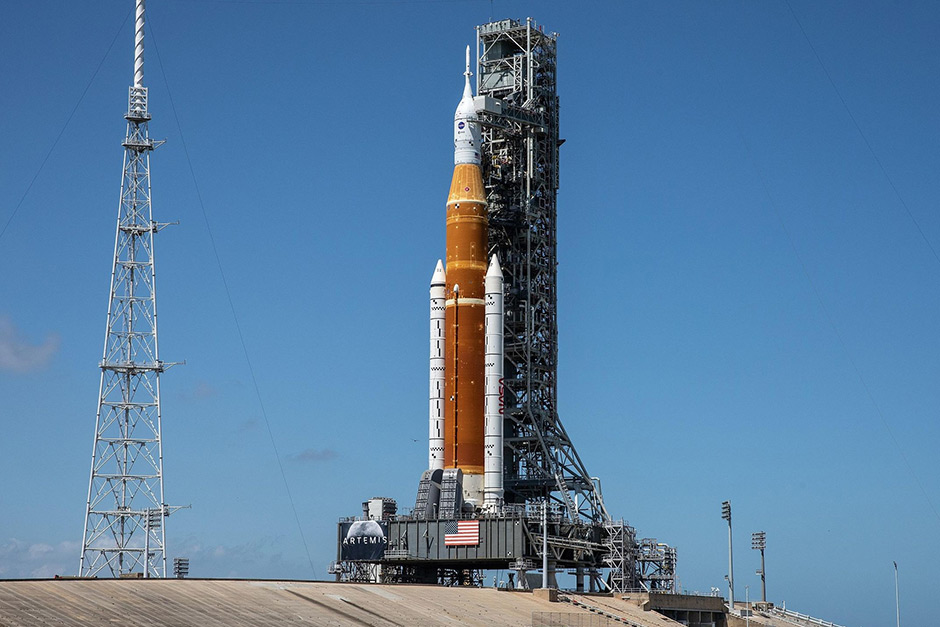
A new chapter in human space exploration is unfolding as NASA’s Artemis II rocket, comprising the powerful Space Launch System (SLS) and the Orion spacecraft, embarks on its journey to Launch Complex 39B. This momentous rollout marks a significant physical step toward the first crewed mission around the Moon in over half a century. It’s an event drawing global attention, underscoring humanity’s enduring drive to explore beyond Earth.
The Artemis II Mission: A Return to Lunar Orbit
Artemis II isn’t just another rocket launch; it’s a critical test flight designed to carry four astronauts on a daring voyage around the Moon and back. This mission serves as a vital precursor to Artemis III, which aims to land humans on the lunar surface. The crew aboard Artemis II will spend approximately ten days in space, venturing further than any human has traveled since Apollo 17 in 1972.
The primary objectives of Artemis II include rigorous testing of Orion’s life support systems, communications, and navigation capabilities in a deep-space environment. It will also put the SLS rocket through its paces with a crew aboard, ensuring all systems are performing optimally before future lunar landing missions. The selected crew members will play an essential role in evaluating the spacecraft’s performance and habitability, providing invaluable data for the long-term sustainability of lunar exploration.
The Journey to the Launch Pad: A Spectacle of Engineering
The process of moving the fully stacked Artemis II rocket from the iconic Vehicle Assembly Building (VAB) to Launch Complex 39B is an engineering marvel in itself. This slow, deliberate journey is undertaken by the Crawler-Transporter 2, a colossal machine designed specifically for this purpose. Weighing millions of pounds and moving at a walking pace, the crawler transports the entire integrated stack over several miles to its final pre-launch position.
This rollout is more than just a logistical exercise; it’s a visual testament to the immense scale and complexity of human spaceflight. For those following live, it offers a tangible sense of the progress being made. “Observing the crawler slowly transport the integrated stack is a powerful reminder of the sheer engineering involved,” noted a long-time NASA engineer. “It’s a foundational step, making months of preparation visually real for everyone.” Once at the pad, the rocket will undergo further critical testing and fueling operations in preparation for its eventual launch.
Paving the Way for Future Lunar Exploration
The Artemis II mission is a cornerstone of NASA’s broader Artemis program, which seeks to establish a sustainable human presence on the Moon and utilize lunar resources to prepare for eventual human missions to Mars. Each step, from the development of the SLS rocket and Orion spacecraft to the meticulous rollout procedures, is designed with these ambitious long-term goals in mind.
By demonstrating the capabilities of the crewed Orion spacecraft and the SLS in a deep-space environment, Artemis II will provide crucial insights necessary for designing future habitats, rovers, and support systems for astronauts living and working on the lunar surface. It represents not just a return to the Moon, but a forward leap into an era of sustained lunar presence and deep-space exploration.
The rollout of NASA’s Artemis II rocket to the launch pad is a moment to observe and appreciate. It signifies that humanity is truly on the cusp of returning astronauts to the vicinity of the Moon, paving the way for future exploration and scientific discovery. Stay tuned as this historic mission continues to unfold, bringing us closer to a new era of space exploration.

