


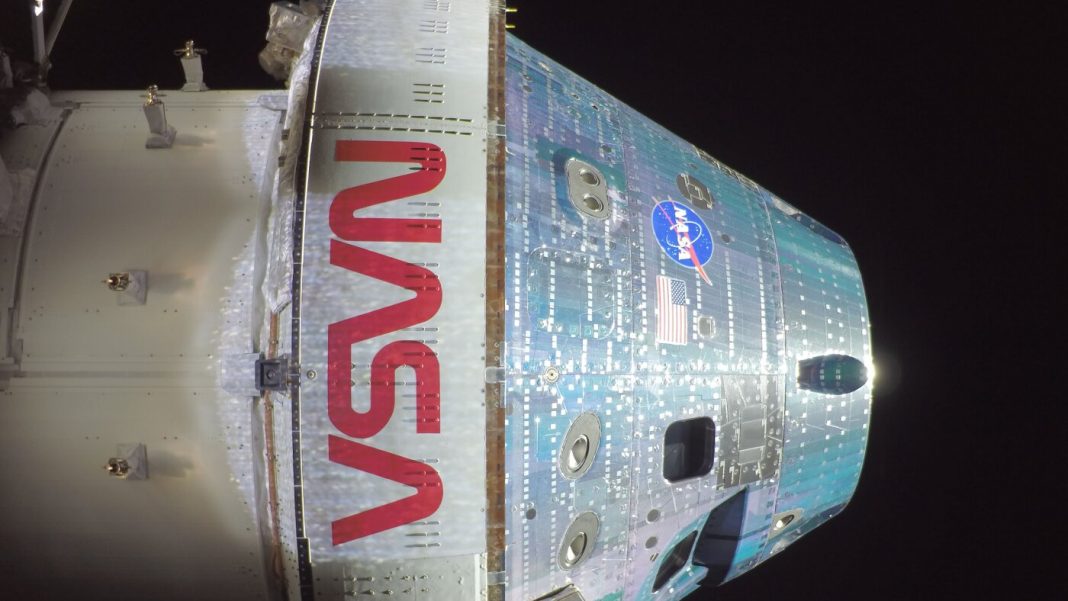
The moon. For centuries, it has gazed down on us, a silent sentinel in the night sky. Now, humanity is once again looking up with renewed purpose, fueled by the incredible efforts of NASA’s Artemis program. The excitement is palpable as the four incredible astronauts of Artemis II gear up for their historic journey: a crucial flyby around our celestial neighbor. This isn’t just another space mission; it’s a testament to human ingenuity, courage, and our unyielding desire to explore.
Meet the Trailblazing Crew Ready for Orbit
The faces of Artemis II are Reid Wiseman, Victor Glover, Christina Koch, and Jeremy Hansen. Each brings a unique blend of experience and dedication to this monumental task. Wiseman, a seasoned Navy pilot and former ISS commander, leads the charge. Glover, a distinguished Navy test pilot, will make history as the first person of color to journey beyond low Earth orbit. Koch, renowned for setting the record for the longest single spaceflight by a woman, continues to break barriers as the first woman to undertake a lunar mission. And Hansen, representing Canada, brings international collaboration to the forefront as the first Canadian to fly to the moon.
Their training has been relentless, a demanding ballet of physical conditioning, technical mastery, and teamwork. From mastering the intricate systems of the Orion spacecraft to simulating emergency procedures, every moment has been geared towards preparing them for the unforgiving environment of deep space. They aren’t just astronauts; they are pioneers, carrying the hopes and dreams of millions as they prepare to venture farther than any human has gone in decades. Their bond, forged in grueling simulations and shared purpose, will be their greatest asset as they embark on this incredible odyssey.
Beyond the Horizon: Why This Mission Is Monumental
While Artemis II won’t land on the moon, its significance cannot be overstated. This mission is a vital dress rehearsal, a crucial test flight for the Orion spacecraft and its critical systems. The crew will spend approximately ten days flying around the moon, meticulously checking every aspect of Orion’s performance – from its life support systems and communication arrays to its navigation and thermal control. They’ll push the spacecraft to its limits, simulating conditions for future moon landings and validating its readiness to transport humans safely through deep space.
This flyby is a stepping stone, paving the way for Artemis III, which aims to land humans on the lunar south pole. More broadly, it’s a critical component of NASA’s long-term vision to establish a sustained human presence on the moon and, eventually, send astronauts to Mars. The data collected, the experiences gained, and the lessons learned from Artemis II will be invaluable in shaping the future of human space exploration.
As one long-time space enthusiast recently shared, “This isn’t just about reaching the moon; it’s about pushing the boundaries of what we thought was possible, step by crucial step. Artemis II is that essential next stride, ensuring we do it safely and successfully for generations to come.” It’s a mission that reminds us that while the journey is challenging, the rewards of discovery are limitless.
The countdown has begun for an incredible chapter in human history. The Artemis II astronauts are not just preparing for a flyby; they are preparing to rekindle our connection with the moon, to inspire a new generation, and to take humanity one giant leap closer to becoming a truly multi-planetary species. Keep your eyes on the skies, because the future of space exploration is unfolding before us, vibrant and full of promise.
*

