


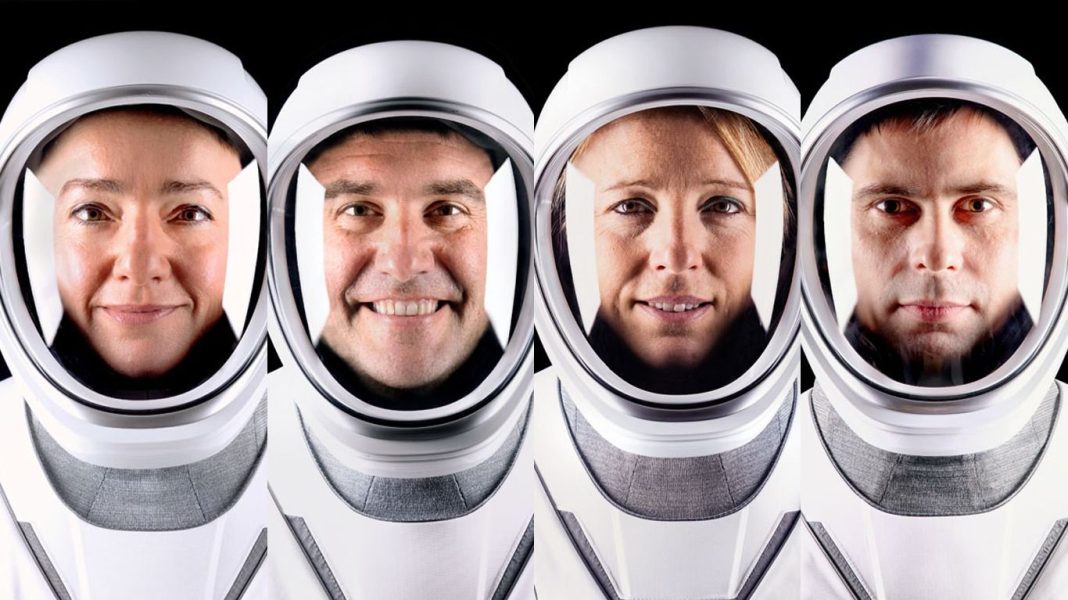
The universe, vast and indifferent, often humbles humanity with its scale. Yet, here on Earth, our endeavors to reach into that cosmos are anything but indifferent. They are intricate, demanding, and often, a delicate balancing act. Right now, all eyes in the space community are on an unfolding cosmic ballet, a choreography of immense ambition and operational precision: NASA’s grand Artemis 2 moon mission and the critical, ongoing work of SpaceX’s Crew-12 launch to the International Space Station.
The Lunar Siren’s Call: Artemis 2 Takes Center Stage
Artemis 2 isn’t just another mission; it’s a monumental step back towards humanity’s lunar destiny. As the first crewed flight test of the Orion spacecraft and the powerful Space Launch System (SLS) rocket, it represents a generational leap. Four astronauts will journey around the Moon, proving out the technologies and capabilities needed for future lunar landings and, eventually, a sustained presence. This mission isn’t merely about setting records; it’s about laying the groundwork for Artemis 3, the mission that will see humans walk on the Moon again. The sheer scale, the enormous resources dedicated, and the national pride invested in Artemis 2 make it an undeniable priority. It commands attention, infrastructure, and a significant portion of NASA’s operational bandwidth.
Crew-12: The Unsung Hero of Earth Orbit
While the Moon beckons with its ancient allure, the International Space Station continues to orbit, a testament to international cooperation and continuous human presence in low Earth orbit. SpaceX’s Crew-12 mission is one of the regular rotations that keeps the ISS fully staffed and operational, ensuring vital scientific research continues uninterrupted. These Crew Dragon missions, while now almost routine, are anything but trivial. They are lifelines, delivering fresh crews and essential supplies, and bringing returning astronauts safely home. Crew-12, like its predecessors, is absolutely critical for maintaining the health and productivity of the orbital outpost. It might not grab headlines like a lunar mission, but its importance is foundational.
Orchestrating the Cosmic Ballet
Herein lies the “delicate dance.” How does NASA, in close partnership with SpaceX, manage to orchestrate two such profoundly important missions, each with its own specific launch windows, ground support requirements, and recovery assets? The Kennedy Space Center, a bustling hub of activity, has finite resources. Launch pads, ground crews, tracking stations, even the ships and personnel required for splashdown recovery – all must be meticulously scheduled and coordinated. Artemis 2, being a first-of-its-kind crewed mission for the SLS/Orion stack, will naturally demand absolute priority and extensive readiness checks. This could potentially create ripple effects for other launches, including Crew-12.
The challenge isn’t just about avoiding a literal collision in space or on the launch schedule; it’s about ensuring each mission receives the focus and resources it needs without compromising safety or success. “It’s like trying to choreograph two world-class ballets on the same tiny stage,” remarked a seasoned aerospace logistics expert. “Every movement, every prop, every performer needs to be in exactly the right place at the right time. NASA and SpaceX are masters of this, but it’s a constant, high-stakes puzzle.” The precision required is astounding, demanding constant communication, flexibility, and a deep understanding of each mission’s unique demands and dependencies.
Ultimately, the successful execution of both Artemis 2 and Crew-12 will be a profound testament to the maturity and ingenuity of modern space exploration. It showcases an incredible capability to balance grand, aspirational goals with the vital, ongoing work of maintaining our presence in space. As we await the thunder of rockets, we’re not just watching machines fly; we’re witnessing a carefully coordinated human endeavor, a testament to intricate planning and unwavering dedication to the stars.

