


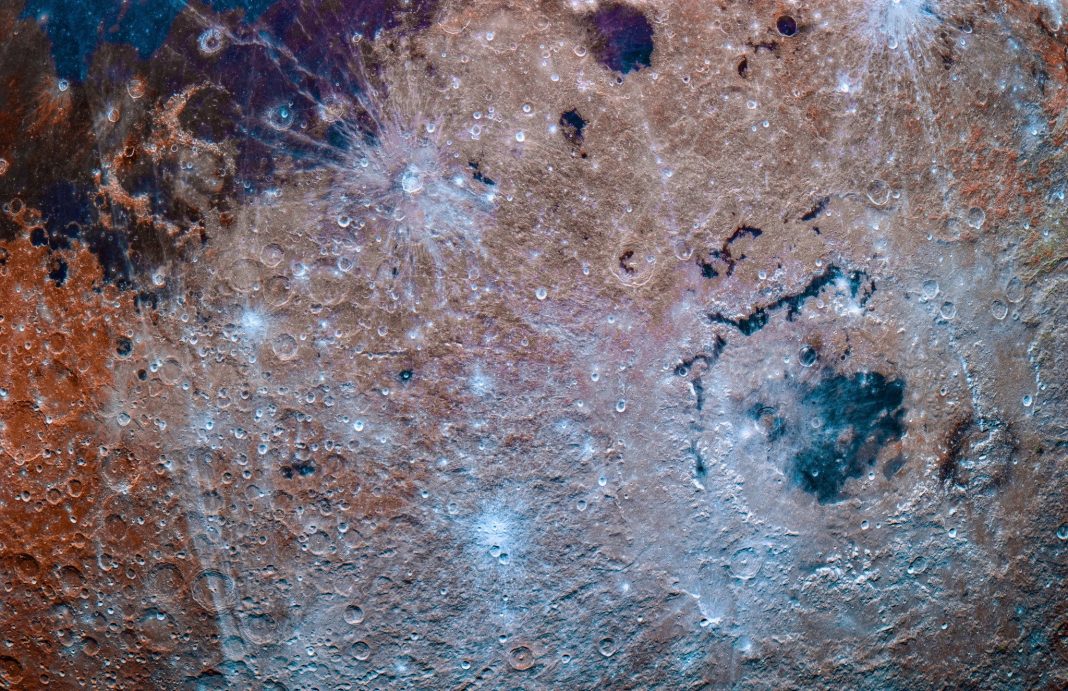
The moon, our closest celestial neighbor, has always held an irresistible allure. Yet, for all its familiarity, one side remains shrouded in mystery for most of human history: the far side. Now, an extraordinary collaboration on NASA’s upcoming Artemis II mission promises to unveil this hidden landscape in unprecedented detail. Imagine combining the precision and perspective of a seasoned astronaut with the artistic eye and technical prowess of an astrophotographer. The result? A breathtaking series of images poised to redefine our understanding and appreciation of our lunar companion.
A Unique Pairing for a Lunar Voyage
The Artemis II mission is more than just a journey around the Moon; it’s a testament to human ingenuity and our enduring drive to explore. Central to this visual spectacle is the synergy between the mission’s commander and an acclaimed astrophotographer. This isn’t merely about pointing a camera; it’s about a deliberate, artistic, and scientific endeavor. The commander, intimately familiar with the unique vantage point of deep space and trained in orbital mechanics, offers an unparalleled opportunity for stable, planned shots. Paired with an astrophotographer, whose expertise lies in maximizing detail, light, and composition in extreme environments, the stage is set for a visual feast.
This collaboration transcends traditional mission photography. It’s about blending the rigorous demands of spaceflight with the nuanced art of capturing light across vast distances. The equipment itself is a marvel, designed to withstand the harsh vacuum and temperature extremes while delivering optical clarity that would be impossible from Earth. This thoughtful preparation ensures that when Artemis II swings around the lunar far side, every photon captured will contribute to an image of unparalleled quality.
Unveiling the Hidden World: Art Meets Science
The moon’s far side is not just the “dark side”; it’s a geologically distinct region, scarred by ancient impacts and lacking the vast, smooth maria that characterize the near side. Capturing it with such clarity offers immense scientific value. These never-before-seen shots will provide invaluable data for lunar geologists studying impact history, crustal composition, and potential future resource locations. Beyond the scientific data, however, lies the profound artistic impact.
These images are poised to inspire awe, offering humanity a fresh, intimate perspective on a part of the Moon few have truly comprehended. “It’s one thing to see data points or abstract maps,” remarks a simulated expert in space imagery, “but to witness the raw, untamed beauty of a world rarely gazed upon, captured with such masterful precision from the very edge of space, fundamentally changes our connection to it.” The intricate play of light and shadow across ancient craters, the subtle textures of the lunar regolith – these are elements that only a truly dedicated photographic eye, combined with the commander’s unique perspective, can truly bring to life. This convergence of high-stakes space exploration and high-art photography promises to deliver images that will not only advance science but also ignite the imagination of millions.
The mission goes beyond simple observation; it’s about crafting a visual narrative, transforming scientific data into compelling imagery that resonates with a global audience. These photographs will serve as a powerful reminder of our capacity for wonder and the endless frontiers awaiting our exploration.
The collaboration between the Artemis II commander and the astrophotographer is a testament to the power of interdisciplinary effort. By combining the unique insights of space exploration with the refined skill of astrophotography, they are set to deliver not just pictures, but a profound new window into the mysteries of our moon’s far side. These images will undoubtedly become iconic, inspiring a new generation of scientists, artists, and dreamers to look up and wonder what else lies beyond our immediate gaze, fueling humanity’s journey back to the Moon and beyond.

