


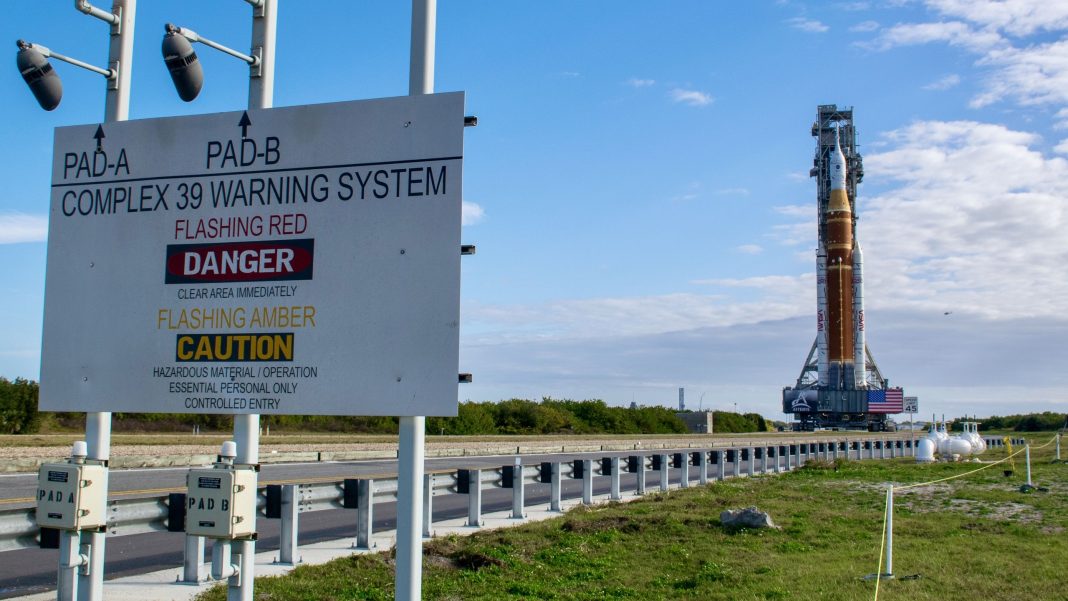
The countdown has officially begun for one of the most pivotal tests in NASA’s ambitious Artemis program: the crucial fueling test for the Artemis 2 Space Launch System (SLS) rocket. While it might sound like a routine procedure, this isn’t just about topping off a tank; it’s a high-stakes dress rehearsal, a meticulous dance with super-cold propellants that will ultimately pave the way for humanity’s return to the Moon and beyond. For space enthusiasts and those tracking the future of exploration, this test is a breathtaking step.
The Cryogenic Crucible: A Test of Endurance and Precision
At the heart of this test lies the immense challenge of handling cryogenic propellants. The SLS core stage, a marvel of modern engineering, needs to be loaded with hundreds of thousands of gallons of liquid hydrogen and liquid oxygen – fuels kept at incredibly low temperatures, far below freezing. This isn’t like filling up a car; it’s a complex, multi-hour process involving intricate plumbing, precise temperature management, and continuous monitoring by teams of engineers and technicians.
The objective is clear: demonstrate that the ground systems and the rocket itself can safely and reliably handle the immense thermal stresses and procedural demands of loading these volatile propellants. Any leaks, unexpected pressure fluctuations, or temperature anomalies during this process could signal potential issues that need to be addressed before a crew ever steps foot inside the Orion capsule. It’s about pushing the system to its operational limits, simulating the intense conditions it will face on launch day, ensuring every component performs as expected under extreme stress.
Learning from Experience, Fueling the Future
This isn’t NASA’s first rodeo with an SLS fueling test. The experiences gained during the multiple wet dress rehearsals for the uncrewed Artemis 1 mission provided invaluable data and lessons learned. Those tests, while sometimes challenging and leading to delays, ultimately informed critical modifications and refined procedures, contributing to Artemis 1’s successful maiden flight. The Artemis 2 test builds directly on that foundation, incorporating those insights and focusing on the specifics required for a crewed mission.
The data collected from this test will be scrutinized down to the last byte. It will inform everything from launch day timelines to emergency protocols, ensuring that when the four astronauts of Artemis 2 climb aboard, every possible contingency has been considered and mitigated. As one veteran NASA engineer remarked, “Every drop of propellant, every sensor reading, tells us something vital. This isn’t just a test; it’s our meticulous blueprint for human safety in deep space. We’re building confidence one precise step at a time.” This meticulous approach underscores the immense responsibility NASA bears as it prepares to send humans deeper into space than ever before.
Beyond the Fuel Tank: A Giant Leap for Humanity
While the immediate focus is on successful cryogenic loading, the implications of this test stretch far beyond the fuel tank. A successful outcome validates the readiness of the entire launch complex, the ground crews, and the powerful SLS rocket itself for human spaceflight. It’s a critical checkpoint on the path to Artemis 2, the mission that will carry astronauts around the Moon, proving the systems and procedures for future lunar landings and ultimately, Mars.
This fueling test is more than just a technical exercise; it’s a testament to human ingenuity and perseverance. It represents the meticulous effort, countless hours, and unwavering dedication required to push the boundaries of exploration. When the final valves are closed and the data is analyzed, a successful test will bring us one monumental step closer to hearing the roar of the SLS carrying its precious human cargo towards the Moon once more. The world watches, not just for the spectacle, but for the profound progress it signifies for our shared future among the stars.
*

