


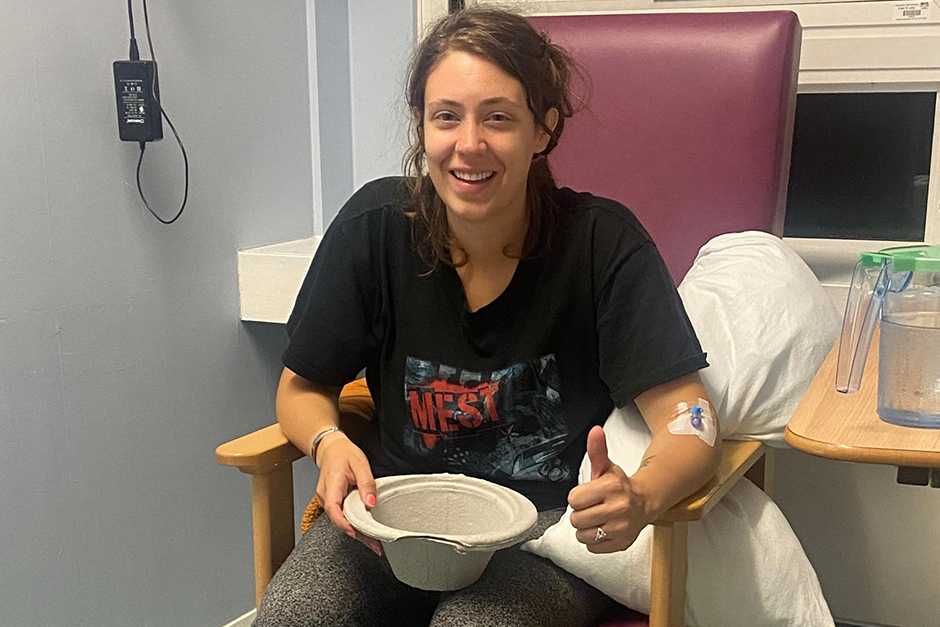
Beating cancer is an incredible victory, a testament to medical science, personal resilience, and the unwavering support of loved ones. The relief is immense, the gratitude profound. My doctors, truly, were heroes in white coats, navigating me through complex treatments, countless appointments, and the terrifying unknown. They saved my life, and for that, I will be eternally grateful.
Yet, as the cheers for my survival slowly faded, a new, unexpected battle began – one my medical team, for all their brilliance, seemed ill-equipped to address: the sudden, brutal onset of crash menopause. It’s a side effect often glossed over, a quiet aftershock that can shake a survivor’s quality of life to its core, and for which solutions feel frustratingly out of reach.
The Invisible Aftermath: When Treatment Triggers a Tidal Wave
For many cancer survivors, especially those treated for breast or gynecological cancers, or those who undergo certain types of chemotherapy or radiation, the cessation of ovarian function isn’t a gradual slide but an abrupt plunge. It’s not the gentle descent of natural menopause; it’s a “crash” – an immediate, intense tidal wave of symptoms that can be profoundly debilitating. Imagine waking up one day, often mid-treatment, to relentless hot flashes that drench you, night sweats that steal your sleep, and a brain fog so thick you can’t remember why you walked into a room. Add to that joint pain that makes simple movements agonizing, vaginal dryness that makes intimacy impossible, and mood swings that feel like a cruel joke after battling for your life.
This isn’t just discomfort; it’s a dramatic shift in physiological and psychological well-being. My body, which had just fought tooth and nail against a life-threatening disease, was now betraying me in new, unexpected ways. The fatigue from chemotherapy often blends seamlessly into the bone-deep exhaustion of sleep-deprived menopause, creating a cycle of relentless physical and mental drain. It feels like a silent epidemic among survivors, often overshadowed by the larger narrative of survival itself.
A Post-Cancer Care Blind Spot: The Unmet Need for Menopause Management
During active cancer treatment, the focus is, understandably, on eradication. Every appointment, every discussion, revolves around tumor markers, treatment efficacy, and preventing recurrence. And rightly so. But once the bells ring and you’re declared “NED” (No Evidence of Disease), the comprehensive care often thins out. The expertise that guided me through chemotherapy and surgery doesn’t seem to extend to the intricacies of sudden hormonal collapse.
The challenge is multifaceted. For many cancer types, particularly hormone-receptor-positive breast cancers, standard menopausal treatments like Hormone Replacement Therapy (HRT) are absolutely contraindicated, as they could fuel a recurrence. This leaves doctors, and by extension, patients, in a difficult position. “Our primary focus during active treatment is survival,” notes Dr. Anya Sharma, an oncologist specializing in survivorship care. “We are only now beginning to understand and systematically address the complex long-term effects, like medically induced menopause, and the need for safe, effective solutions for a uniquely vulnerable population.” This highlights a systemic gap: a lack of specialized knowledge, research, and dedicated resources for managing menopausal symptoms in cancer survivors who often cannot use conventional remedies.
We are left searching for alternative therapies, often navigating a confusing landscape of supplements, lifestyle changes, and off-label prescriptions, with little clear guidance or endorsement from our primary oncology teams. It’s a solitary journey, often characterized by trial and error, desperation, and the lingering sense that while our lives were saved, the quality of that saved life isn’t fully supported.
Beyond Survival: Advocating for Wholistic Wellness
My gratitude for being alive is boundless. But gratitude shouldn’t silence the need for better, more comprehensive care. Cancer survivorship must evolve beyond mere eradication to encompass genuine well-being. We need more research into safe, effective, non-hormonal treatments for medically induced menopause in cancer survivors. We need oncologists and general practitioners to be better educated on these specific challenges, and for survivorship care plans to include clear, actionable strategies for managing these debilitating symptoms.
For those of us living this reality, it means continuing to advocate for ourselves, sharing our stories, and demanding that our quality of life receives as much attention as our initial prognosis. We fought to live; now it’s time to fight to live well.

