


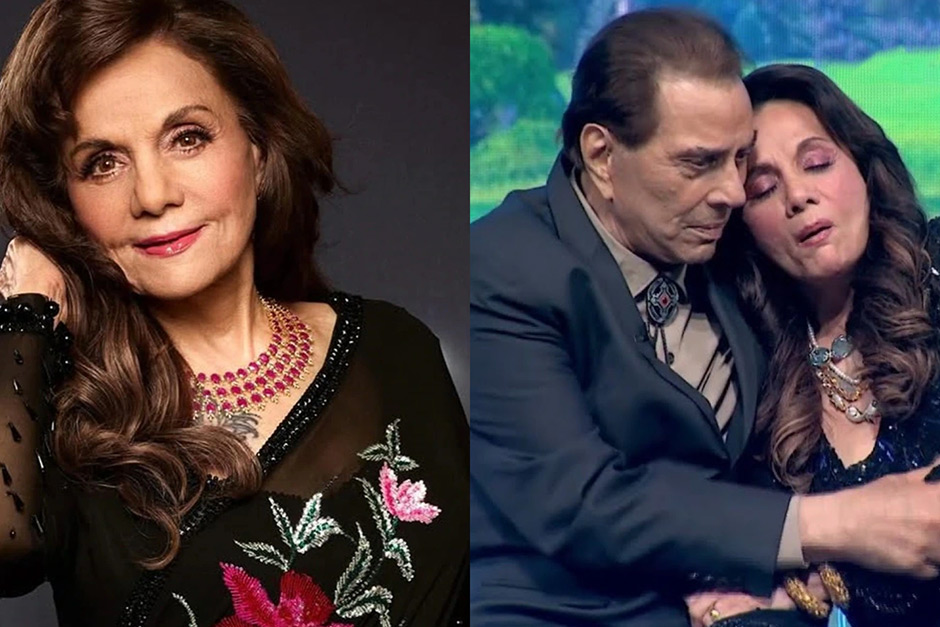
Veteran Bollywood actress Mumtaz, a timeless icon known for her effervescent screen presence and distinct charm, recently made headlines with surprisingly candid revelations about the financial aspects of her illustrious career. During her much-anticipated appearance on the popular reality show Indian Idol, alongside the legendary Dharmendra, Mumtaz offered an unprecedented peek behind the curtain of celebrity earnings, both past and present. Her statements, particularly concerning a substantial fee for her recent TV appearance and her past rejection of a monumental film like Seeta Aur Geeta over monetary disputes, have sparked considerable discussion across the industry and among fans, underscoring the enduring power of star appeal and its commercial valuation.
A Star’s Return: The Price of a Special Appearance
Mumtaz’s recent guest appearance on Indian Idol was a nostalgic treat for millions, reuniting her on screen with her frequent co-star, Dharmendra. The duo’s camaraderie and shared memories provided several heartwarming moments for viewers. However, it was Mumtaz’s subsequent disclosure of the remuneration for this appearance that truly resonated. She openly stated that she was paid a staggering Rs 18 to 20 lakh for her presence on the show. This revelation offers a rare glimpse into the contemporary economics of celebrity guest spots on television, highlighting the significant financial investment channels are willing to make to bring legendary figures back into the limelight.
For an actress who largely stepped away from the industry decades ago, this figure underscores the enduring brand value and appeal that a veteran like Mumtaz commands. It reflects a modern industry where star power, even from an era gone by, is a highly monetized commodity. Her candidness challenged the often-opaque nature of celebrity earnings, providing a tangible figure that few artists, especially those from the golden age of cinema, openly discuss. The sum not only acknowledges her legacy but also positions her appearance as a major draw, justifying the network’s expenditure in an increasingly competitive entertainment landscape.
The Seeta Aur Geeta Revelation: Valuing Stardom
Perhaps even more startling than her Indian Idol fee was Mumtaz’s anecdote about the iconic 1972 film Seeta Aur Geeta. The Ramesh Sippy directorial, which became a blockbuster and cemented Hema Malini’s status as a superstar, originally sought Mumtaz for the dual lead roles. Mumtaz revealed she was offered a fee of Rs 25,000 to Rs 30,000 for the film, a sum she deemed far too low given her stature as a leading actress at the time. She recounted demanding Rs 2.5 lakh, a figure that was reportedly ten times the initial offer and significantly higher than what any actress was being paid at that point.
Her refusal was not merely about the amount but a clear statement on the value she placed on her work and star power. Mumtaz was a top-tier actress with a string of hits, and she believed her market rate reflected that. This bold move, prioritizing her perceived worth over a potentially iconic role, showcases a remarkable business acumen. She famously quipped, “Paisa pheko, tamasha dekho!”, emphasizing her belief that talent and star power deserved commensurate remuneration. While the role eventually went to Hema Malini, catapulting her to immense fame, Mumtaz’s decision highlights a pivotal moment where an actress consciously chose financial self-respect over cinematic opportunity, setting a precedent for future negotiations, even if indirectly.
Navigating Legacy and Commercial Appeal
Mumtaz’s revelations serve as a fascinating commentary on the evolution of celebrity valuation in Indian cinema. Her stand on Seeta Aur Geeta demonstrates that even half a century ago, top actors possessed a keen understanding of their market value and were willing to walk away if their demands were not met. This was a significant departure from an era where artists often worked under less formalized financial structures. Fast forward to today, her Rs 18-20 lakh fee for a single TV appearance illustrates how the industry has adapted to leverage nostalgia and iconic status, transforming a brief guest spot into a lucrative proposition for a living legend.
Her candour provides valuable insight into the often-hidden financial negotiations that shape the entertainment industry. It reminds us that while artistic expression is paramount, the commercial aspects are inextricably linked, dictating opportunities and decisions for even the most celebrated stars. Mumtaz’s open discourse encourages a broader conversation about fair compensation, the legacy of star power, and how veteran artists continue to command respect and remuneration in an ever-changing media landscape.
Ultimately, Mumtaz’s recent statements peel back layers of industry secrecy, offering a refreshing and bold perspective on the business of being a star in India. Her message is clear: whether in her heyday or during a grand comeback, talent and star power come with a price, and she has always been unafraid to demand her worth.

