


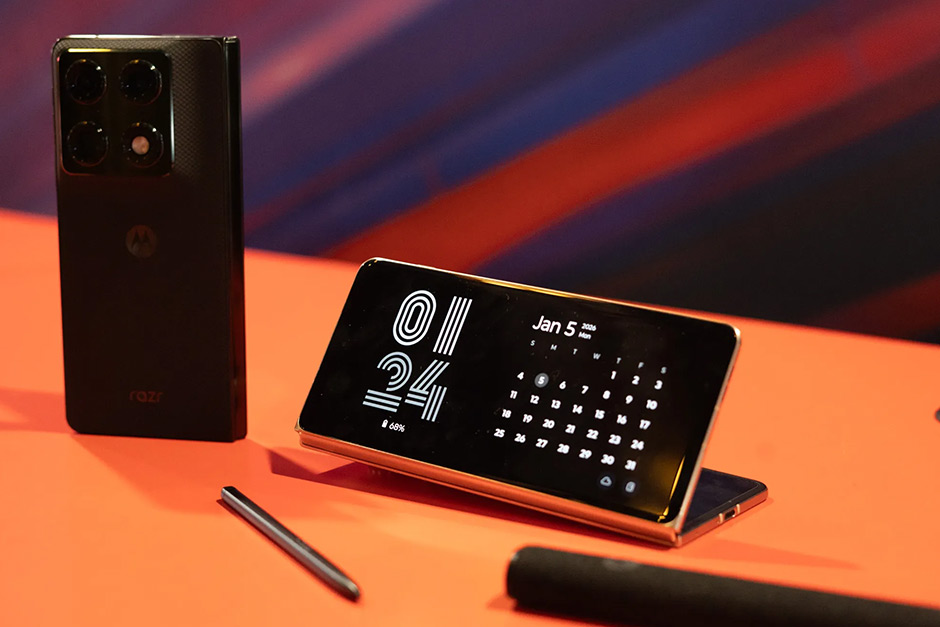
The world of foldable smartphones continues its rapid evolution, and a familiar name is now folding into a new shape. Motorola, a pioneer in the original flip phone era and a strong contender in the clamshell foldable market with its Razr series, has officially unveiled its first device in the book-style foldable category. This expansion marks a significant step for the brand, placing it in direct competition with established players offering larger, tablet-like experiences that fold into a conventional smartphone size. The hardware itself promises an intriguing entry, but as is often the case with emerging technologies, one significant question hovers over its full potential.
A New Fold in Motorola’s Strategy
Motorola’s latest offering represents a departure from its current foldable portfolio. While the Razr line focuses on compact nostalgia, this new device embraces the expansive screen real estate characteristic of book-style folds. This means users will find a large, immersive internal display, reminiscent of a small tablet, perfectly suited for multitasking, media consumption, and productivity. When folded, a capable outer screen provides quick access to notifications, widgets, and basic tasks without needing to fully open the device.
Preliminary details suggest a strong hardware foundation, featuring a high refresh rate on both displays, a capable camera array, and a modern processor designed to handle the demands of a foldable form factor. The design aesthetic appears refined, maintaining Motorola’s signature blend of practicality and premium feel. It’s clear that the company has invested heavily in creating a physically impressive device capable of standing alongside its rivals in terms of build quality and core specifications. This move demonstrates Motorola’s ambition to capture a larger share of the premium smartphone market, particularly among users seeking the versatility that only a book-style foldable can offer.
The Lingering Question: Software Experience
While the hardware specifications and design are compelling, the true test for any foldable, especially one with a large internal display, lies in its software. This is where Motorola faces its biggest challenge and where the primary question mark remains. Unlike traditional smartphones, book-style foldables demand highly optimized software to fully leverage their unique form factor. This includes seamless app continuity between the external and internal screens, intuitive multitasking capabilities like split-screen and floating windows, and adaptations for applications to scale and perform optimally on varying display sizes.
Motorola has historically leaned towards a near-stock Android experience on many of its devices, often lauded for its simplicity and lack of bloatware. However, the complexities of a book-style foldable necessitate a deeper level of customization and thoughtful UX design. Competitors in this space have spent multiple generations refining their software overlays to enhance productivity and usability on large foldable screens, offering features like robust desktop modes, integrated stylus support, and a plethora of gestures designed specifically for the form factor. The success of Motorola’s book-style fold will largely depend on how elegantly and effectively its software bridges the gap between a phone and a tablet. As one tech observer noted, “Hardware is only half the battle; the software experience on a large foldable screen can make or break the daily use.” Will Motorola’s approach be minimalist and intuitive, or will it feel underdeveloped compared to more mature foldable interfaces?
Motorola’s entry into the book-style foldable market is undoubtedly exciting and injects fresh competition into a rapidly growing segment. The hardware looks promising, poised to offer a compelling alternative to what’s currently available. However, the ultimate user experience will hinge on the accompanying software. How well Motorola addresses the unique demands of a large, folding display will determine its standing against seasoned players and dictate whether this new fold truly elevates the brand’s position in the premium smartphone landscape.

