


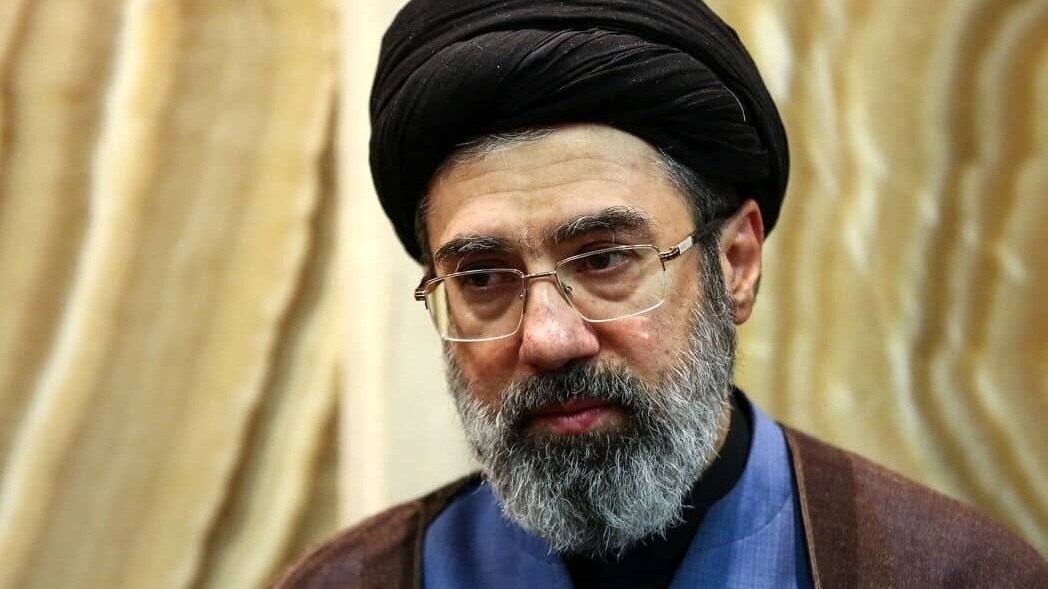
The intricate and often opaque world of Iranian politics has once again captured global attention, this time with unconfirmed but significant reports emerging about the health and political standing of Mojtaba Khamenei, the influential son of Iran’s Supreme Leader, Ayatollah Ali Khamenei. Reports suggest Mojtaba Khamenei is currently unconscious and not involved in decision-making, a development that, if true, could profoundly reshape the already intense succession debates within the Islamic Republic. For observers in India and across the globe, these developments hold considerable weight, given Iran’s pivotal role in regional stability and its strategic importance.
The Shadow of Succession: Mojtaba Khamenei’s Perceived Role
For years, Mojtaba Khamenei has been a subject of intense speculation regarding his potential to succeed his aging father, who at 85, is the second-longest-serving Supreme Leader in Iran’s history. While Ayatollah Ali Khamenei has never publicly endorsed a successor, Mojtaba’s deep involvement in his father’s office, his connections within the powerful Islamic Revolutionary Guard Corps (IRGC), and his reported influence over key decisions have positioned him as a formidable, albeit controversial, candidate. Unlike his father, who rose through the clerical ranks before becoming Supreme Leader, Mojtaba’s clerical credentials are often debated, leading to some internal opposition to his potential ascent.
The recent reports, primarily circulated by opposition media outlets based outside Iran, claim that Mojtaba Khamenei is in an unconscious state, effectively sidelining him from any active political participation. This news comes at a time when the question of succession is more pressing than ever, with concerns about the Supreme Leader’s own health frequently surfacing. Should these reports be accurate, it would undoubtedly alter the dynamics of the succession race, potentially opening pathways for other prominent figures within Iran’s clerical and political establishment. The very notion of his incapacitation challenges the carefully constructed narrative around his influence and readiness for the highest office, creating a vacuum of uncertainty at a critical juncture for the nation.
Unpacking the Reports: Credibility and Secrecy
Information from within Iran, especially concerning the health of its top leadership or sensitive political matters, is notoriously difficult to verify independently. The Iranian government and state media typically maintain a tight lid on such news, often denying or simply not commenting on reports from external sources, particularly those deemed hostile. This environment of secrecy means that reports like those concerning Mojtaba Khamenei often circulate widely through unofficial channels and opposition media, making definitive confirmation elusive.
Analysts worldwide remain cautious, understanding the complexities of verifying such sensitive information. The lack of official statements from Tehran or independent corroboration underscores the challenge. However, even unconfirmed reports can spark significant political ripples, influencing perceptions both domestically and internationally. The implications for Iran’s political stability and future direction are profound, regardless of immediate official confirmation.
“The opaque nature of Iranian politics, particularly concerning the health of its top leadership, means such reports, while unconfirmed, create significant ripples. The succession question is paramount, and any news concerning key figures like Mojtaba inherently carries immense weight for the future direction of the Islamic Republic.” – Dr. Sameer Khan, a Delhi-based geopolitical analyst specializing in West Asia.
Regional Implications and India’s Stake
Any sign of political instability or uncertainty within Iran resonates across the wider Middle East and beyond. Iran’s role as a regional power, its influence in countries like Iraq, Syria, Lebanon, and Yemen, and its ongoing nuclear program make its internal dynamics a subject of intense international scrutiny. For India, a stable Iran is a strategic imperative. India maintains historically cordial relations with Iran, underpinned by robust economic ties and crucial geopolitical interests.
The Chabahar Port, a cornerstone of India’s connectivity initiatives like the International North-South Transport Corridor (INSTC), relies heavily on a stable and predictable political environment in Iran. Developments that create uncertainty around Iran’s leadership could impact these long-term projects and India’s broader engagement in Central Asia and Afghanistan. Indian policymakers and strategic thinkers will be closely monitoring the situation, understanding that any significant shift in Iran’s leadership structure could have cascading effects on regional security, energy pathways, and India’s diplomatic maneuvering in a complex neighbourhood.
As the reports continue to circulate, the world watches for clearer signals from Tehran. While the truth behind Mojtaba Khamenei’s health and political status remains shrouded in secrecy, the very existence of these reports highlights the deep anxieties surrounding Iran’s future leadership. For now, the intricate dance of power and succession in Tehran continues, with every whisper and rumour holding the potential to shape the destiny of a nation at the heart of a volatile region.

