


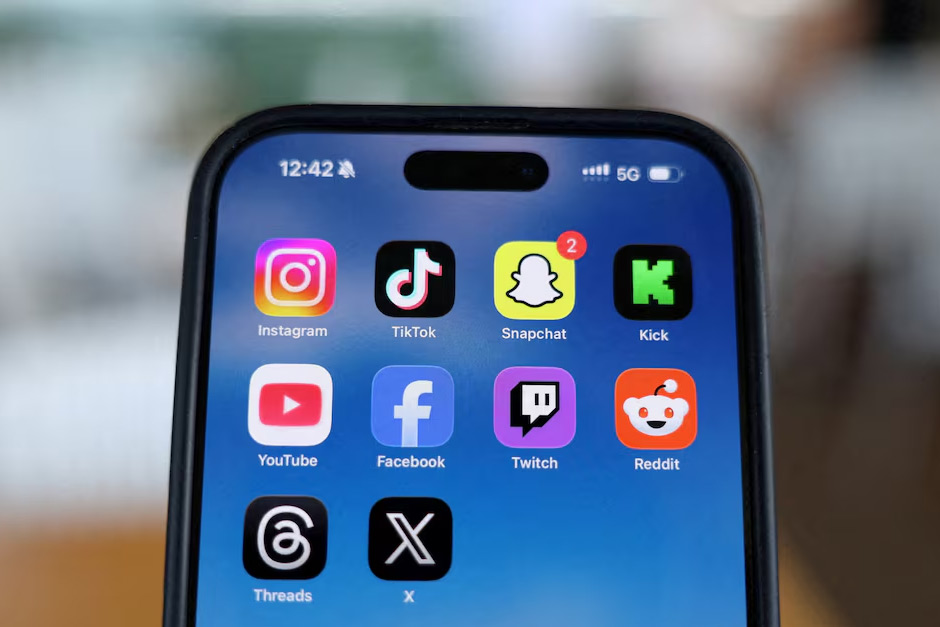
A recent proposal by a prominent figure within a party allied with India’s ruling BJP has ignited a fervent debate across the nation: a complete ban on social media access for teenagers. The proposition, emerging from concerns over the burgeoning impact of digital platforms on young minds, academic performance, and mental well-being, seeks to implement a strict age restriction that would effectively bar Indian teens from popular social media sites.
This bold suggestion arrives amidst growing global apprehension regarding screen time and its effects on adolescents. In India, a nation with one of the world’s largest youth populations and rapidly expanding internet penetration, the discussion carries particular weight, highlighting the complex challenge of balancing digital engagement with safeguarding the next generation.
The Proposal: A Quest for Digital Safety
The core of the proposal centers on creating a legislative framework that would prohibit individuals under a certain age – likely 18 – from creating or maintaining social media accounts. Proponents of the ban, including the unnamed allied leader, articulate a vision of protecting teenagers from a multitude of perceived online harms. These include exposure to inappropriate content, cyberbullying, the pressure of curated online personas leading to anxiety and depression, and the erosion of focus detrimental to academic pursuits. The argument posits that an outright ban would create a crucial window during formative years, allowing teens to develop critical thinking and social skills in the real world, unburdened by digital distractions and pressures.
The intent is undeniably rooted in a concern for youth welfare, mirroring sentiments expressed by various parent groups, educators, and mental health professionals who have observed a rise in issues like addiction to devices and social media-induced stress. By enforcing such a ban, the hope is to foster environments conducive to healthier development and more meaningful offline interactions, thereby equipping young Indians with a stronger foundation before they navigate the complexities of the digital realm.
Navigating the Digital Divide: Challenges and Criticisms
While the proposal’s underlying intent is to protect, its practical implementation and potential repercussions have drawn significant criticism and raised numerous questions. Digital rights activists and technology experts quickly point out the immense difficulty in enforcing such a blanket ban. Issues of age verification on global platforms, the use of VPNs to circumvent restrictions, and the sheer volume of users make a complete ban seem largely impractical and easily bypassible.
Beyond feasibility, critics argue that an outright ban might do more harm than good. For today’s digital natives, social media platforms are not merely entertainment hubs but also vital channels for information, education, skill development, and social connection. Removing access could isolate teens, particularly those in remote areas, from crucial learning opportunities and peer support networks, especially in a post-pandemic world where online interactions have become integral. Furthermore, concerns have been raised about freedom of expression and the potential for increased surveillance if the state attempts to monitor and enforce such a ban.
Dr. Priya Sharma, a Chennai-based child psychologist specializing in digital wellness, commented, ‘While the intent to protect our youth is commendable, an outright ban risks isolating them and denying them opportunities for digital literacy and responsible online engagement. We need education, not exclusion. Empowering parents, fostering critical thinking, and promoting digital citizenship are far more sustainable solutions than a prohibitive approach.’
The Road Ahead: A Complex Policy Landscape
The debate surrounding this proposal underscores a critical juncture for India as it navigates the rapid evolution of technology and its societal impact. While the government has yet to officially endorse or reject the idea, it is clear that any policy consideration would necessitate extensive stakeholder consultation, weighing the ethical, practical, and developmental implications.
Instead of an outright ban, many experts advocate for a multi-pronged approach that emphasizes digital literacy, parental guidance, robust content moderation by platforms, and educational initiatives within schools. Such strategies aim to equip teens with the tools to navigate the online world safely and responsibly, rather than creating a digital wall that could potentially hinder their growth and access to information. The discussion is a stark reminder that as India strides towards a digitally empowered future, nuanced and balanced policies are essential to nurture a generation that is both protected and proficient in the evolving digital landscape.
—

