


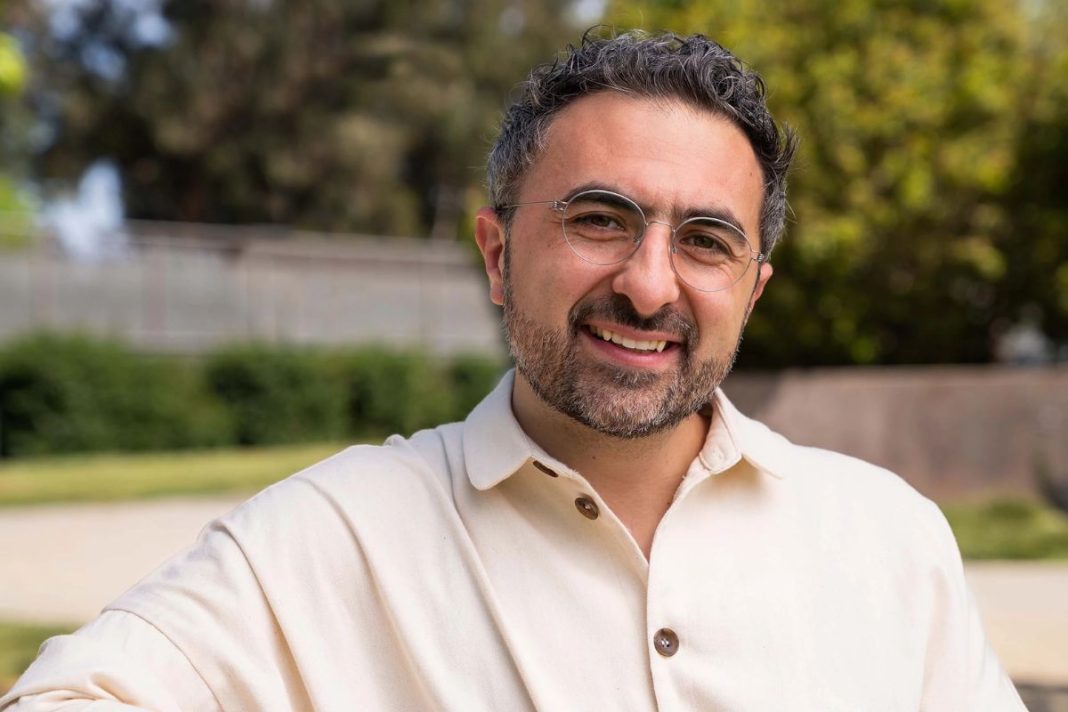
The global race for artificial intelligence supremacy is intensifying, with tech giants pouring billions into developing the next generation of intelligent systems. A recent report indicates a bold ambition from Microsoft’s AI chief, Mustafa Suleyman, aiming to deliver “state-of-the-art AI models” by 2027. This ambitious timeline not only sets a significant benchmark in the rapidly evolving AI landscape but also carries profound implications for countries like India, which are at the cusp of an AI-driven transformation.
Microsoft’s 2027 Vision: Redefining AI Capabilities
According to the report, Mustafa Suleyman, who recently joined Microsoft to head its consumer AI efforts and previously co-founded DeepMind and Inflection AI, has set an aggressive target for the company. His vision is to produce AI models by 2027 that are significantly more advanced than anything currently available, potentially heralding a new era of artificial general intelligence (AGI). The term “state-of-the-art” in this context refers to AI models possessing capabilities far beyond current large language models (LLMs)—models that can not only understand and generate human-like text but also exhibit advanced reasoning, multimodal comprehension (understanding images, audio, video alongside text), and potentially even autonomous goal-seeking abilities.
This push is part of Microsoft’s broader strategy to cement its leadership in AI, building on its substantial investments in OpenAI and its own internal research and development. The tech giant is reportedly mobilizing vast compute resources, talent, and strategic partnerships to meet this demanding goal. Such advancements could fundamentally alter how industries operate, how individuals interact with technology, and how complex problems are solved globally. For India, a nation rapidly digitizing and embracing AI across sectors, Microsoft’s accelerated timeline presents both immense opportunities and a compelling call to prepare for a future shaped by highly sophisticated AI.
India at the Forefront: Opportunities and Preparedness
India, with its vast talent pool, burgeoning startup ecosystem, and growing digital economy, stands to be a significant beneficiary and contributor to this global AI evolution. The availability of advanced AI models by 2027 could catalyze innovation across various Indian sectors. In healthcare, these models could revolutionize diagnostics, drug discovery, and personalized treatment plans, making quality healthcare more accessible even in remote areas. For agriculture, AI could offer unprecedented precision in crop management, pest detection, and yield prediction, directly benefiting millions of farmers. The education sector could see personalized learning experiences, intelligent tutoring systems, and content generation tailored to India’s diverse linguistic landscape.
However, leveraging these future models effectively will require significant preparedness. India will need to continue investing heavily in digital infrastructure, including high-speed internet and robust data centres. Furthermore, skilling and reskilling the workforce to design, deploy, and manage these advanced AI systems will be paramount. The ethical implications, including data privacy, algorithmic bias, and job displacement, will also demand careful consideration and proactive policy-making.
“This aggressive timeline from Microsoft underscores the urgency and scale of the global AI race. For India, it presents both immense opportunities and a pressing need to accelerate our own AI infrastructure, talent development, and regulatory frameworks to effectively leverage these advanced models, ensuring inclusive growth and innovation,” says Dr. Priya Sharma, a leading AI policy analyst based in Bengaluru.
Navigating the Challenges: Ethics, Infrastructure, and Local Innovation
While the prospect of highly advanced AI is exciting, the journey to 2027 will not be without its challenges. The development of truly “state-of-the-art” models requires colossal computational power, massive and diverse datasets, and the most brilliant minds in the field. Ethical considerations are paramount; ensuring these powerful AI systems are developed and deployed responsibly, free from biases, and aligned with human values will be critical. Microsoft, like other leading AI firms, faces the immense task of not only building powerful AI but also embedding robust safety mechanisms from the ground up.
For India, the challenge lies in fostering an environment where global AI advancements can be adopted while simultaneously nurturing indigenous AI innovation. This involves encouraging research and development in domain-specific AI solutions relevant to India’s unique socio-economic context, supporting AI startups, and developing frameworks that balance innovation with ethical governance. The goal is not just to consume AI technology but to actively participate in shaping its future, ensuring that the benefits are widespread and equitable across the nation.
The reported ambition of Microsoft’s AI chief to deliver state-of-the-art AI models by 2027 marks a pivotal moment in the AI narrative. It signals an accelerated pace of innovation that will undoubtedly reshape industries and societies worldwide. For India, this development is a powerful impetus to fortify its position in the global AI landscape, transforming potential into progress through strategic investment, talent development, and responsible AI governance. The next few years promise to be transformative, with India having a unique opportunity to lead in the intelligent future.

