


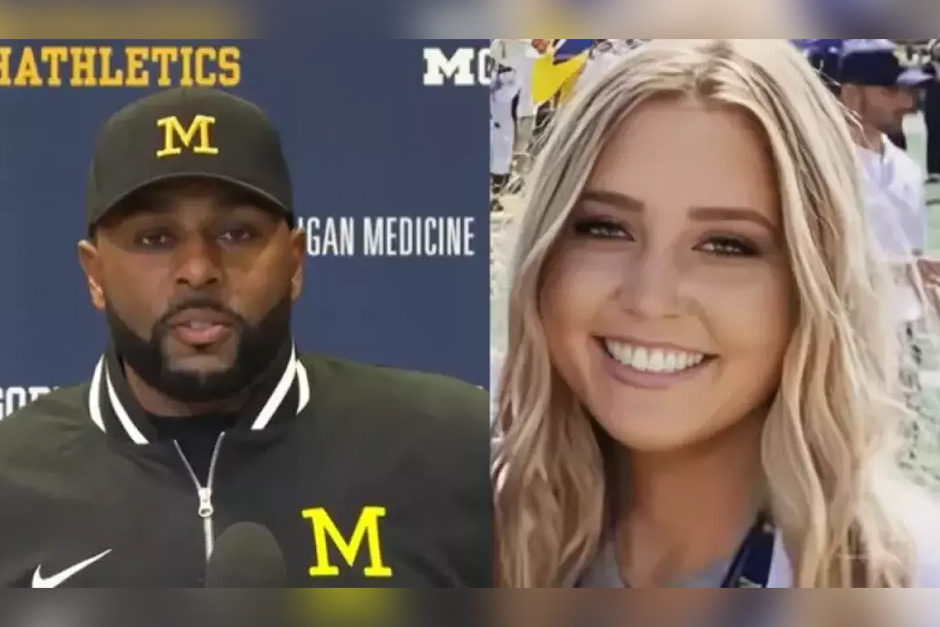
Ann Arbor is reeling. Just when the roar of a national championship parade was beginning to fade into the glorious annals of history, a different kind of shockwave has ripped through the Michigan football program. The news broke like a sudden, unexpected storm: Sherrone Moore, the architect of that championship offense and the anointed successor to Jim Harbaugh, has been fired. The reason? An alleged “inappropriate relationship” with a staff member. It’s a development that leaves fans, players, and the entire collegiate football landscape stunned, grappling with the sudden and dramatic downfall of a rising star.
An Unexpected Downfall
Moore’s trajectory had been nothing short of meteoric. From a respected offensive line coach, he stepped into the interim head coach role during Harbaugh’s suspensions, earning national attention for his passionate leadership and decisive victories. His emotional post-game interview after the Penn State win, declaring he’d “fight for Michigan,” endeared him to a fanbase hungry for continued success. He was the natural, beloved choice to take the helm, carrying the momentum of a national title into a new era.
This firing, however, isn’t about wins and losses on the field. It’s a stark reminder that leadership in a high-profile institution extends far beyond Xs and Os. The alleged “inappropriate relationship” implies a serious breach of professional conduct and institutional policy. It’s a betrayal of trust not just to the athletic department, but to the team he led, the university he represented, and the entire Michigan community that had placed its faith in him.
Beyond the Sidelines: Trust and Professionalism
In any professional environment, especially one as scrutinized as major college athletics, the standards for conduct are incredibly high. A head coach isn’t just a manager; they are a mentor, a public face, and a guardian of institutional values. An inappropriate relationship with a subordinate staff member raises immediate red flags about power dynamics, potential conflicts of interest, and the overall integrity of the workplace culture. It creates an environment where professionalism can be compromised, and the welfare of all staff members can be undermined.
The gravity of such an accusation forces an organization to act decisively, regardless of past successes. As one veteran college sports analyst, who preferred to remain unnamed, remarked, “You can’t preach accountability and family values to your players if the coach isn’t living by those same standards with his own staff. It’s a fundamental breach of trust that ripples through every corner of a program, from the locker room to the recruiting trail.” This isn’t merely a personnel issue; it’s a profound statement about the institution’s commitment to ethical conduct and a safe working environment.
What’s Next for the Wolverines?
The immediate aftermath plunges Michigan into uncharted waters. A program riding the crest of a national championship wave now faces an urgent and unexpected coaching search. The timing couldn’t be worse, with recruiting cycles in full swing and player retention always a concern. The incoming recruits who committed to play for Moore will undoubtedly be reassessing their futures, and current players must contend with yet another seismic leadership change.
Beyond the logistical challenges, there’s the inevitable hit to the program’s image. Michigan prides itself on integrity and excellence, and this incident casts a shadow over both. The university will need to move quickly and transparently to address the situation, restore confidence, and find a leader who can not only navigate the complexities of modern college football but also embody the ethical standards expected of such a prominent position.
The firing of Sherrone Moore is a painful reminder that success on the field, no matter how glorious, does not exempt anyone from the bedrock principles of professional conduct and personal accountability. For Michigan, the task ahead is immense: to move past this profound disappointment, uphold its values, and find a new path forward in what promises to be a challenging, yet defining, chapter.

