


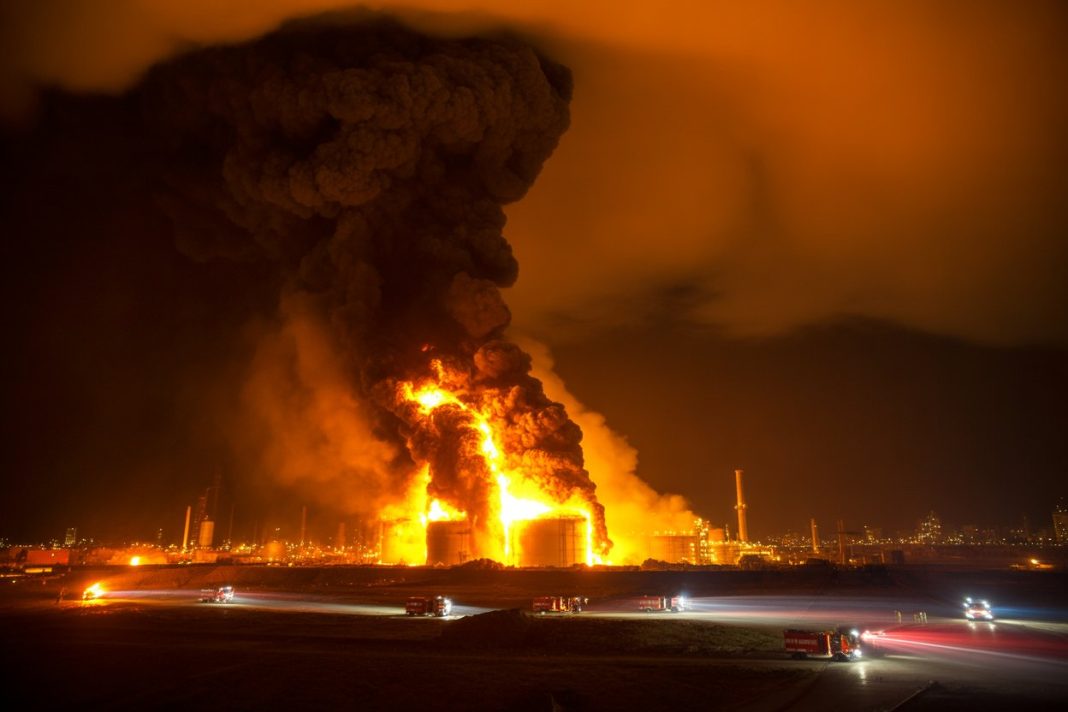
The global economic landscape is bracing for an unprecedented wave of inflation, particularly hitting the interconnected sectors of aviation, hotels, and travel. What began as a geopolitical tremor in a critical maritime choke point, the Strait of Hormuz, has rapidly escalated into a full-blown global energy crisis. As major economies like the US, Canada, China, UK, France, Germany, and India grapple with soaring costs, Mexico too has joined this expanding roster of nations facing historic inflation, directly linked to a severe global oil shortage. The implications for industries and consumers worldwide are profound, with India, a significant oil importer, feeling a distinct ripple effect.
The Strait of Hormuz: A Choke Point’s Global Reverberations
The Strait of Hormuz, a narrow passage connecting the Persian Gulf with the Arabian Sea, serves as the world’s most critical oil transit chokepoint. An estimated 20% of the world’s total petroleum liquids pass through this strait daily. Recent geopolitical tensions leading to a sustained blockade have severely disrupted this vital flow, triggering an immediate and dramatic surge in global crude oil prices. This disruption isn’t merely a bump in the road; it’s a structural shock to the global energy supply chain.
The direct consequence of the blockade is a significant reduction in the availability of crude oil on the international market, pushing prices to historic highs. This elevation in crude costs trickles down directly to refined products, most notably jet fuel, which constitutes a substantial portion of an airline’s operating expenses. Consequently, airlines across the globe are compelled to implement fuel surcharges and increase ticket prices to offset these rising costs. This initial upward pressure then radiates outwards, impacting cargo shipping, ground transportation, and nearly every industry reliant on fossil fuels for operations or logistics.
India’s Vulnerability and the Consumer Pinch
For India, a nation heavily reliant on oil imports to meet its energy needs, the Strait of Hormuz blockade presents a particularly acute challenge. India imports over 80% of its crude oil requirements, making its economy highly susceptible to global price fluctuations and supply disruptions. The current crisis translates directly into higher import bills, straining the national exchequer and potentially leading to currency depreciation.
The ripple effect on the Indian consumer is undeniable. Air travel, already a significant expense for many, becomes even pricier, potentially curtailing both domestic and international tourism. Hotels face increased operational costs due to higher energy prices for electricity, heating, and cooling, as well as elevated expenses for transporting supplies and provisions. These added burdens are often passed on to guests through higher room rates and service charges. Even local travel, including taxi fares and inter-city bus services, sees an escalation due to increased fuel costs, making vacations and business trips more expensive across the board.
“The current oil crisis, exacerbated by geopolitical flashpoints like the Strait of Hormuz, is a stark reminder of India’s import dependency,” states Dr. Sanjay Kumar, an economic analyst based in Mumbai. “While our government seeks long-term energy security, the immediate pinch on sectors like aviation and tourism is undeniable, impacting both businesses and the common man’s travel plans.”
A Global Domino Effect: From Mexico to Markets
The global interconnectedness of economies means that such a fundamental disruption cannot be contained. The inflation witnessed in major economies like the US, UK, and China, where travel and tourism are massive industries, creates a compounding effect. As Mexico, a key player in North American trade and a significant tourist destination, also succumbs to this inflationary pressure, it underscores the universal nature of the challenge. Supply chains are intertwined, and the rising cost of transport and energy in one region inevitably impacts others through imported goods and services.
From manufacturing to agriculture, the increased cost of energy fuels inflation across various sectors. The travel and hospitality industries, being particularly sensitive to fuel prices and discretionary consumer spending, are often among the first to show the strain. As international travel becomes costlier, it could lead to a contraction in global tourism, affecting economies that heavily rely on foreign visitors.
The Strait of Hormuz blockade serves as a potent reminder of the fragility of global energy security and the profound impact geopolitical events can have on everyday life and economic stability. As nations from India to Mexico navigate this period of historic inflation in critical sectors, the imperative for diversified energy sources and resilient supply chains has never been clearer. The challenge ahead is not merely about managing prices but about adapting to a new, more volatile energy reality.

