


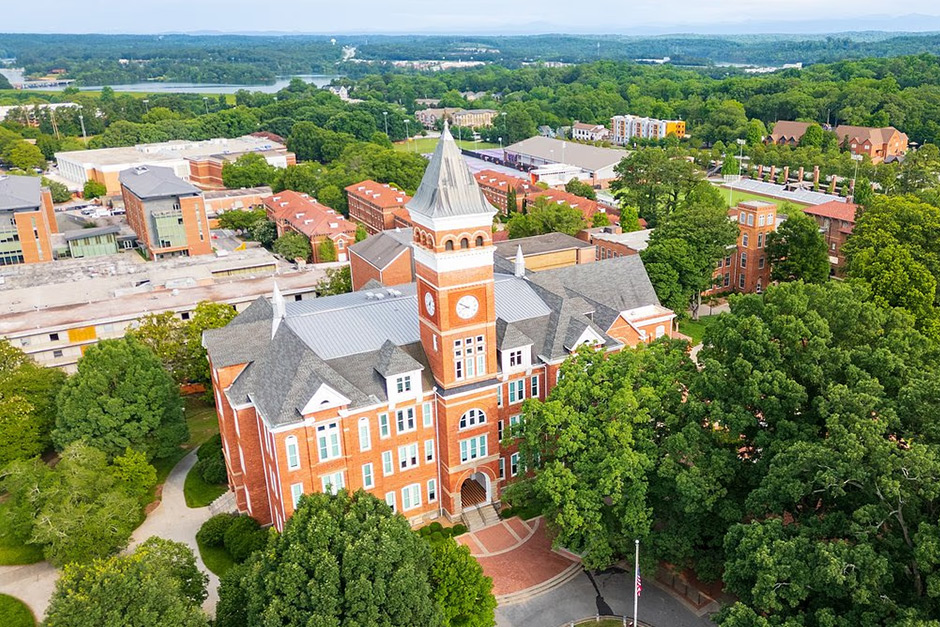
The buzz on Clemson’s main campus recently took a serious turn with the confirmation of a measles case, adding a significant local focus to South Carolina’s ongoing battle against the highly contagious virus. For students, faculty, and the wider university community, this news is a stark reminder of the importance of public health vigilance, especially in dense residential and academic environments.
Measles Arrives on Campus: What It Means for Clemson
The confirmation of measles at Clemson isn’t just another health advisory; it’s a direct challenge to the safety and well-being of thousands. University officials are undoubtedly working to contain the spread, issuing guidance and emphasizing precautionary measures. For those living in dorms, attending classes, or frequenting campus facilities, the risk of exposure naturally increases. Measles is known for its incredible contagiousness, spreading through the air when an infected person coughs or sneezes, and can linger in the air for hours. This makes a university setting, with its shared spaces and close interactions, particularly vulnerable.
The immediate concerns center around contact tracing, identifying anyone who might have been exposed, and urging anyone with symptoms to seek medical attention promptly. It also brings the spotlight back to vaccination rates. A highly vaccinated population creates a protective “herd immunity” that shields those who cannot be vaccinated, like infants or individuals with compromised immune systems. This campus confirmation underscores why maintaining high vaccination coverage is not just a personal choice but a community responsibility.
South Carolina’s Persistent Measles Challenge
Clemson’s situation isn’t isolated; it’s a critical development within a larger public health narrative unfolding across South Carolina. The state has been grappling with a resurgence of measles, a disease once thought to be largely eradicated thanks to widespread vaccination efforts. This ongoing outbreak serves as a potent reminder of how quickly infectious diseases can reappear when vaccination rates decline or when individuals are unprotected. The virus doesn’t respect geographical boundaries, and movement between communities, including students traveling to and from campus, plays a role in its spread.
Public health authorities statewide are working tirelessly to educate the public, encourage vaccination, and manage existing cases to prevent further transmission. The challenge is multifaceted, requiring not only rapid response to confirmed cases but also sustained public awareness campaigns to ensure everyone understands the risks and the protective power of the MMR vaccine. This continuous effort is crucial to turning the tide against the outbreak and safeguarding the health of all South Carolinians.
Protecting Yourself and the Community: The Path Forward
In light of the confirmed case at Clemson and the broader state outbreak, proactive measures are paramount. The most effective defense against measles remains vaccination with the MMR (measles, mumps, and rubella) vaccine. If you’re unsure about your vaccination status, especially if you’re a student or faculty member on campus, it’s wise to consult with a healthcare provider. The Centers for Disease Control and Prevention (CDC) recommends two doses of the MMR vaccine for most individuals, offering about 97% protection against measles.
Beyond vaccination, vigilance is key. Be aware of the symptoms, which typically include a high fever, cough, runny nose, red eyes, and a characteristic rash that appears a few days later. If you suspect you or someone you know might have measles, contact a doctor immediately, but call ahead to avoid potentially exposing others in waiting rooms. Practicing good hand hygiene and avoiding close contact with sick individuals are also important general precautions.
As one local public health official put it, “This confirmed case at Clemson is a clear signal that we cannot afford complacency. Vaccination is our strongest tool, and it’s imperative that everyone eligible ensures they are fully protected, not just for their own health, but for the health of our entire community, especially in vibrant, interconnected places like a university campus.” The collective health of our communities depends on informed decisions and a shared commitment to public well-being.
The Ripple Effect: Beyond Campus Borders
While the immediate focus is on Clemson’s campus, the implications of a measles confirmation extend far beyond its gates. Students frequently interact with the wider community—in local businesses, during travel, and when visiting family. This interconnectedness means that a case on campus can quickly become a concern for surrounding towns and even other parts of the state. It highlights the intricate web of public health and why localized outbreaks demand a coordinated, comprehensive response that includes both university and state health departments.
The situation at Clemson is a potent reminder that public health threats are dynamic and require ongoing attention. It’s a call for everyone to reassess their role in community health, from ensuring personal vaccination records are up to date to staying informed about public health advisories. By working together, the Clemson community and the state of South Carolina can effectively navigate this challenge and reinforce the foundational health protections that keep us all safe.

