


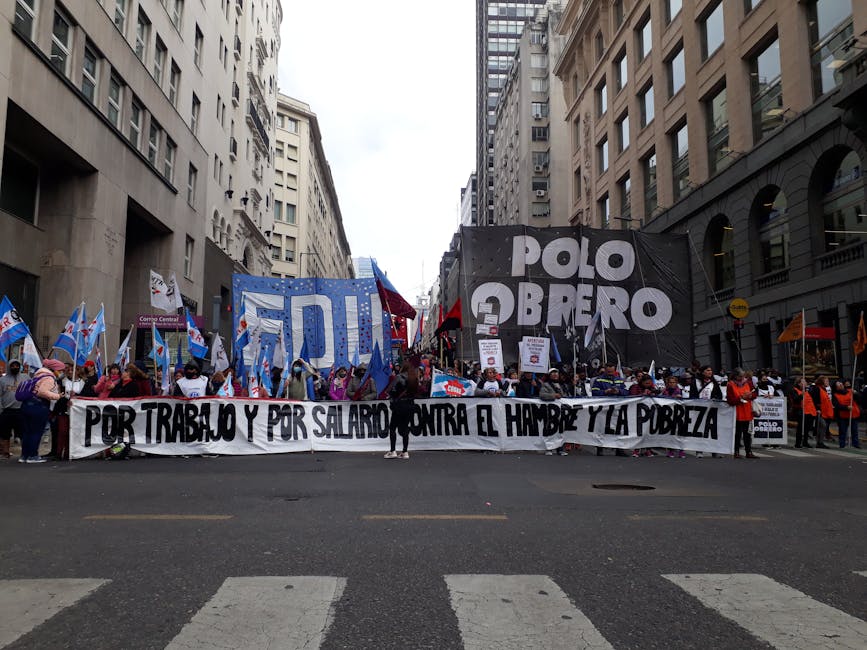
May Day has long been a global beacon for worker solidarity, a day when the voices of labor echo through city streets, demanding fairness and recognition. This year, however, a palpable sense of urgency underpins the demonstrations. From bustling metropolises to quiet industrial towns, workers are united by a common, pressing concern: the relentless ascent of energy costs, directly linked to global instability, particularly the ongoing conflict in Iran. It’s a harsh reality that’s reshaping household budgets and testing the resilience of everyday people.
The Crushing Weight of Fuel and Utility Bills
For many, the morning ritual of checking utility statements or filling up a gas tank has become an exercise in dread. The ripple effects of the geopolitical landscape, specifically the Iran war’s impact on global oil markets, are being felt acutely at the pump and on electricity bills. What was once a manageable expense is now consuming an ever-larger portion of monthly income, forcing families to make difficult choices between essentials.
Heating homes, keeping the lights on, and getting to work are not luxuries; they are fundamental needs. Yet, as crude oil prices fluctuate wildly and energy supply chains tighten due to geopolitical tensions, these basic necessities are becoming increasingly unaffordable for many. Workers, who often have little buffer in their budgets, find themselves in a constant battle to keep up. “It’s not just about turning down the thermostat anymore; it’s about wondering if you can even afford to fill your tank to get to work,” shared Maria Rodriguez, a mother of two joining a demonstration, her voice reflecting widespread frustration. This isn’t just about financial strain; it’s about the emotional toll of constant worry and the erosion of living standards.
Beyond the Wallet: A Widening Economic Strain
The energy crisis isn’t confined to individual wallets; it casts a long shadow over the entire economy, amplifying the pressure on workers. Businesses, facing higher operational costs for transport, manufacturing, and heating their premises, are often forced to pass these expenses onto consumers, driving up the price of everything from groceries to clothing. This inflationary spiral means that even if wages see a slight increase, the purchasing power of those earnings diminishes rapidly, leaving workers feeling like they’re running in place.
Furthermore, some businesses, unable to absorb the escalating costs, may face difficult decisions regarding staffing or expansion, leading to job insecurity at a time when financial stability is more crucial than ever. The interconnectedness of the global economy means that a conflict thousands of miles away can directly impact the livelihood and well-being of a factory worker, a nurse, or a retail assistant. The May Day demonstrations this year are not just about specific demands; they are a collective outcry against this pervasive sense of economic vulnerability, a plea for stability and a recognition of the profound human cost of global crises.
As the banners wave and chants fill the air on May Day, the message is clear: workers are struggling. The weight of rising energy costs, exacerbated by the fallout from the Iran war, is not an abstract economic statistic but a daily reality that shapes lives, limits opportunities, and fuels a deepening sense of anxiety. These demonstrations are a poignant reminder that economic justice and global peace are intrinsically linked, and that the stability of international affairs has a direct, undeniable impact on the dignity and well-being of every working individual.

