


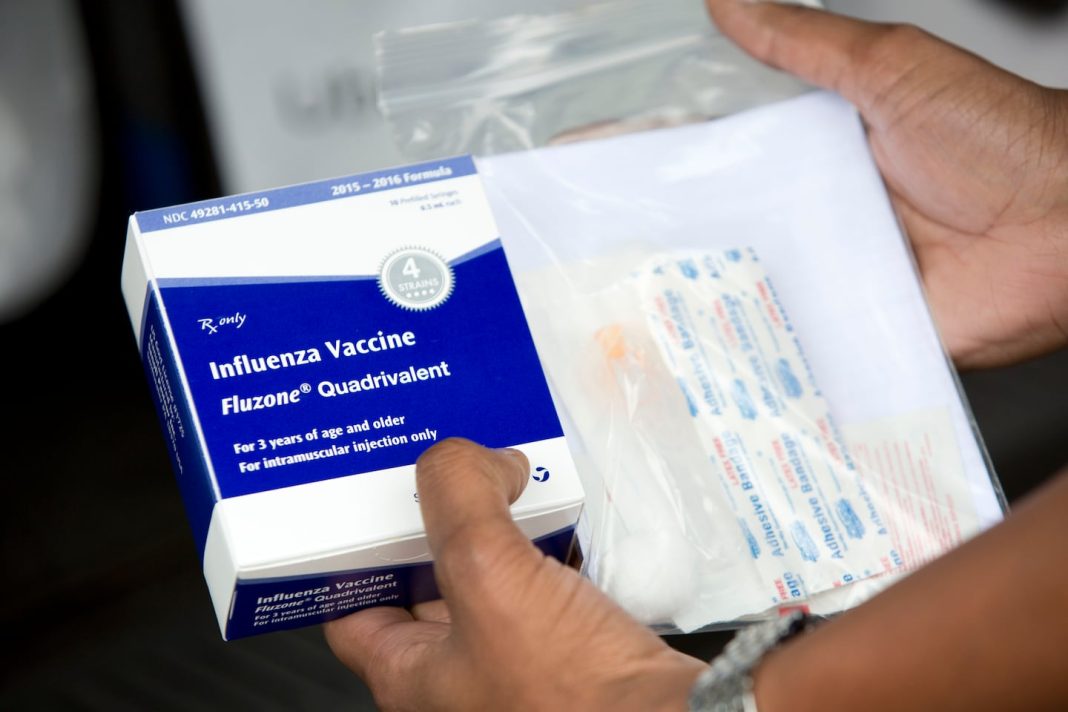
There’s a familiar chill in the air across Massachusetts, and it’s not just the crisp autumn breeze. Doctors from the Berkshires to Boston are reporting something far more unsettling: a truly massive, unprecedented spike in flu cases. Walk into almost any clinic or emergency room, and the waiting rooms tell a grim story of coughs, fevers, and aches. While a flu season is expected, the sheer intensity and early arrival this year are catching everyone off guard. But for medical professionals, this isn’t some baffling new mystery. They’ve seen the writing on the wall, and they know exactly why this particular season feels like a viral tidal wave.
The Ghost of Lockdowns Past: Our Immune System’s “Debt”
For nearly three years, our lives were dominated by masks, social distancing, and remote everything. While these measures were crucial in battling one specific global health crisis, they had an unexpected side effect: they effectively suppressed all respiratory viruses. The seasonal flu, RSV, and even common colds largely vanished from our collective radar. This might sound like a good thing, but it created what many epidemiologists are now calling an “immunity gap” or “immunity debt.”
Think of it this way: our immune systems are like muscles. They need regular exercise and exposure to stay strong and responsive. When we were all hunkered down, our bodies, especially those of younger children who hadn’t yet built up a robust viral portfolio, weren’t getting their usual “training” against common pathogens. “We essentially put our collective immune systems in a protective bubble for a couple of years,” explains Dr. Lena Chen, a pediatrician we spoke with. “Now that the bubble’s gone, these familiar viruses are hitting harder because our bodies aren’t as primed to fight them off. We’re seeing more severe illness, and it’s spreading like wildfire among those with less recent exposure.”
A Perfect Viral Storm: The Overlapping Threats
Adding fuel to this already potent fire is the timing and co-circulation of multiple formidable foes. It’s not just the flu making a dramatic comeback; we’re also contending with a significant surge in Respiratory Syncytial Virus (RSV), particularly dangerous for infants and the elderly, and, of course, COVID-19 is still very much in the mix. This creates a terrifying “triple threat” scenario that is overwhelming healthcare systems across the state.
When multiple highly contagious respiratory viruses are circulating simultaneously, several problems emerge. Firstly, it becomes incredibly difficult for doctors to quickly differentiate between illnesses, as symptoms often overlap. Is it flu, RSV, or COVID? Each requires different management strategies, and the time taken for testing and diagnosis can delay critical care. Secondly, the sheer volume of sick patients is stretching hospitals, clinics, and even pharmacies to their limits. Beds are filling up, staff are exhausted, and resources are strained, making it harder for everyone to access timely and appropriate care when they need it most.
Beyond the Spike: What Comes Next?
The current flu spike in Massachusetts isn’t a random event; it’s a predictable, albeit challenging, consequence of a unique period in human history. It’s a stark reminder of the interconnectedness of public health measures and the intricate dance between our immune systems and the microbial world. While the reasons behind this surge are now clearer, the challenge remains. Vigilance, excellent hygiene, and vaccination remain our strongest defenses, not just against the flu, but against the complex viral landscape we now navigate. The spike serves as a powerful call for renewed awareness and proactive health measures, reminding us that even “familiar” viruses can surprise us with their intensity.

