


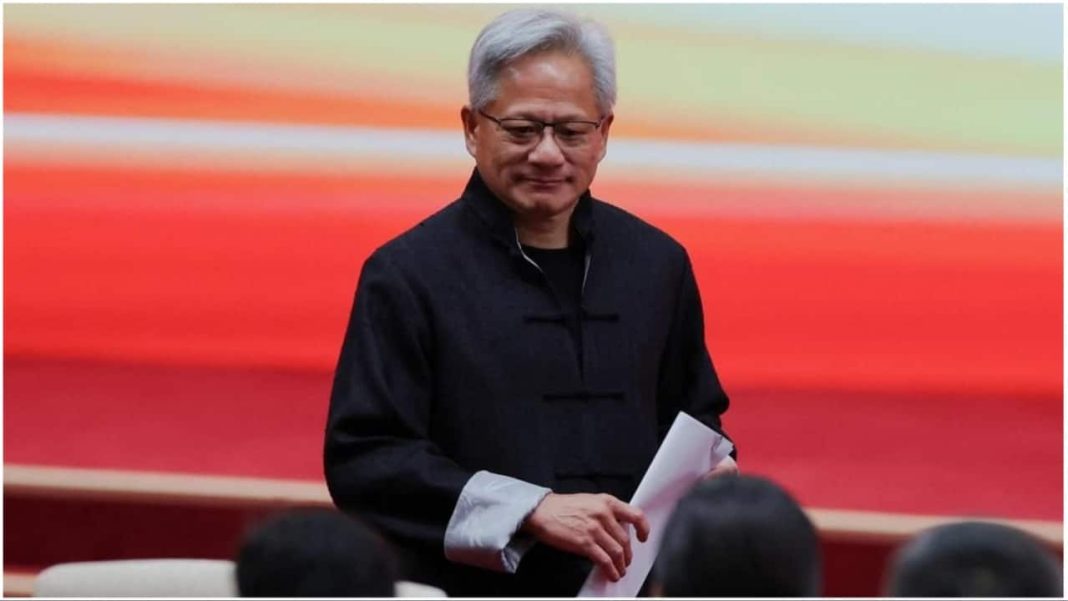
The rise of Artificial Intelligence has fueled both excitement and apprehension across the globe, particularly concerning its potential impact on employment. From automated customer service to sophisticated data analysis, AI’s rapid advancements have often been met with predictions of widespread job displacement, especially within the software and IT sectors. However, a significant voice in the tech world offers a strikingly different perspective. Jensen Huang, CEO of NVIDIA, one of the leading companies powering the AI revolution, has emphatically stated that “the markets got it wrong,” arguing that AI agents are poised to augment, not replace, existing software tools and the professionals who wield them.
The Misconception of Replacement: AI as an Enabler
Huang’s assertion challenges the prevalent narrative that AI is an existential threat to software development and related fields. Instead of envisioning AI agents as standalone entities capable of autonomously performing all functions currently handled by human programmers and existing software, he posits them as intelligent co-pilots or advanced interfaces. In this view, AI agents will primarily interact with and leverage the vast ecosystems of existing software applications, APIs, and frameworks. They won’t rewrite enterprise resource planning (ERP) systems from scratch or replace entire coding languages; rather, they will become highly efficient users of these tools, executing tasks and streamlining workflows with unprecedented speed and precision.
This perspective holds particular relevance for India, a global powerhouse in IT services and software development. For years, India’s skilled workforce has been the backbone of numerous multinational corporations, building and maintaining complex software infrastructure. If AI were purely a replacement technology, the implications for this sector could be severe. Huang’s vision, however, suggests a transformative opportunity: a chance for India’s tech talent to pivot from mere maintainers to architects of AI-powered efficiencies, integrating these agents into existing systems to unlock new levels of productivity and innovation.
AI Agents: Orchestrating and Amplifying Software Power
The core of Huang’s argument lies in understanding the symbiotic relationship between AI agents and traditional software. Imagine an AI agent tasked with optimising supply chain logistics. It wouldn’t invent a new logistics platform; instead, it would intelligently interact with existing inventory management systems, transportation management software, and financial databases. It would analyse data from these sources, identify bottlenecks, forecast demand, and even trigger actions by calling the appropriate APIs or functions within these established software tools. The AI agent acts as a highly capable user, an orchestrator that understands context and intent, making decisions and executing operations by interacting with the existing digital infrastructure.
This paradigm shift underscores the enduring value of well-designed software and the expertise required to build and maintain it. AI agents are only as effective as the tools they have access to and the data they can interpret from them. As Jensen Huang succinctly puts it, “The software industry, for the first time, is going to have agents that write software, for us. But the market got it wrong. Our industry is about software… software is being created, but not replaced. The next generation of software is AI agents.” This means that while some repetitive coding tasks might be automated, the need for human ingenuity in designing robust software, defining agent objectives, and overseeing their interactions will only grow.
Implications for India’s Tech Landscape
For India’s thriving technology sector, Huang’s outlook presents a compelling pathway forward. Rather than fearing obsolescence, Indian IT companies and professionals can embrace a future where their deep domain knowledge and software engineering prowess are amplified by AI. This necessitates a strategic focus on upskilling and reskilling the workforce in areas like prompt engineering, AI agent orchestration, and the development of robust, AI-friendly software architectures. Indian startups have a unique opportunity to build specialised AI agents tailored for specific industries, leveraging the vast existing software landscape to create innovative solutions.
Moreover, this approach can drive significant productivity gains across various sectors within India, from manufacturing to healthcare, by making existing software more accessible and intelligent. Indian enterprises can leverage AI agents to automate complex processes, derive deeper insights from their data, and enhance operational efficiency without the prohibitive cost of completely overhauling their established IT infrastructure. This evolution reinforces India’s role not just as a service provider but as a critical innovation hub, integrating advanced AI capabilities into the fabric of global and domestic digital ecosystems.
Jensen Huang’s perspective offers a much-needed recalibration of expectations surrounding AI. By viewing AI agents as sophisticated users and amplifiers of software tools rather than outright replacements, we can foster a more constructive dialogue about the future of work. For India, this vision paves the way for continued growth and leadership in the global tech arena, positioning its talent and industry to thrive in an increasingly AI-driven world.
—

