


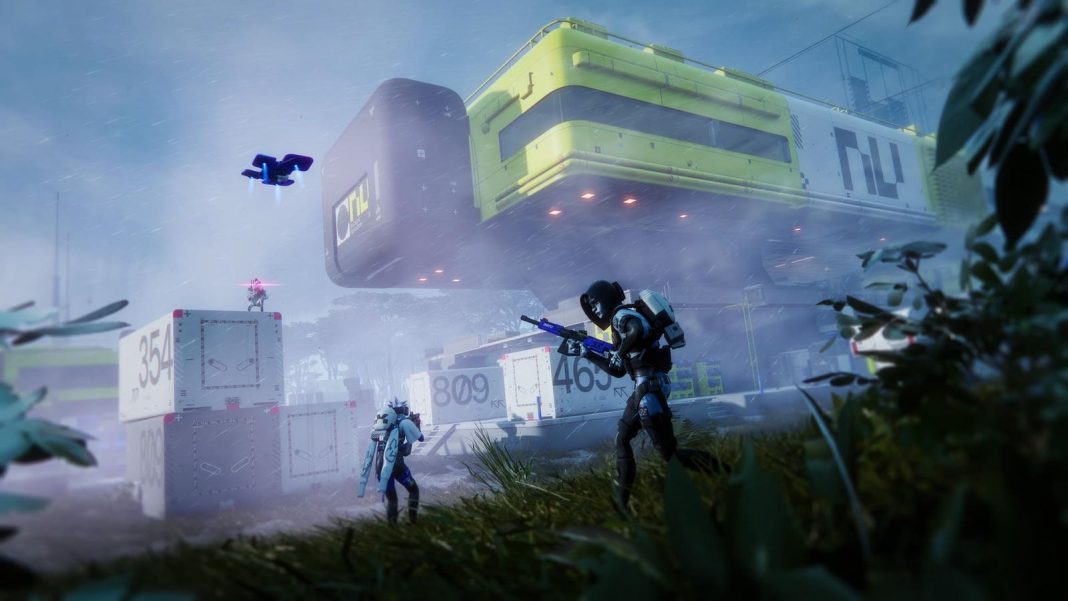
The gaming world is currently buzzing around Marathon, a title that has been under considerable scrutiny and anticipation. Developers recently rolled out the game’s initial set of balance adjustments, commonly referred to as “buffs,” aimed at refining gameplay. However, these updates haven’t arrived in a vacuum. Instead, they’ve become a focal point for the ongoing and often passionate community discussion concerning the game’s microtransaction model.
Marathon’s Initial Adjustments: What Changed?
The first significant wave of updates for Marathon brought with it a series of tweaks designed to enhance the player experience and rebalance various in-game elements. These adjustments touched upon several core areas, from the effectiveness of certain character abilities to the damage output and handling characteristics of particular weapons. The stated goal behind these changes was to foster a more equitable and engaging competitive environment, addressing feedback points regarding power imbalances and frustrating gameplay loops.
Specifically, players observed enhancements to several previously underperforming gear pieces and character kits. These “buffs” aimed to bring less-used options up to a more viable standard, ideally diversifying player choices and strategic approaches. While the immediate mechanical impact of these changes on gameplay has been a topic of debate—some appreciating the shifts, others feeling they don’t go far enough—the broader conversation quickly veered into familiar territory: the monetization structure.
Buffs, Bugs, and the Microtransaction Undercurrent
For many players, the arrival of balance changes in a live-service game often signals a commitment to long-term health and player satisfaction. Yet, in the case of Marathon, these adjustments have inadvertently amplified existing grievances about microtransactions. Even as developers worked to refine core gameplay, the community’s attention remained firmly fixed on issues such as cosmetic pricing, the perceived value of purchasable items, and the overall progression system.
The core tension arises from a desire for a robust, fair gameplay experience clashing with a monetization model that some players feel prioritizes revenue over player goodwill. When a game receives buffs, there’s an expectation that these improvements are fundamentally about the game’s integrity and fun. However, if players are already feeling underserved by the monetization, any update, even positive ones, can trigger a renewed examination of the game’s economic foundations. This dynamic creates a situation where genuine gameplay improvements might be overshadowed by broader concerns about the game’s business practices.
As one observer put it, “In today’s gaming landscape, it’s increasingly difficult for developers to separate fundamental gameplay balancing from their monetization strategies in the public eye. Every update, every change, is scrutinized through the lens of player value and whether the game truly respects their investment, both of time and money.”
Navigating Community Feedback and Live Service Evolution
The situation highlights the complex tightrope developers walk with live-service titles. On one side, there’s the continuous need to update, balance, and expand the game to keep the player base engaged. On the other, there’s the imperative to generate revenue through various monetization strategies, which, if mishandled, can alienate the very community they aim to serve. For Marathon, these initial buffs are more than just numerical adjustments; they’ve become a touchstone for a deeper conversation about player expectations, developer communication, and the intricate relationship between gameplay mechanics and economic models in modern gaming.
Ultimately, the way developers respond to this ongoing dialogue—addressing both the gameplay refinements and the underlying microtransaction concerns—will be crucial in shaping Marathon’s trajectory. It underscores that for a live-service game, every patch, every announcement, is an opportunity to either strengthen or strain the relationship with its dedicated player base.

