


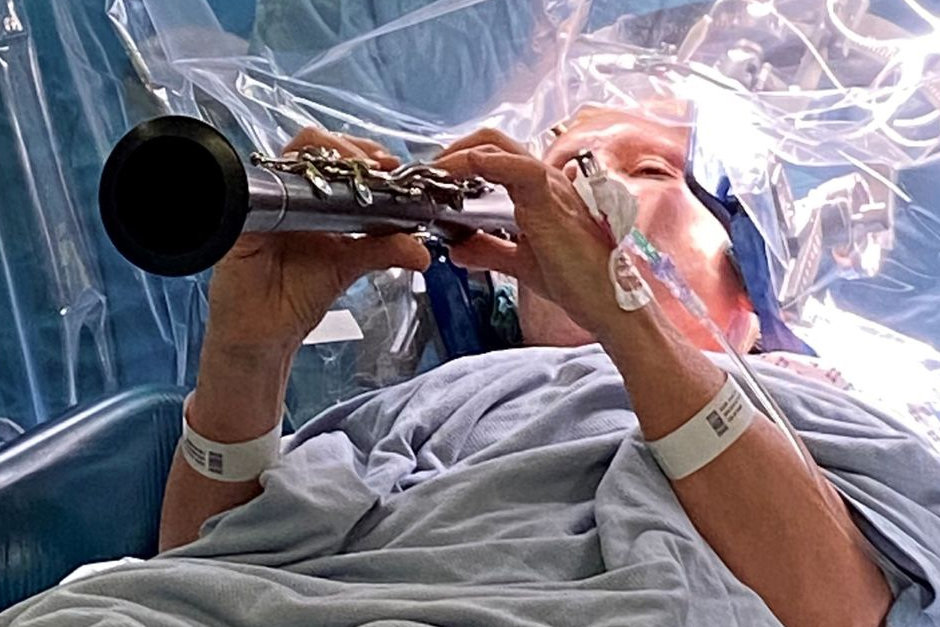
Picture this: an operating room, usually a place of hushed intensity and focused precision, suddenly filled with the clear, resonant notes of a clarinet. No, this isn’t a scene from a science fiction movie; it’s a profound moment of human triumph, a real-life symphony conducted on the edge of medical science. A man, undergoing Deep Brain Stimulation (DBS) surgery for Parkinson’s disease, chose to play his beloved instrument mid-procedure, offering the world a stunning glimpse into the power of passion and pioneering medicine.
The Music That Fought Back
For individuals living with Parkinson’s, the simplest movements can become monumental struggles. Tremors, rigidity, and a debilitating loss of motor control often steal away not just physical abilities, but also the passions that define us. Imagine being a musician, a soul connected to melody and rhythm, only to find your hands betraying your will, your breath unable to sustain a steady note. This was the silent battle many years of a Parkinson’s diagnosis brought to this man.
His clarinet, once an extension of his voice, had become a painful reminder of what he was losing. Yet, the desire to create music never truly faded. It was a flicker of hope, a core part of his identity that refused to be extinguished. “Parkinson’s can strip away not just movement, but identity, especially for artists whose craft relies on precise motor skills,” commented Dr. Anya Sharma, a neurologist observing the procedure. “Seeing that spirit endure, even on the operating table, is incredibly moving.”
A Symphony of Science and Soul
Deep Brain Stimulation is a remarkable neurosurgical procedure where electrodes are implanted into specific areas of the brain, connected to a device similar to a pacemaker. When activated, these electrodes deliver electrical impulses that can block the abnormal brain signals causing Parkinson’s symptoms. The truly extraordinary aspect? Patients are often awake during parts of the surgery, allowing doctors to precisely map brain activity and ensure the electrodes are placed optimally. This real-time feedback is crucial for fine-tuning the treatment.
It was during such a moment of calibration that the magic happened. As the medical team adjusted the stimulation, targeting the very neural pathways responsible for his tremors, the man raised his clarinet. The air in the operating room thickened with anticipation. Then, a hesitant breath, a fumbled finger, and suddenly – a note. Then another. And another. The tremors that had plagued his hands moments before began to subside, giving way to control, to clarity. He wasn’t just playing; he was reclaiming his ability, his passion, his very self, note by precious note.
The sounds filled the room, a stark, beautiful contrast to the sterile environment. It was more than just a melody; it was a testament to courage, to scientific advancement, and to the profound human need for expression. The immediate, visible impact of the DBS, allowing him to play with a fluidity that had been absent for years, was a powerful affirmation of the procedure’s potential.
More Than Just a Tune
This unforgettable moment transcends the operating room, offering a beacon of hope to countless others battling Parkinson’s and similar neurological disorders. It showcases the incredible strides made in neuroscience and medical technology, pushing the boundaries of what’s possible. But beyond the science, it’s a powerful narrative about the indomitable human spirit – the deep-seated desire to live fully, to pursue one’s passions, no matter the obstacles.
The man with the clarinet didn’t just play a tune; he conducted a symphony of hope, resilience, and the extraordinary synergy between innovative medicine and the human will to thrive. His music echoes a vital message: even when life throws its most challenging notes, there’s always the potential for a beautiful, triumphant melody.

