


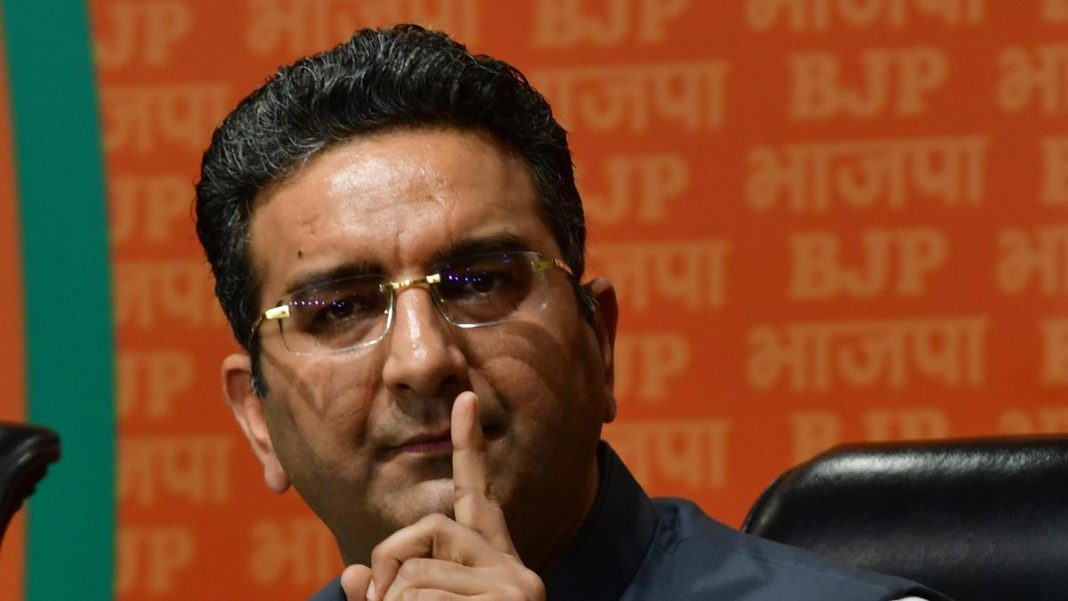
The intricate dance between international academia and national sovereignty often comes to the fore in moments of geopolitical tension. Recently, a letter penned by renowned Ugandan-Indian academic Mahmood Mamdani concerning the incarceration of activist Umar Khalid has ignited a robust response from India’s ruling Bharatiya Janata Party (BJP). The BJP has unequivocally stated that India will not tolerate any external interference in its internal matters, setting a clear boundary for international commentary on its domestic affairs.
The controversy underscores India’s firm stance on maintaining its sovereign right to address internal issues, particularly those involving its legal and judicial processes. This incident adds another layer to the ongoing global discourse about human rights, democratic principles, and national self-determination.
The Mamdani Letter and Its Context
Professor Mahmood Mamdani, a distinguished scholar and director of the Makerere Institute of Social Research, University of Makerere, authored a note expressing concern over the prolonged detention of Umar Khalid. Khalid, a former Jawaharlal Nehru University (JNU) student leader, has been in custody since September 2020 under the stringent Unlawful Activities (Prevention) Act (UAPA) in connection with the 2020 Delhi riots conspiracy case. Mamdani’s letter reportedly highlighted concerns regarding due process, human rights, and the perceived suppression of dissent, calling for Khalid’s release.
Mamdani, known for his incisive analyses of colonialism, post-colonialism, and the politics of human rights, directed his appeal to various academic and public figures. While the precise reach and intent of his note were varied, its underlying message resonated with a segment of international observers who have expressed apprehension over the application of laws like UAPA and the state of civil liberties in India. The letter’s intent was seen by some as an appeal to conscience, urging a re-evaluation of Khalid’s detention based on academic and humanitarian principles.
BJP’s Strong Rebuttal: Upholding Sovereignty
The reaction from the BJP was swift and unambiguous. Party spokespersons condemned Mamdani’s intervention as an unwarranted intrusion into India’s sovereign internal affairs. The BJP’s consistent position has been that India is a vibrant, robust democracy with an independent judiciary and a constitutional framework capable of addressing its own challenges without external tutelage or interference.
Speaking on the matter, a senior BJP leader, who wished to remain unnamed given the sensitive nature of international relations, stated, “India is a vibrant democracy with a robust and independent judiciary. Any attempt by external actors to dictate our internal legal processes is an affront to our sovereignty and will be unequivocally rejected.” This statement encapsulates the ruling party’s sentiment: India’s institutions are competent, and its legal proceedings are not subject to external validation or pressure.
The BJP has consistently argued that individuals facing charges, regardless of their public profile or academic connections, must undergo due legal process. Accusations against Khalid pertain to serious charges under UAPA, which the government maintains is a necessary tool to combat terrorism and maintain national security. The party’s response emphasized that India’s legal system provides avenues for appeal and due process, and external commentary, especially from academics, often lacks a full understanding of the ground realities and legal intricacies involved.
Broader Implications and India’s Assertive Stance
This incident is not an isolated one but rather part of a discernible pattern in India’s foreign policy under the current administration. India has become increasingly assertive in pushing back against perceived external interference, whether it relates to human rights reports, commentary on Kashmir, or observations on its democratic health. The government views such interventions as disrespectful to its national pride and an attempt to undermine its global standing.
For New Delhi, the principle of non-interference in internal affairs is a cornerstone of international relations. The BJP’s strong reaction to Mamdani’s note is a clear signal that the nation expects the global community, including academics and civil society organizations, to respect its sovereignty. This stance resonates with a significant section of the Indian populace that views any criticism from abroad as an attempt to diminish India’s rising global influence.
The government’s message is clear: while constructive engagement and dialogue are welcome, any attempt to dictate or question India’s internal judicial processes or democratic functioning will be met with firm resistance. This assertiveness reflects a broader national confidence and a determination to chart its own course on the global stage.
The Mamdani letter concerning Umar Khalid and the BJP’s sharp rejoinder highlight a fundamental clash of perspectives. On one side are international academic and human rights concerns regarding individual liberties and due process, while on the other is India’s unyielding assertion of its national sovereignty and the independence of its institutions. As India continues to grow in geopolitical stature, these interactions will likely become more frequent, demanding a delicate balance between global scrutiny and national self-determination.

