


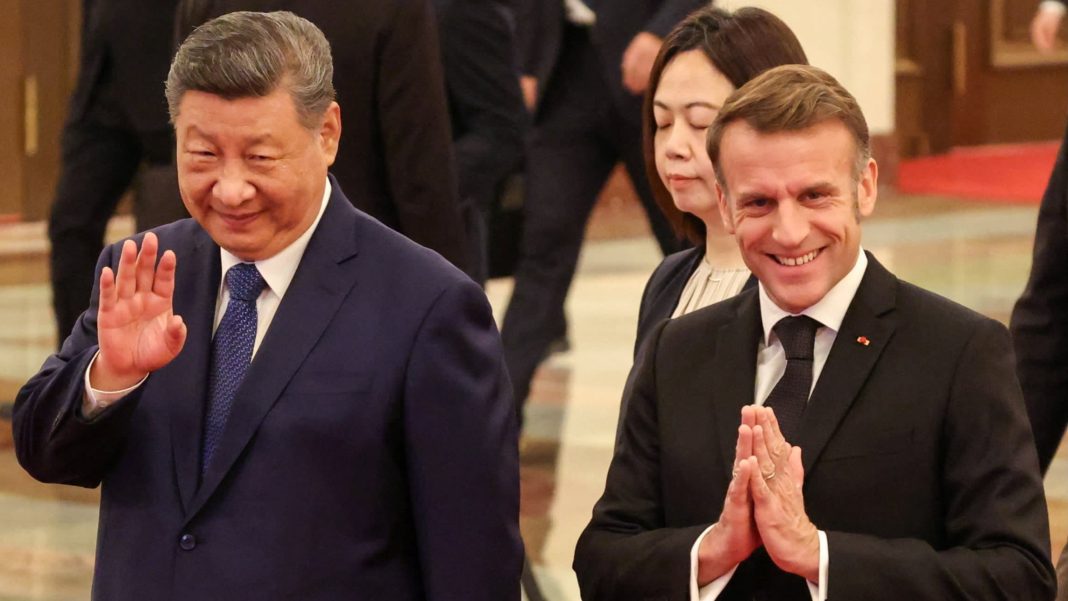
The geopolitical chessboard is rarely short of dramatic moves, but sometimes a single statement cuts through the usual diplomatic niceties, laying bare the profound anxieties bubbling beneath the surface. Such was the case when French President Emmanuel Macron reportedly delivered a strikingly candid message to Chinese President Xi Jinping: the current world order, he warned, faces the very real prospect of “disintegrating.” This isn’t just a casual observation; it’s a stark, almost desperate plea from a major Western leader to a global superpower, highlighting the immense pressures threatening the foundations of international stability.
Imagine the weight of such words spoken between two of the world’s most influential figures. It underscores a growing, palpable tension that extends far beyond individual conflicts or trade disputes. Macron’s directness signals an urgent recognition that the established norms, institutions, and delicate balances that have governed global affairs for decades are under severe stress, perhaps to a breaking point. It’s a wake-up call, urging a collaborative effort to avert a future defined by chaos rather than cooperation.
A Moment of Geopolitical Candor
For a leader like Macron to use such blunt language with Xi Jinping is highly significant. It bypasses the usual diplomatic ambiguity, suggesting a level of concern that demands immediate attention and a clear-eyed assessment of the global landscape. This isn’t about blaming a single actor; rather, it’s an acknowledgement of multifaceted challenges—from ongoing conflicts and the erosion of international law to the rise of protectionism and deepening ideological divides. The implication is clear: the current trajectory is unsustainable, and without a concerted effort from all major powers, particularly China, the system could unravel.
The conversation highlights the unique position of both France, as a key player in Europe and a proponent of multilateralism, and China, whose growing economic and military might gives it unparalleled influence over global events. Macron’s message serves as a powerful reminder that global stability is a shared responsibility, and that the actions (or inactions) of leading nations have profound ripple effects that touch every corner of the planet.
What “Disintegration” Really Means
When leaders speak of the world order “disintegrating,” they are not merely talking about a slight reshuffling of power. They are referring to the potential collapse of the fundamental architecture built since World War II: the United Nations, international trade agreements, shared diplomatic protocols, and the very concept of collective security. Disintegration would likely mean a return to a more fragmented, dangerous world where might makes right, international law is routinely disregarded, and regional conflicts spiral out of control with fewer mechanisms for peaceful resolution.
As Dr. Lena Petrov, a renowned geopolitical strategist, commented, “Macron’s stark warning isn’t just hyperbole; it reflects a deep concern shared by many in the West that the current multilateral system is under unprecedented strain. The question now is whether leaders like Xi are willing to genuinely engage in salvaging it, or if they see opportunity in its fragmentation.” This sentiment captures the delicate balance and profound uncertainty that permeates global diplomacy today. The warning isn’t just about what could happen, but what is already happening—the slow erosion of trust and shared purpose.
The Stakes and the Search for Stability
The stakes couldn’t be higher. A disintegrating world order would impact everything from global trade and climate change initiatives to humanitarian aid and nuclear non-proliferation. It would usher in an era of greater unpredictability, economic instability, and heightened risk of large-scale conflict. Macron’s plea to Xi, therefore, isn’t just a philosophical debate; it’s a call for pragmatic action to preserve a system that, for all its flaws, has prevented global catastrophe for decades.
The challenge lies in finding common ground amidst divergent national interests and ideological differences. It requires a willingness to engage in difficult conversations, to rebuild trust, and to prioritize long-term global stability over short-term gains. While the path forward remains fraught with obstacles, Macron’s direct warning serves as a crucial signal. It’s a powerful reminder that even in an era of intense competition, the need for dialogue and cooperation among major powers is more critical than ever to steer humanity away from the precipice of global disorder.

