


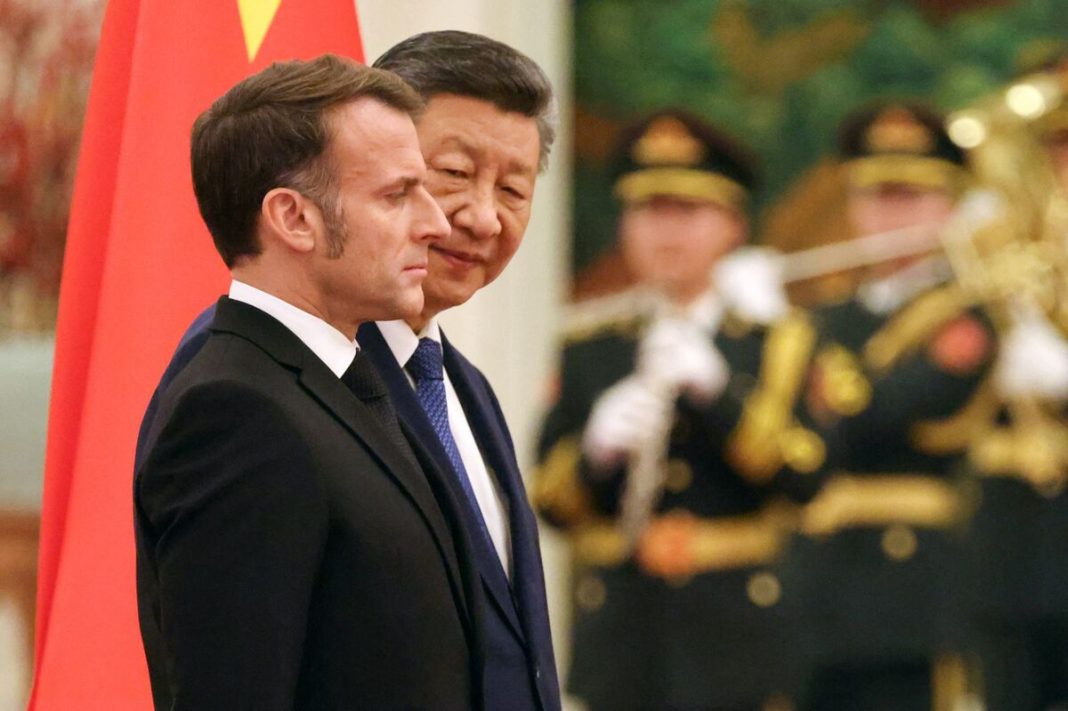
The global stage is a complex tapestry of diplomacy and economic ambition, and few recent encounters underscore this more vividly than the high-stakes discussions held between French President Emmanuel Macron and Chinese President Xi Jinping. Macron’s recent visit to China was not merely a ceremonial trip; it was a deeply strategic endeavor, aiming to address critical geopolitical challenges while simultaneously seeking to bolster economic ties. At its heart were two pivotal objectives: a plea for China’s intervention in the ongoing conflict in Ukraine and a clear call for increased Chinese investment to invigorate European economies.
Navigating the Ukrainian Quagmire
Perhaps the most pressing item on Macron’s agenda was the urgent appeal to President Xi regarding the war in Ukraine. European leaders have consistently sought to leverage China’s unique relationship with Russia, hoping Beijing could use its influence to de-escalate the conflict and potentially steer Moscow towards a peaceful resolution. Macron’s direct appeal highlighted the dire consequences of the war, not just for Europe but for global stability, food security, and energy markets. The challenge lies in China’s delicate balancing act, as it maintains a strategic partnership with Russia while simultaneously seeking to avoid alienating key European economic partners. For Macron, securing any tangible commitment or even a subtle shift in China’s stance would be considered a significant diplomatic achievement, underscoring the interconnectedness of global security.
This engagement represents a crucial moment for European diplomacy. Many see China as holding a key that could unlock pathways to peace, or at least alleviate some of the conflict’s devastating impacts. The plea from Paris wasn’t just about immediate cessation of hostilities, but also about reinforcing international norms and preventing further escalation. “It’s a diplomatic tightrope walk for everyone involved,” explained one veteran geopolitical observer. “Macron is trying to impress upon Xi the shared responsibility for global stability, even as China carefully guards its own strategic interests. The smallest movement can have profound ripple effects.” The hope is that through persistent dialogue, Beijing might see the long-term benefits of a more active role in advocating for peace.
The Quest for Economic Rejuvenation
Beyond the immediate geopolitical concerns, a significant portion of Macron’s mission was dedicated to strengthening economic ties and attracting greater Chinese investment into France and the broader European market. European nations, including France, are keen to rebalance their trade relationships with China, seeking more equitable access for their goods and services while also inviting capital for critical industries. Macron’s message was clear: Europe welcomes Chinese investment, particularly in sectors that align with its strategic priorities, such as green technologies, advanced manufacturing, and sustainable infrastructure. This push is not just about raw capital; it’s also about fostering innovation, creating jobs, and enhancing economic resilience across the continent.
The desire for “more Chinese money” reflects a pragmatic understanding of global economics. While discussions around “de-risking” supply chains are prevalent, the fundamental interdependence between the European and Chinese economies remains undeniable. French businesses are eager to expand their footprint in the vast Chinese market, and reciprocally, France seeks to be an attractive destination for Chinese companies looking to invest abroad. This dual approach aims to solidify economic partnerships that can weather geopolitical storms, fostering mutual growth and shared prosperity. The underlying goal is to create a robust economic framework that benefits both sides, moving beyond mere trade to deeper investment and collaborative ventures.
Conclusion
Emmanuel Macron’s visit to China was an ambitious endeavor, reflecting the multifaceted challenges and opportunities defining contemporary international relations. His twin appeals – for China’s assistance in resolving the Ukrainian conflict and for a deeper, more equitable economic partnership – highlight Europe’s complex strategy towards Beijing. While immediate breakthroughs on Ukraine might be elusive, the dialogue itself is crucial for maintaining lines of communication and potentially influencing future outcomes. Economically, the quest for increased investment signals a proactive approach to strengthening European industries and fostering growth.
The journey of diplomacy is rarely straightforward, but Macron’s engagement underscores the importance of persistent, direct communication with a major global power like China. The outcomes of such high-level discussions often unfold over time, shaping not just bilateral relations but the broader global landscape. As the world continues to navigate geopolitical tensions and economic shifts, the interplay between major powers like France and China will remain a critical focus for anyone tracking global trends.

