


Alzheimer’s disease, a devastating neurodegenerative condition, continues to pose a significant global health challenge, with India witnessing a rising prevalence. Affecting memory, thinking, and behaviour, its slow progression often leaves individuals and families grappling with immense emotional and financial burdens. While no cure currently exists, research consistently seeks to understand its triggers and identify potential preventive measures. A recent study has shed new light on a crucial nutrient, choline, suggesting that lower levels in the body may significantly increase an individual’s risk of developing this debilitating disease.
Understanding Choline’s Critical Role in Brain Health
Choline is an essential nutrient, often grouped with B vitamins, that plays a pivotal role in various bodily functions, particularly those related to brain health and metabolism. Unlike many nutrients that are widely discussed, choline has, until recently, flown under the radar for many. Its importance lies primarily in its contribution to the synthesis of acetylcholine, a vital neurotransmitter responsible for memory, mood, muscle control, and other brain and nervous system functions. In the context of Alzheimer’s, a hallmark of the disease is a reduction in acetylcholine levels, which impairs cognitive function.
The recent study, building on a growing body of evidence, indicates that insufficient choline levels could predispose individuals to accelerated cognitive decline and a higher risk of Alzheimer’s. Researchers observed a correlation between lower dietary choline intake and reduced brain volume in regions crucial for memory, along with a higher incidence of amyloid plaques – protein deposits considered a key marker of Alzheimer’s pathology. This highlights choline’s fundamental role not just in current cognitive function but also in protecting the brain from long-term damage.
Choline-Rich Foods: Your Natural Defence
Given choline’s profound impact on brain health, incorporating choline-rich foods into our daily Indian diet becomes a simple yet powerful strategy. The good news is that many sources are readily available and can be seamlessly integrated into our culinary traditions.
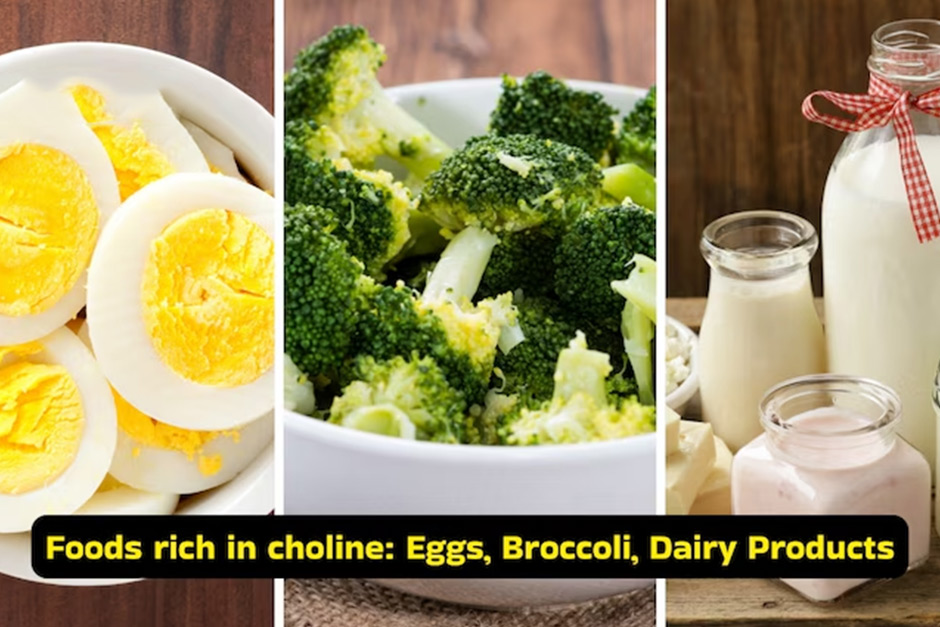
Among the most potent sources of choline are eggs, particularly the yolk. A single large egg can provide a substantial portion of the daily recommended intake, making them an excellent and affordable option for many Indian households. Beyond eggs, animal products like chicken and fish are also significant contributors. Fatty fish such as salmon, mackerel, and even Rohu or Katla, commonly consumed in coastal and eastern parts of India, are not only rich in choline but also beneficial omega-3 fatty acids, further boosting brain health. Organ meats like liver, though not universally popular, are exceptionally high in choline.
For those following vegetarian or vegan diets, or simply looking to diversify their intake, a wealth of plant-based options exists. Soybeans and products derived from them, such as tofu and tempeh, are excellent sources. Legumes like kidney beans (rajma), chickpeas (chana), and lentils (dal) frequently feature in Indian meals and contribute valuable choline. Nuts like peanuts (moongfali) are also beneficial. Furthermore, several common vegetables pack a choline punch: cruciferous vegetables like broccoli and cauliflower, spinach, mushrooms, and potatoes all offer notable amounts. Quinoa, a grain gaining popularity in India, is another plant-based choline source.
Emphasising a diverse and balanced diet is key to ensuring adequate choline intake. As Dr. Rina Sharma, a prominent nutritionist based in Bengaluru, notes, “While supplements exist, the most effective and holistic way to nourish our brains is through whole foods. Nature provides these nutrients in synergy, offering additional benefits that isolated supplements often lack. For choline, a plate rich in eggs, dals, green leafy vegetables, and occasionally fish, forms a strong foundation for cognitive well-being.”
Embracing a Brain-Healthy Lifestyle
While the focus on choline is crucial, it’s important to remember that brain health is multifaceted. Integrating choline-rich foods into your diet should be part of a broader commitment to a brain-healthy lifestyle. This includes regular physical activity, which improves blood flow to the brain; sufficient sleep, vital for memory consolidation and waste removal; and engaging in mentally stimulating activities, which helps build cognitive reserves. Managing stress through practices like yoga and meditation, deeply rooted in Indian culture, also contributes significantly to overall well-being and brain health.
The discovery linking low choline levels to increased Alzheimer’s risk presents a compelling call to action. By consciously choosing choline-rich foods – from the humble egg and everyday dals to nutritious fish and vibrant vegetables – we can take proactive steps to protect our cognitive function and potentially reduce the risk of neurodegenerative diseases. This nutritional awareness, coupled with a healthy lifestyle, offers a beacon of hope in the ongoing fight against Alzheimer’s, empowering individuals to safeguard their most precious asset: their mind.

