


The whispers have grown louder, and now the experts are speaking with a clearer voice: the upcoming weeks could see a significant escalation in flu activity. It’s time to pay attention, because what started as a typical sniffle season might be about to take a sharp turn for the worse. We’ve all grown accustomed to the annual flu dance, but this year, a convergence of factors suggests we might be facing a particularly challenging period.
Why the Forecast is Gloomy
Let’s face it, we’ve all been through a lot with respiratory viruses recently. But public health officials are sounding the alarm for influenza specifically, pointing to several converging factors. One major concern is the potential for new, more aggressive strains gaining traction, or simply the fact that collective immunity might be lower after a few less-intense flu seasons (thanks to other public health measures). We’re also seeing a return to pre-pandemic social patterns, meaning more close contact and more opportunities for viruses to spread.
“We’re observing patterns that suggest we could see a dramatic increase in flu cases very soon,” explains Dr. Anya Sharma, a public health specialist we spoke with. “It’s not just one factor; it’s a perfect storm of reduced population immunity against certain strains, combined with higher rates of social interaction. We’re also keeping a close eye on co-circulation with other common respiratory viruses, which can complicate recovery and put extra strain on individuals and healthcare systems.” This insight underscores the complexity of what’s unfolding, painting a picture that’s more intricate than just a simple spike in infections.
Navigating the Coming Weeks: What You Can Do
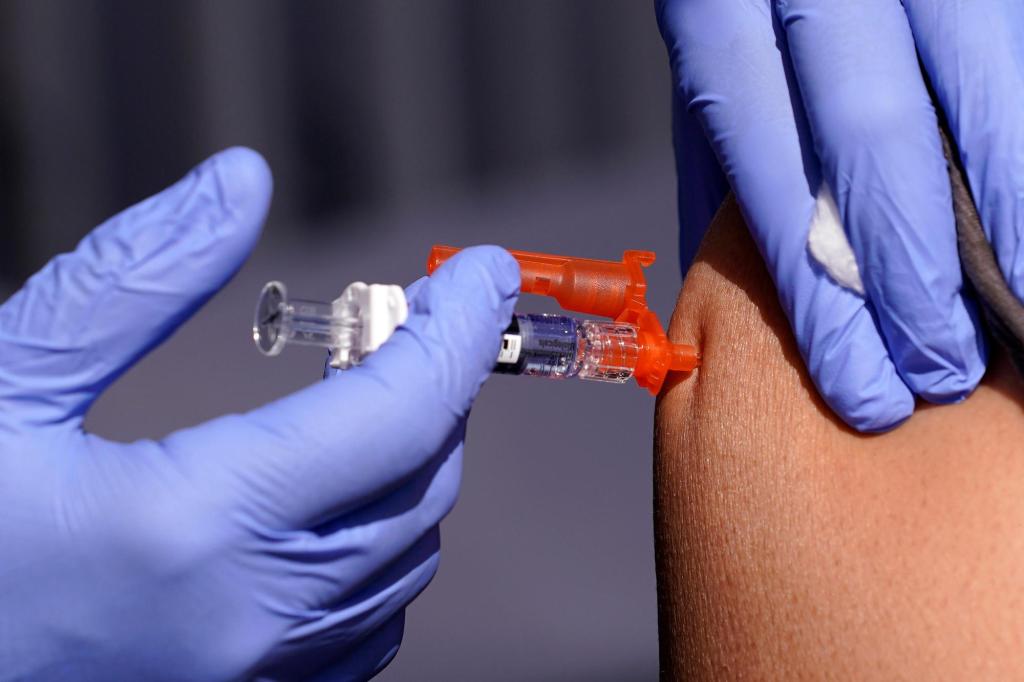
With such a forecast, it’s easy to feel a little overwhelmed. But knowledge is power, and proactive steps can make a real difference, not just for you, but for your community. The core advice remains remarkably consistent: vaccination is your strongest defense. Getting your flu shot now, if you haven’t already, offers crucial protection as the season intensifies. It not only reduces your risk of getting sick but also lessens the severity of illness if you do contract the virus.
Beyond vaccination, basic hygiene practices remain incredibly powerful. Frequent hand washing, covering coughs and sneezes, and avoiding touching your face are simple yet effective barriers against transmission. Perhaps most importantly, if you feel unwell, please stay home. This isn’t just about protecting yourself; it’s a vital act of community responsibility that prevents further spread to vulnerable populations. Our healthcare infrastructure is always stretched during peak seasons, and minimizing transmission helps alleviate that burden. Remember that feeling of unease when a colleague comes in sniffling? Let’s all commit to not being that person.
A Call for Collective Vigilance
The coming weeks are poised to test our collective resilience and our commitment to public health. While the experts’ warnings about a worsening flu season might sound concerning, they are also a timely reminder to act. By embracing preventive measures like vaccination and robust hygiene, and by making responsible choices when we feel ill, we can significantly blunt the impact of what lies ahead. Let’s look out for ourselves, our families, and our wider community. A little vigilance now can prevent a lot of discomfort, and potentially much worse, later.

