


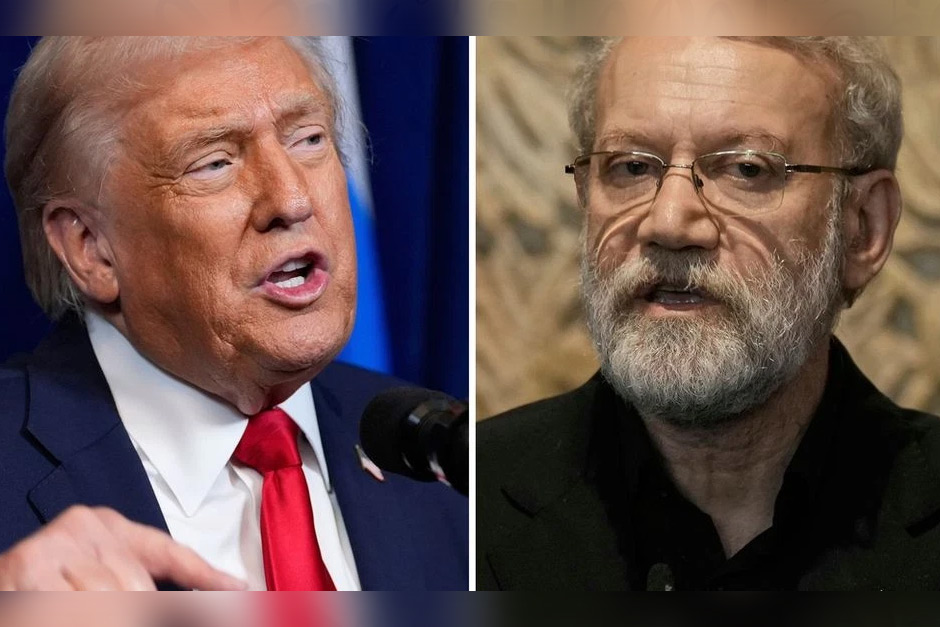
The geopolitical landscape, always prone to seismic shifts, recently reverberated with a potent statement from former US President Donald Trump. In comments that have sent ripples across international capitals, Trump declared the United States would be “locked and loaded” and ready to intervene if the Iranian regime “kills peaceful protesters.” This stark warning, delivered amidst ongoing internal unrest in Iran, not only rekindles memories of a highly confrontational era in US-Iran relations but also prompts crucial questions about sovereignty, international intervention, and the delicate balance of power in the Middle East, with significant implications for global stability and nations like India.
Trump’s Warning: A Resurgent ‘Maximum Pressure’ Rhetoric?
Donald Trump’s statement, delivered at a campaign rally, comes against a backdrop of intermittent but persistent protests within Iran, often sparked by economic hardship, social grievances, and political dissatisfaction. While these demonstrations have been met with varying degrees of state response, Trump’s explicit threat of intervention marks a significant escalation in rhetoric. “If they start killing their peaceful protesters, we’re going to intervene, and we’re going to intervene very strongly,” Trump asserted, implying a direct military or covert response if such a threshold is crossed.
This declaration is reminiscent of the “maximum pressure” campaign that characterised Trump’s presidency, a strategy that saw the US withdraw from the Joint Comprehensive Plan of Action (JCPOA), reimpose crippling sanctions on Iran, and engage in a series of tit-for-tat escalations, including the drone strike that killed Iranian General Qassem Soleimani. While Trump is no longer in office, his potential return to the presidency lends considerable weight to such pronouncements. It serves as a stark reminder of a foreign policy approach that prioritised unilateral action and direct confrontation, raising concerns about the potential for further destabilisation in an already volatile region. The current US administration under President Biden has adopted a more diplomatic, though still firm, approach towards Iran, seeking to revive the nuclear deal and address regional concerns through multilateral engagement. Trump’s interventionist rhetoric, therefore, stands in stark contrast to the existing policy, potentially complicating future diplomatic efforts regardless of who occupies the White House.
Iran’s Internal Dynamics and International Repercussions
Iran has a long history of internal protests, from mass demonstrations against the 2009 presidential election results to more recent widespread anger over fuel price hikes, economic mismanagement, and human rights issues. The Iranian government consistently labels such movements as instigated by foreign adversaries, viewing any external threat of intervention as a direct assault on its sovereignty and an attempt to foment unrest. A statement like Trump’s is likely to be met with fierce condemnation from Tehran, consolidating hardliner positions and potentially leading to an even harsher crackdown on internal dissent, rather than deterring it.
The implications of such a scenario extend far beyond Iran’s borders. An actual US intervention, or even the credible threat of one, would inevitably draw in regional players such as Saudi Arabia, Israel, and other Gulf states, each with their own complex relationships and security concerns vis-à-vis Iran. The Strait of Hormuz, a critical chokepoint for global oil shipments, would immediately become a flashpoint, jeopardising global energy markets. Furthermore, the precedent of intervention in the name of protecting protesters, however morally compelling, raises complex questions under international law regarding non-interference in the internal affairs of sovereign states, potentially inviting similar claims from other powerful nations in different contexts.
India’s Delicate Balancing Act Amidst Geopolitical Volatility
For India, a nation with deep strategic and economic stakes in the Middle East, such developments are viewed with a cautious and pragmatic lens. India has historically maintained cordial relations with Iran, leveraging these ties for energy security – Iran was once a major oil supplier – and for strategic connectivity projects like the Chabahar Port, which offers India a crucial gateway to Afghanistan and Central Asia, bypassing Pakistan.
However, India also enjoys a robust strategic partnership with the United States, a relationship that has deepened significantly in recent decades across defence, trade, and technology. This necessitates a delicate balancing act. While India upholds democratic values and has expressed concerns about human rights globally, its foreign policy is firmly rooted in the principle of non-interference in the internal affairs of other nations. Direct intervention by external powers in Iran would undeniably escalate regional tensions, impacting oil prices, disrupting trade routes, and potentially creating a new refugee crisis – all of which would have significant economic and security repercussions for India.
New Delhi’s approach is likely to be one of quiet diplomacy, advocating for de-escalation, peaceful resolution of disputes, and the protection of human rights through international norms rather than unilateral action. India understands that stability in the Gulf is paramount for its own economic growth and the well-being of its diaspora in the region. The rhetoric from Washington, particularly from a former president with strong chances of re-election, adds another layer of complexity to an already intricate geopolitical chessboard, compelling India to remain vigilant and ready to navigate potential turbulence.
Trump’s “locked and loaded” declaration serves as a potent reminder of the fragility of peace and the ever-present potential for escalation in the Middle East. While the world watches Iran’s internal struggles, the shadow of external intervention looms large, posing profound challenges to international law, regional stability, and the carefully calibrated foreign policies of nations like India.

