


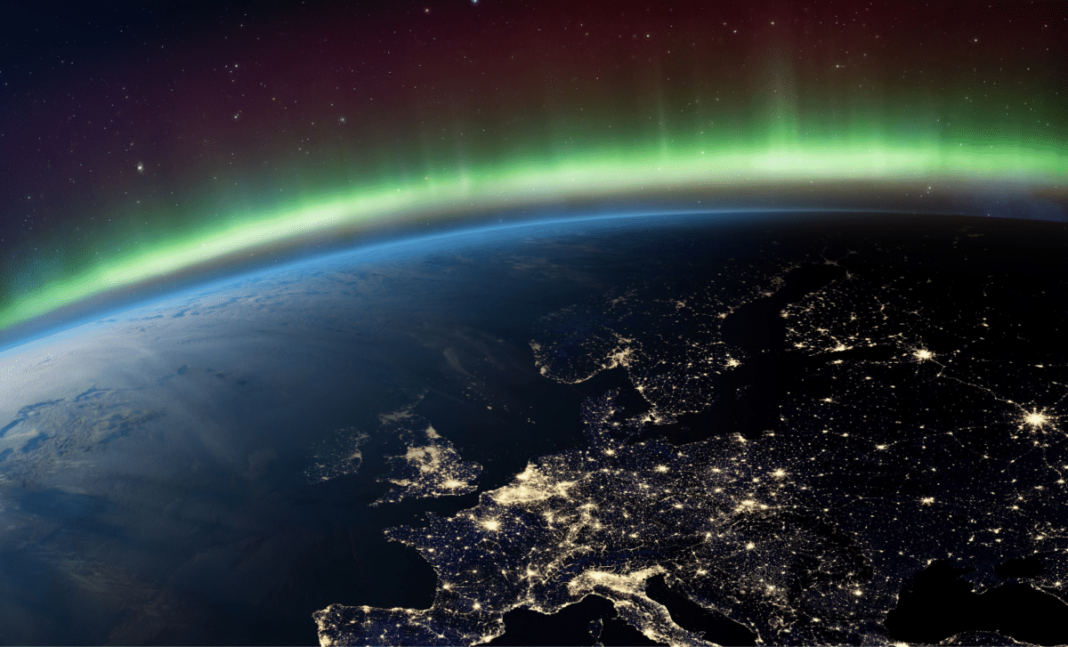
The night sky, a canvas of twinkling stars that has inspired poets and navigators for millennia, is slowly but steadily fading from view for much of humanity. New satellite data reveals a startling truth: Earth’s artificial brightness has surged by an alarming 16% since 2014. This isn’t just about losing the spectacle of the Milky Way; it’s a profound shift with ecological, health, and energy implications that demand immediate attention, particularly in rapidly developing nations like India.
The Global Glow: Unpacking the 16% Surge
The study, leveraging data from the Visible Infrared Imaging Radiometer Suite (VIIRS) on the Suomi NPP satellite, meticulously measured the light emitted from Earth’s surface during nighttime hours. The 16% increase observed between 2014 and 2022 signifies a relentless expansion of artificial light at night (ALAN) across the globe. This phenomenon is largely driven by rapid urbanisation, economic growth, and the widespread adoption of LED lighting technology.
While LEDs are often touted for their energy efficiency, their proliferation has paradoxically contributed to light pollution. They are brighter, cheaper to operate, and thus, more widely installed, frequently in excessive quantities or without proper shielding. This leads to a phenomenon known as “rebound effect” or “take-back effect,” where the efficiency gains are offset by increased usage. The result is a brighter planet, with light escaping upwards into the atmosphere, obscuring celestial bodies, and spilling into natural habitats.
This isn’t merely an aesthetic concern for astronomers. The loss of visible stars impacts cultural heritage globally. For generations, the night sky has been a source of wonder, navigation, and spiritual connection. Its diminishing presence represents a silent but significant erosion of a shared human experience.
India’s Illuminated Ascent: A Double-Edged Sword
India, a nation undergoing unprecedented development and urban expansion, stands at a critical juncture concerning light pollution. Cities are rapidly expanding, new infrastructure projects like expressways and smart cities are being illuminated, and rural areas are gaining access to electrification. While providing safety and fostering economic activity are crucial, the method of illumination often overlooks its broader impact.
The environmental consequences are substantial. Nocturnal animals, from insects and birds to mammals and marine life, rely on natural light-dark cycles for foraging, reproduction, and migration. Artificial light can disorient migratory birds, disrupt the hunting patterns of owls, and prevent sea turtle hatchlings from finding their way to the ocean. In India, coastal regions supporting marine turtle nesting grounds are particularly vulnerable to this disruption.
Beyond wildlife, human health is also at risk. Chronic exposure to artificial light at night can suppress melatonin production, a hormone vital for sleep regulation and immune function. This disruption of the circadian rhythm has been linked to various health issues, including sleep disorders, obesity, depression, and even certain types of cancer. “The unintended consequences of our brightly lit environments are only just beginning to be understood,” says Dr. Priya Sharma, an environmental health researcher. “From disrupted ecosystems to compromised human well-being, the cost of excessive light is far greater than the energy bill.”
Charting a Course for Sustainable Illumination
Addressing light pollution does not mean plunging cities into darkness. Instead, it calls for smarter, more thoughtful lighting design and policies. Several strategies can mitigate the increase in Earth’s brightness:
- Shielding: Directing light downwards where it is needed, rather than allowing it to scatter upwards and sideways. Fully shielded fixtures are crucial.
- Appropriate Brightness: Using only the necessary amount of light for a given task, with dimmers and motion sensors to reduce intensity when not required.
- Colour Temperature: Opting for warmer colour temperatures (e.g., 2700K or less) which emit less blue light. Blue-rich light is more disruptive to wildlife and human circadian rhythms.
- Timers: Turning off lights when not in use, especially after business hours in commercial areas.
India’s ambitious urban development plans offer a unique opportunity to integrate these principles from the outset. Incorporating dark-sky compliant lighting standards into new smart city projects and infrastructure upgrades can set a global example. Public awareness campaigns are also vital to educate citizens and policymakers about the importance of preserving natural darkness.
The 16% increase in Earth’s brightness since 2014 is a stark reminder of humanity’s growing footprint on the planet. While development and progress are essential, they must be pursued with an awareness of their environmental and social ramifications. By adopting responsible lighting practices, India can continue its journey of growth while safeguarding its natural heritage, biodiversity, and the well-being of its citizens.

