


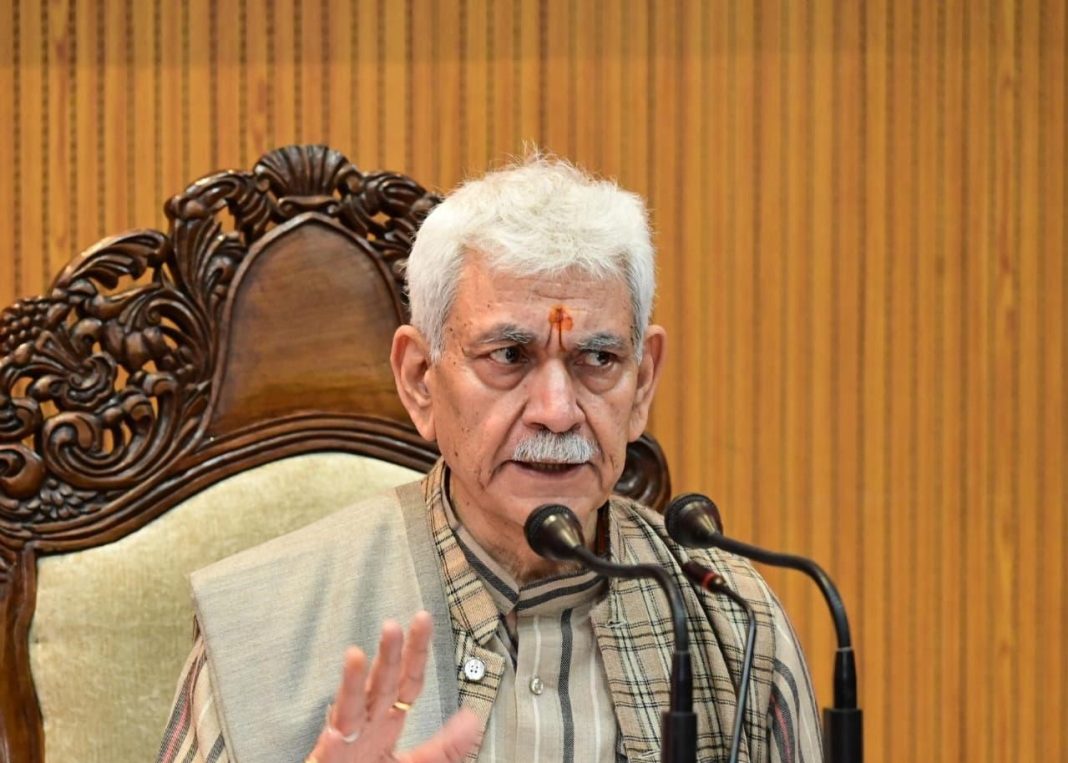
In a significant move aimed at bolstering transparency and accountability in public service, Jammu and Kashmir Lieutenant Governor Manoj Sinha’s administration has terminated the services of 103 employees of the Fire & Emergency Services Department. The drastic action comes after investigations revealed their involvement in a widespread recruitment fraud that occurred during the 2013-14 period. This decision underscores the administration’s firm resolve to dismantle corrupt practices and ensure that only deserving candidates secure positions in government departments.
The Genesis of the Termination: Unearthing Recruitment Fraud
The terminations follow a thorough inquiry into the recruitment process for various posts within the Fire & Emergency Services Department conducted in 2013-14. Investigations brought to light serious irregularities, including manipulation of records, favouritism, and alleged bribery, which compromised the integrity of the selection process. The LG’s administration, upon reviewing the findings, invoked relevant provisions of the Jammu and Kashmir Civil Services (Verification of Character and Antecedents) Instructions, 1997, which empower the government to terminate services of individuals found to have secured employment through fraudulent means or by suppressing material facts.
Sources within the administration indicated that the process for identifying these individuals was meticulous, involving scrutiny of original application forms, selection lists, and cross-referencing with departmental records. The sheer number of employees involved, 103, highlights the systemic nature of the fraud at the time. Many of these individuals had been serving for nearly a decade, raising questions about how such a large-scale irregularity remained undetected or unaddressed for so long. This recent action sends a clear message that the long arm of justice can reach even those who believe they have escaped scrutiny over time, emphasizing a zero-tolerance approach to corruption in public hiring.
LG Sinha’s Unwavering Stance on Accountability and Meritocracy
Lieutenant Governor Manoj Sinha has consistently articulated his administration’s commitment to establishing a governance model based on transparency, merit, and accountability. This latest round of terminations is not an isolated incident but rather a crucial part of a broader anti-corruption drive that has gained significant momentum across Jammu and Kashmir. The administration has, in recent years, taken several decisive steps to cleanse the system, including the dismissal of employees with dubious integrity records, action against officials involved in various corruption scandals, and a renewed focus on ensuring fair and transparent recruitment processes for all government jobs.
The LG’s office has repeatedly stressed that public service is a sacred trust, and those who breach that trust by engaging in corrupt practices will face severe consequences. The emphasis has been on creating a level playing field for all aspirants, ensuring that merit alone is the criterion for selection. This stance is crucial for restoring public faith in government institutions and attracting talented individuals who might otherwise be deterred by the perception of systemic corruption.
Highlighting this commitment, LG Sinha recently stated, “Our administration is unwavering in its resolve to eradicate corruption at all levels. Merit and transparency are non-negotiable pillars of good governance. Any individual who has secured public employment through fraudulent means not only deprives deserving candidates but also undermines the very fabric of our society. Such actions will not be tolerated, irrespective of how long ago they occurred.” This quote perfectly encapsulates the administration’s firm stance and the principle behind these sweeping terminations.
Impact and Future Implications for Governance in J&K
The termination of 103 Fire & Emergency Services Department employees is expected to have a multi-faceted impact. Immediately, it will create vacancies within the department, necessitating a fresh, transparent recruitment drive to fill critical positions. More importantly, it serves as a powerful deterrent to potential wrongdoers and reinforces the message that fraudulent practices will eventually be uncovered and punished. For the morale of honest employees, such actions can be reassuring, demonstrating that integrity is valued and protected within the system.
Beyond the Fire & Emergency Services, this decision sends a ripple effect across all government departments in Jammu and Kashmir. It prompts a re-evaluation of past recruitment processes and encourages vigilance against any signs of corruption. For the common public, it instills a renewed sense of hope that the administration is serious about cleaning up the system and ensuring that public resources, including jobs, are allocated fairly and justly. The long-term implication is the gradual establishment of a more robust, ethical, and merit-based public service machinery in the Union Territory, fostering greater trust between the government and its citizens.
The LG Sinha administration’s bold action against the 103 Fire Department employees over recruitment fraud marks a critical juncture in J&K’s ongoing battle against corruption. It underscores a steadfast commitment to meritocracy and accountability, signaling a future where integrity in public service is paramount. This move is not merely punitive; it is foundational, aiming to rebuild trust and create an equitable environment for all citizens.

