


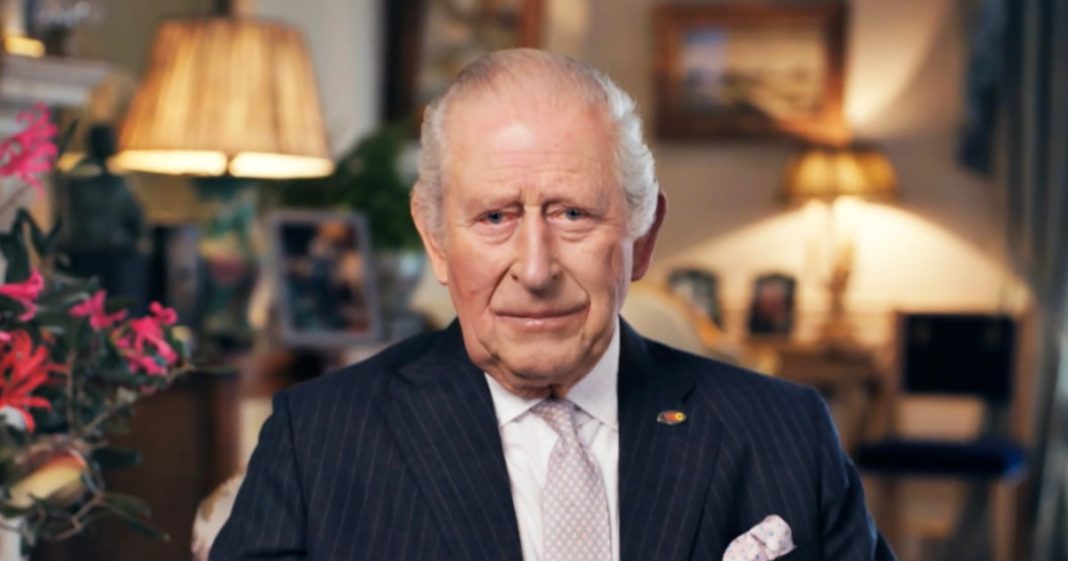
The recent news from Buckingham Palace has brought a collective sigh of relief and, more importantly, a powerful message of hope. King Charles III, whose cancer diagnosis earlier this year garnered global attention, has reportedly begun to ease up on his treatment thanks to the success attributed to an early diagnosis. This development isn’t just personal good news for the monarch; it’s a stark, real-world example of why catching health issues early can make all the difference, transforming a daunting challenge into a manageable one with a brighter outlook.
A Royal Testament to Vigilance
When the initial news of King Charles’s cancer diagnosis broke, it sent ripples of concern worldwide. Details were kept private, as is often the case, but the understanding was clear: a significant health battle lay ahead. Now, to hear that he is well enough to scale back treatments is incredibly encouraging. This rapid and positive turnaround is a powerful testament to the medical team’s expertise, but perhaps even more so, to the critical role of timely intervention. His situation underscores that cancer, while formidable, is not always a guaranteed long, arduous fight, especially when detected in its nascent stages.
The King’s public journey, however private the specifics, inherently shines a spotlight on health awareness. When figures of such prominence share their experiences, it demystifies illness and encourages a broader conversation. It reminds us that health challenges spare no one, but also that proactive health management offers a path toward recovery and quality of life. His experience serves as a powerful, living case study for the profound impact of vigilance.
The Unsung Hero: Early Diagnosis
Why is early diagnosis so profoundly impactful? The answer lies in the very nature of cancer. In its initial stages, many cancers are localized, meaning they haven’t spread to other parts of the body. At this point, tumors are often smaller, making them easier to treat with less aggressive interventions, whether through surgery, targeted radiation, or less intensive chemotherapy regimes. The chances of a complete cure are significantly higher, and the recovery process can be less debilitating.
Conversely, when cancer is detected at a later stage, it may have metastasized – spread to other organs – making treatment far more complex, lengthy, and often focusing on management rather than outright cure. The difference between these two scenarios can be monumental, not just in terms of survival rates but also in the overall quality of life during and after treatment. As Dr. Evelyn Reed, a leading oncologist, often emphasizes, “The best cancer treatment is often the one that starts before the disease has a chance to fully take hold. Early detection isn’t just a medical advantage; it’s a profound gift of time and options.”
Beyond the Headlines: What This Means for Us
King Charles’s encouraging update isn’t just a feel-good story; it’s a clarion call for personal health advocacy. It’s a reminder to listen to our bodies, to attend regular check-ups, and to not postpone screenings that could potentially catch issues before they escalate. Many cancers, like those of the breast, colon, or prostate, have effective screening methods that can detect abnormalities long before symptoms appear. Understanding your family history, being aware of common warning signs, and maintaining open communication with your healthcare provider are vital steps.
His Majesty’s experience offers a beacon of hope, demonstrating that a cancer diagnosis, especially an early one, does not automatically equate to a grim prognosis. Instead, it can be the starting point for effective treatment and a return to good health. It underscores the incredible advancements in modern medicine and the unwavering importance of prevention and early detection in our own lives.

