


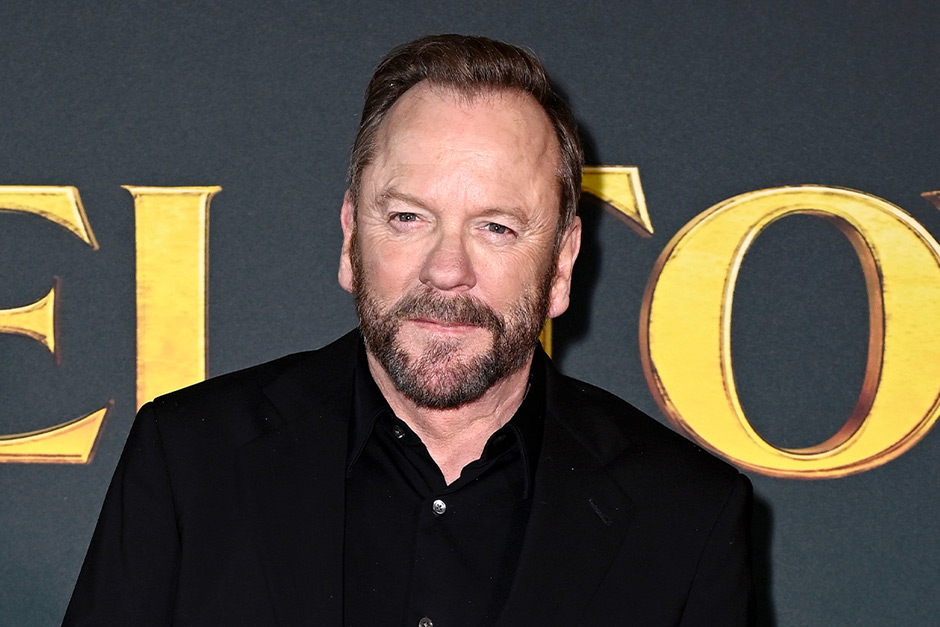
The news hit like a headline from a parallel universe: Kiefer Sutherland, the man who embodied steadfast resilience as Jack Bauer, saving the world minute by minute, was reportedly arrested for assaulting a ride-share driver. It’s a moment that makes you double-take, a jarring collision of the fictional heroes we admire and the messy, unpredictable reality of human behavior.
For fans who’ve watched him navigate impossible odds on screen, the idea of Sutherland, allegedly, losing his composure in such a public and potentially dangerous way feels like a betrayal of the very archetype he so skillfully brought to life. It forces us to confront the often-stark difference between the carefully constructed personas of Hollywood and the raw vulnerability of real people.
The Jack Bauer Paradox: Heroism On Screen, Humanity Off It
Kiefer Sutherland has built a formidable career on playing characters who are tough, resourceful, and often, morally complex, but rarely petty or violent without extreme provocation. His portrayal of Jack Bauer in 24 etched him into the collective consciousness as the ultimate problem-solver, a man capable of incredible self-control and strategic thinking under pressure. Even his roles as charismatic villains often carried a certain panache, a calculated edge rather than impulsive rage.
This incident, if the allegations prove true, paints a different picture entirely. It’s a reminder that even the most accomplished actors, those who master the art of illusion, are ultimately just people, susceptible to the same frustrations, poor judgments, and consequences as anyone else. The weight of public expectation, the pressures of fame, and perhaps underlying personal struggles can sometimes manifest in ways that shatter the carefully curated image. It highlights the inherent paradox of celebrity: we want our stars to be larger than life, yet we are constantly reminded of their very human flaws.
Navigating the Ride-Share Reality
Beyond the celebrity aspect, this incident casts a harsh light on the everyday realities of the gig economy and, specifically, ride-sharing. Millions of drivers nationwide operate in a unique space, offering a convenient service while often feeling exposed and vulnerable. They are, in essence, inviting strangers into their personal vehicles, trusting in the basic civility of their passengers.
An alleged assault on a ride-share driver isn’t just a celebrity misstep; it’s a stark illustration of the potential dangers faced by those simply trying to earn a living. The power dynamic, the isolation of the vehicle, and the varying states of passengers can create volatile situations. As one seasoned ride-share driver, Sarah Jenson, noted recently, “My cousin drives for a living, and honestly, hearing stories like this just makes you wonder how safe these folks really are out there, night after night. They deserve respect, just like anyone else doing their job.” This sentiment underscores a broader societal concern about accountability and safety in an increasingly digitized and depersonalized service industry.
Accountability Beyond the Limelight
Whether it’s a global star or an anonymous individual, an alleged assault carries significant consequences. For Kiefer Sutherland, this incident will undoubtedly trigger a fresh wave of public scrutiny and potential legal ramifications. His career, his public persona, and his personal life will be under the microscope, demanding not just legal defense but also a substantial effort to rebuild trust and respect.
Ultimately, this situation serves as a stark reminder that fame offers no shield from personal accountability. Respect, civility, and self-control are universal requirements, not optional extras for those in the public eye. The integrity of our actions, especially when interacting with those providing essential services, matters immensely. It’s a sobering lesson, pulled not from a script, but from the messy, unfiltered script of real life.

