


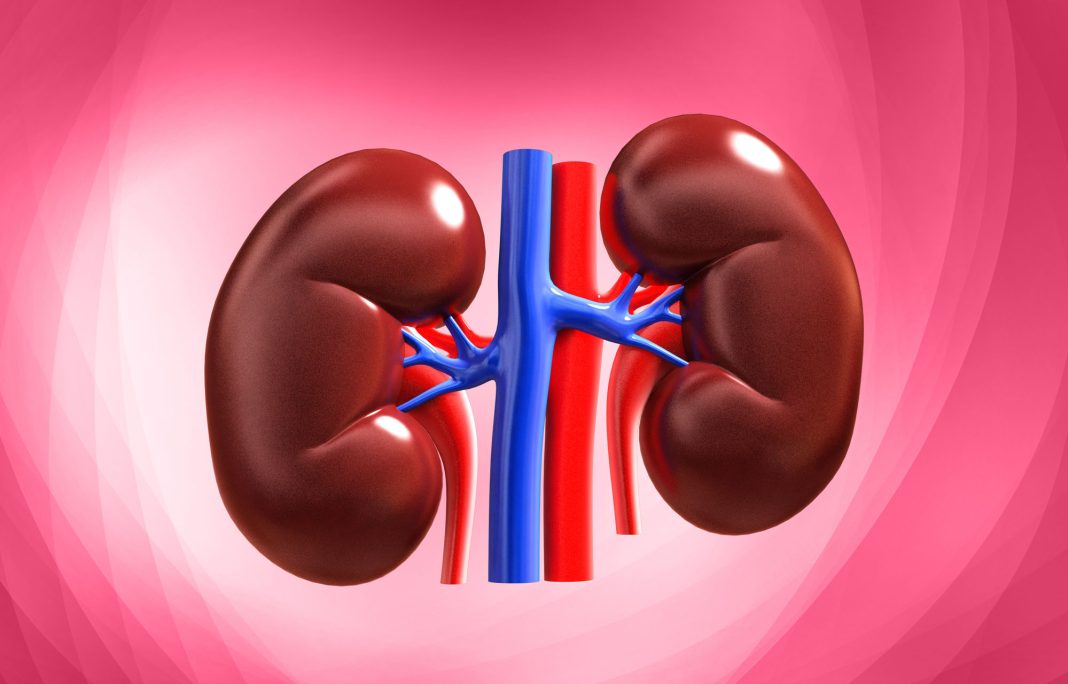
Hyderabad, a vibrant metropolis at the forefront of India’s technological and economic boom, is simultaneously grappling with a silent health concern that routine screenings are now bringing to light. Recent kidney screening initiatives across the city have revealed a worrying trend: a significant rise in risk factors for kidney disease among its populace, underscoring an urgent need for greater public awareness and preventive action.
Once considered a disease predominantly affecting older demographics, kidney ailments are increasingly being detected in younger and middle-aged individuals in Hyderabad. These screenings, often conducted by healthcare organisations, NGOs, and corporate wellness programs, are serving as crucial early warning systems, identifying individuals who are either unaware of their existing kidney issues or are on the verge of developing them due to unmanaged risk factors.
The Unfolding Crisis: Screening Reveals Alarming Trends
The data emerging from various kidney screening camps across Hyderabad paints a concerning picture. A substantial percentage of individuals screened are found to have elevated blood pressure, high blood sugar levels, or abnormal urine reports indicating protein leakage – all red flags for potential kidney damage. What is particularly alarming is that many of these individuals are asymptomatic, meaning they experience no outward signs of distress, making early detection through screening paramount.
For instance, a recent camp organised in a prominent IT corridor reported that over 30% of participants, predominantly young professionals, showed signs of pre-diabetes or hypertension, both leading causes of Chronic Kidney Disease (CKD). A significant portion of these individuals were unaware of their conditions. “The silent nature of kidney disease is its most dangerous aspect,” explains Dr. Rajesh Kumar, a senior nephrologist associated with CARE Hospitals, Hyderabad. “By the time symptoms like swelling, fatigue, or changes in urination become apparent, the disease often progresses to advanced stages, necessitating complex and expensive treatments like dialysis or transplantation. Screenings allow us to intervene much earlier, potentially halting or slowing progression.”
The screenings are also highlighting the prevalence of unhealthy lifestyle indicators such as obesity, sedentary habits, and poor dietary choices, which act as catalysts for these underlying conditions. The fast-paced urban life, coupled with easy access to processed foods high in sodium and sugar, is undeniably contributing to this growing health burden.
Understanding the Drivers: Lifestyle, Diet, and Awareness Gaps
Several factors converge to explain the rising incidence of kidney risk in Hyderabad. The city, like many urban centres in India, has witnessed a significant shift in lifestyle over the past two decades. Sedentary jobs, reliance on vehicle transportation, and a diet increasingly comprising calorie-dense, nutrient-poor fast food have become commonplace. These habits directly fuel the twin epidemics of diabetes and hypertension, which are responsible for the vast majority of CKD cases globally, and Hyderabad is no exception.
Furthermore, a considerable gap in public awareness about kidney health persists. Many individuals do not understand the vital functions of their kidneys or the critical importance of managing blood pressure and sugar levels to protect these organs. There’s also a lack of understanding regarding the early signs of kidney disease, leading to delayed medical attention. The tendency for self-medication, including the unregulated use of over-the-counter pain relievers and certain traditional remedies, can also inadvertently contribute to kidney damage over time, exacerbating the problem.
A Call to Action: Prevention and Early Intervention
The findings from Hyderabad’s kidney screening programs serve as a stark reminder that proactive health management is no longer a luxury but a necessity. The emphasis must now shift towards robust preventive strategies and widespread public health education. This includes promoting healthier dietary habits, encouraging regular physical activity, and advocating for routine health check-ups, especially for individuals with a family history of kidney disease, diabetes, or hypertension.
Both government bodies and private healthcare providers have a crucial role to play in expanding accessible, affordable screening facilities. These initiatives can empower individuals with the knowledge to take charge of their kidney health before irreversible damage occurs. Early detection not only improves patient outcomes but also significantly reduces the long-term healthcare costs associated with managing advanced kidney disease. The collective effort of individuals, families, communities, and health policymakers is essential to stem this tide and ensure a healthier future for Hyderabad.
The burgeoning data from Hyderabad’s kidney screenings is a wakeup call, signalling a critical juncture in the city’s public health narrative. Addressing this silent epidemic requires sustained commitment to awareness, prevention, and timely intervention, transforming the city’s proactive screening efforts into a cornerstone of its health strategy.

