


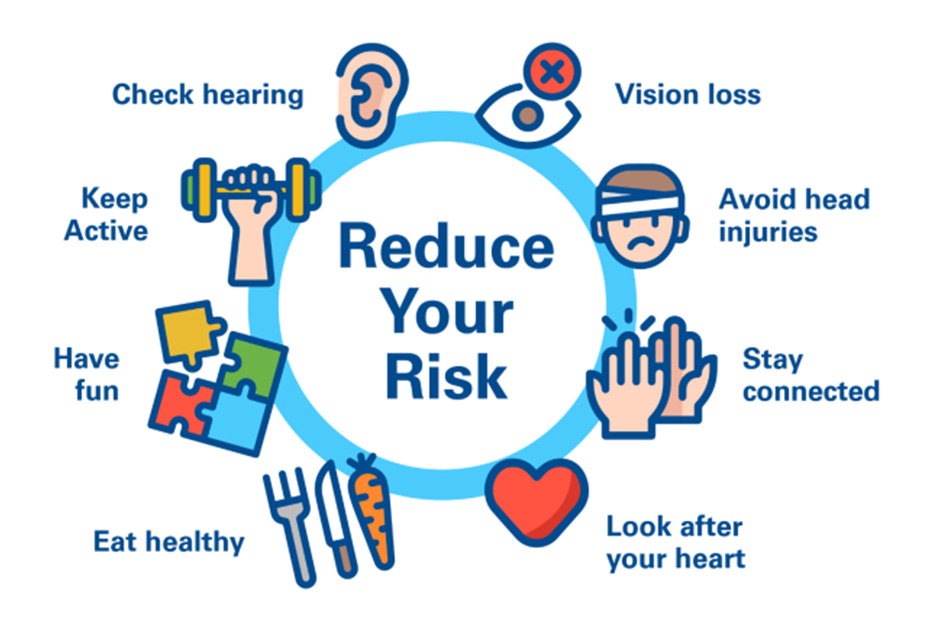
Dementia, a condition characterized by a decline in cognitive function severe enough to interfere with daily life, is a growing global health challenge. In India, with its rapidly aging population, the prevalence of dementia is projected to rise significantly in the coming decades. While some risk factors for dementia, like age and genetics, are non-modifiable, a substantial portion are indeed within our control. Understanding and acting upon these modifiable factors can empower individuals and communities to significantly reduce their risk, fostering healthier, more vibrant futures.
Embracing a Brain-Healthy Lifestyle
The foundation of dementia risk reduction lies in our daily lifestyle choices. Physical activity is paramount. Regular exercise, whether it’s a brisk walk, a session of yoga, or traditional Indian games, enhances blood flow to the brain, supports the growth of new brain cells, and reduces inflammation. Aiming for at least 150 minutes of moderate-intensity aerobic activity per week can make a substantial difference. Similarly, a mindful diet plays a critical role. While often associated with Western models, a brain-healthy diet aligns well with traditional Indian eating patterns – rich in fruits, vegetables, whole grains (like millets and jowar), legumes (dals), nuts, and spices like turmeric, known for its anti-inflammatory properties. Limiting processed foods, excessive sugar, and unhealthy fats is equally vital. Adequate and restorative sleep, typically 7-9 hours per night, allows the brain to clear metabolic waste and consolidate memories, making it an indispensable component of cognitive health.
Nurturing the Mind and Social Connections
Our brains thrive on challenges and connections. Engaging in activities that stimulate cognitive function can help build cognitive reserve, essentially strengthening the brain’s ability to cope with age-related changes. This could involve learning a new language, mastering a musical instrument, solving puzzles, reading diverse literature, or even picking up a new craft. The key is to consistently challenge your brain with novel experiences. Equally important are strong social connections. India’s rich cultural fabric, with its emphasis on family, community, and social gatherings, offers a natural advantage here. Regular interaction with friends, family, and community groups can reduce feelings of isolation and depression, both of which are linked to an increased risk of dementia. Participation in religious activities, volunteering, or simply engaging in meaningful conversations can all contribute to a robust social network that acts as a protective factor for brain health.
“Dementia prevention is not a singular action, but a lifelong commitment to holistic well-being. It’s about nurturing our bodies, stimulating our minds, and cherishing our social bonds, which are deeply ingrained in the Indian ethos,” says Dr. Kavita Sharma, a renowned neurologist from Mumbai. “The power to reduce risk lies in our everyday choices.”
Managing Vascular and Metabolic Health
Conditions that affect heart health also significantly impact brain health. High blood pressure (hypertension), diabetes, and high cholesterol are major risk factors for vascular dementia and can also contribute to Alzheimer’s disease. In India, where the prevalence of these metabolic disorders is alarmingly high, proactive management is crucial. Regular health check-ups are essential for early detection and intervention. Adhering to prescribed medications, adopting a heart-healthy diet, maintaining a healthy weight, and avoiding smoking are critical steps. Smoking damages blood vessels throughout the body, including the brain, while excessive alcohol consumption can also negatively affect cognitive function. Taking control of these vascular and metabolic factors not only protects your heart but also provides a robust shield for your brain against dementia.
Reducing the risk of dementia is a journey, not a destination. It involves a continuous commitment to a brain-healthy lifestyle encompassing physical activity, nutritious eating, adequate sleep, cognitive stimulation, and strong social ties, alongside vigilant management of vascular and metabolic health. By embracing these modifiable risk factors, individuals in India can take powerful steps towards safeguarding their cognitive vitality, ensuring a future where minds remain sharp and spirits remain vibrant.

