


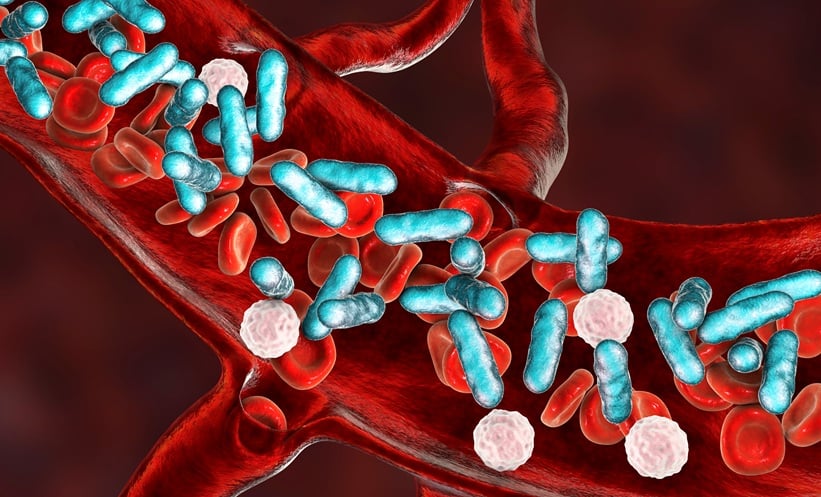
Septic shock, a life-threatening condition arising from an overwhelming response to an infection, continues to be a formidable challenge for healthcare systems worldwide, including India. Characterized by severe hypotension and organ dysfunction, it carries a high mortality rate, often exceeding 30-50%. The ability to accurately identify patients at the highest risk of death could revolutionize treatment strategies, allowing for earlier, more aggressive interventions and potentially saving countless lives. Recent advancements in medical research have shed light on key predictors that can signal a worsening prognosis, offering a crucial window for timely action.
Understanding the Silent Threat of Septic Shock
Sepsis, the precursor to septic shock, is triggered when the body’s immune system overreacts to an infection, causing widespread inflammation and damage to its own tissues and organs. When this cascade leads to dangerously low blood pressure and organ failure despite fluid resuscitation, it progresses to septic shock. In India, with its vast population and varying levels of healthcare access, the burden of infectious diseases means sepsis and septic shock are particularly prevalent. Delays in diagnosis and treatment, often due to lack of awareness, resource constraints, or the sheer volume of patients, contribute significantly to poor outcomes.
The complexity of septic shock lies in its highly individualized presentation and progression. What might be a mild infection for one person can rapidly escalate to a critical state for another. This variability underscores the importance of identifying reliable markers that can predict a patient’s trajectory, moving beyond mere diagnosis to prognostic assessment. Such insights are vital for optimizing care in intensive care units (ICUs) where resources are often stretched thin.
Unveiling Key Predictors for Mortality Risk
Emerging research points to a combination of clinical, biochemical, and physiological parameters that act as strong indicators of mortality in septic shock. While individual markers have long been studied, the power lies in their synergistic interpretation. Among the most critical predictors identified are:
- Persistent Lactate Levels: Elevated blood lactate, reflecting cellular hypoxia and impaired metabolism, is a well-established marker. Studies show that persistently high or rising lactate levels despite initial resuscitation efforts are strongly associated with increased mortality. It indicates ongoing tissue hypoperfusion and metabolic distress that the body is struggling to overcome.
- Vasopressor Dependence and Dose: Patients requiring high doses of vasopressor medications (like norepinephrine) to maintain blood pressure, especially those with increasing requirements, face a significantly higher risk of death. It signifies a profound circulatory collapse that is difficult to reverse.
- Organ Dysfunction Scores: Tools like the Sequential Organ Failure Assessment (SOFA) score, which assesses the function of six different organ systems (respiratory, cardiovascular, hepatic, coagulation, renal, neurological), are invaluable. A high or rapidly increasing SOFA score indicates multi-organ failure, a critical predictor of poor prognosis.
- Age and Comorbidities: Elderly patients and those with significant underlying health conditions such as diabetes, chronic kidney disease, or heart failure are inherently more vulnerable to the severe effects of septic shock and have a higher mortality risk. Their physiological reserve is often diminished, making recovery more challenging.
Dr. Ananya Sharma, a leading intensivist at Apollo Hospitals, Mumbai, emphasizes the practical implications: “Identifying these predictors early allows us to stratify risk. It’s not just about knowing who is sick, but knowing who is in gravest danger. This knowledge empowers us to escalate care, consider advanced therapies, or engage in crucial end-of-life discussions with families sooner, aligning care with patient wishes.”
Implications for Indian Healthcare and Beyond
The identification of these key predictors holds profound implications for the Indian healthcare landscape. Given the diverse nature of medical facilities, from well-equipped metropolitan hospitals to rural health centers with limited resources, easily identifiable and relatively inexpensive markers are crucial. Lactate measurements, for instance, are becoming more accessible, and clinical assessment of vasopressor needs and organ function are standard ICU practices.
By integrating these predictors into standardized protocols, Indian hospitals can enhance their ability to triage patients, optimize resource allocation, and improve patient outcomes. This could lead to a more targeted approach, ensuring that patients most at risk receive the most aggressive and timely interventions. Furthermore, this knowledge can inform training programs for medical professionals, fostering a greater awareness of early warning signs and promoting proactive management strategies.
While the insights are significant, challenges remain in universal implementation. Ensuring consistent monitoring, clinician education, and the availability of necessary diagnostic tools across all healthcare settings will be paramount. Nevertheless, this research represents a vital step forward in the fight against septic shock, offering a renewed hope for reducing its devastating impact on lives and families across India.

